Cómo funcionan las carreras con parrilla invertida—y por qué crean mejores pilotos

En el automovilismo, el éxito no solo se trata de velocidad; también se trata de estrategia, adaptabilidad y habilidades que se demuestran en tiempo real. Uno de los formatos de carrera que ha ganado popularidad en los últimos años es la carrera con parrilla invertida. Especialmente en campeonatos como Eurocup-3, este formato no solo añade emoción, sino que también es una herramienta clave para desarrollar pilotos más completos. En este artículo, te explicamos cómo funcionan las carreras con parrilla invertida y por qué son esenciales para formar mejores pilotos.

1. ¿Qué es una carrera con parrilla invertida?

En una carrera tradicional, la parrilla de salida se determina según los resultados de las sesiones de clasificación, con el piloto más rápido en la parte delantera. Sin embargo, en una carrera con parrilla invertida, el orden se invierte. El piloto que termina último en la carrera anterior comienza en la pole, mientras que el ganador comienza al final de la parrilla. Esto crea una combinación interesante de desafíos tanto para los pilotos rápidos como para los que empiezan desde atrás, obligándolos a demostrar diferentes habilidades.

En Eurocup-3, las carreras con parrilla invertida se implementan a menudo en las rondas 2 y 3, donde los 8 primeros pilotos se invierten. Esto añade una capa extra de emoción e imprevisibilidad, especialmente en las carreras sprint, donde la estrategia, los adelantamientos rápidos y la gestión de los neumáticos son claves.

2. Por qué las carreras con parrilla invertida benefician a los pilotos

Las carreras con parrilla invertida no son solo un espectáculo; son una poderosa herramienta para el desarrollo de los pilotos. Aquí te explicamos por qué:

a) Promoviendo la adaptabilidad

En una carrera tradicional, los pilotos suelen comenzar en la parte delantera, enfocándose principalmente en mantener o mejorar su posición. Sin embargo, en las carreras con parrilla invertida, los pilotos comienzan en la parte trasera, lo que los obliga a avanzar a través del tráfico. Esto requiere tomar decisiones rápidas, adaptarse a diferentes condiciones de carrera y dominar los adelantamientos—habilidades esenciales para el crecimiento de cualquier piloto. Al competir en carreras con parrilla invertida, los pilotos de Eurocup-3 aprenden a manejar diversas situaciones, preparándolos para desafíos más complejos en niveles superiores del automovilismo.

b) Pensamiento estratégico y toma de decisiones

Las carreras con parrilla invertida ponen a los pilotos en una posición donde sus decisiones importan aún más. Los pilotos deben pensar a largo plazo, anticipar las acciones de sus competidores y tomar riesgos calculados. Esto les enseña a ser más estratégicos, equilibrando la necesidad de velocidad con la importancia de la posición y la técnica de carrera. Para los jóvenes pilotos de Eurocup-3, este formato es una oportunidad valiosa para afinar su capacidad de tomar decisiones, una habilidad que será fundamental cuando avancen a categorías más competitivas como la Fórmula 3.

c) Mejorando la técnica de carrera y las habilidades de adelantamiento

El adelantamiento es una de las habilidades más críticas para un piloto, y las carreras con parrilla invertida ponen esta habilidad a prueba. Al comenzar desde atrás, los pilotos deben realizar adelantamientos rápidos y limpios, a menudo en situaciones difíciles. Esto les ayuda a mejorar su técnica de carrera—saber cuándo y cómo adelantar sin arriesgarse a un choque o al desgaste de los neumáticos. Al participar regularmente en carreras con parrilla invertida, los pilotos de Eurocup-3 mejoran estas habilidades cruciales, lo que les da una ventaja clara a medida que suben en el escalafón del automovilismo.

3. Impacto en los resultados del campeonato

Las carreras con parrilla invertida no solo afectan el desarrollo de los pilotos individuales, sino también la dinámica general del campeonato. Con pilotos comenzando desde diferentes posiciones en la parrilla, cada carrera se vuelve más impredecible, haciendo que sea más difícil predecir al ganador. Esto crea un campeonato mucho más emocionante para los aficionados y añade un nivel de incertidumbre que beneficia tanto a los equipos como a los patrocinadores. Por ejemplo, en Eurocup-3, la variedad de resultados debido a las carreras con parrilla invertida mantiene a los fans al borde de sus asientos, ya que cada carrera puede producir diferentes podios.

4. Fomentando un campo competitivo

Al dar a todos los pilotos, sin importar su rendimiento en la carrera anterior, la oportunidad de brillar, las carreras con parrilla invertida nivelan el campo de juego. Esto ayuda a mantener la competencia cerrada, dándole a los pilotos menos experimentados la oportunidad de correr en las primeras posiciones y ganar puntos valiosos. En Eurocup-3, este formato fomenta un nivel de competencia saludable, donde los pilotos tienen la oportunidad de mostrar su talento y potencial en diversas condiciones, lo que mejora aún más su confianza y habilidades.

5. Mejor preparación para futuros desafíos

Una de las principales razones por las que las carreras con parrilla invertida son tan efectivas para formar mejores pilotos es la diversidad de habilidades que requieren. Estas carreras preparan a los pilotos para futuros desafíos en el automovilismo al obligarlos a adaptarse a condiciones cambiantes, ejecutar movimientos arriesgados y competir bajo presión. En Eurocup-3, donde muchos de los pilotos aspiran a llegar a niveles más altos del automovilismo, esta experiencia es invaluable. Los pilotos que sobresalen en las carreras con parrilla invertida están mejor preparados para los desafíos que enfrentarán en la Fórmula 3, la Fórmula 2 e incluso en la Fórmula 1.

Las carreras con parrilla invertida son mucho más que un formato emocionante; son una parte vital del desarrollo de los pilotos. En Eurocup-3, estas carreras ayudan a los jóvenes pilotos a mejorar su adaptabilidad, técnica de carrera, pensamiento estratégico y habilidades de adelantamiento—habilidades cruciales para su éxito futuro en el automovilismo. A medida que continúan participando en carreras con parrilla invertida, los pilotos no solo se convierten en mejores competidores, sino que también desarrollan las cualidades que los ayudarán a llegar a la cima del automovilismo. Así que, la próxima vez que veas una carrera con parrilla invertida, recuerda: no se trata solo de quién cruza la meta en primer lugar, sino de cómo cada piloto crece en el camino.

Cómo Eurocup-3 prepara a los pilotos para las exigencias de la F3 y más allá

Cuando se trata de escalar en el mundo del motorsport, pocas categorías conectan tan eficazmente la brecha entre la Fórmula 4 y la Fórmula 3 como Eurocup-3. Concebida como un campeonato que combina excelencia técnica, competitividad internacional y formación de pilotos, Eurocup-3 se ha consolidado como una auténtica plataforma de lanzamiento para las futuras estrellas de la Fórmula.

1. El paso esencial entre la F4 y la F3

Tras dominar las bases en la F4, los jóvenes pilotos se enfrentan a una transición crucial: adaptarse a coches más rápidos, con mayor carga aerodinámica y un análisis de datos mucho más complejo. Eurocup-3 ofrece el entorno perfecto para dar ese salto, combinando la accesibilidad de la F4 con la estructura profesional y el rigor técnico de la F3.

El formato del campeonato refleja el de categorías superiores: múltiples carreras por fin de semana, telemetría avanzada y circuitos internacionales de primer nivel como Spa-Francorchamps, Red Bull Ring o Monza. Cada evento está diseñado para replicar la intensidad y la presión que los pilotos encontrarán posteriormente en la Fórmula 3 de la FIA.

2. Preparación técnica al nivel superior

Eurocup-3 no es solo velocidad — es una escuela técnica para los profesionales del futuro. En 2026, la serie dará un gran salto adelante con chasis Dallara y motores TOM’S, igualando los estándares de ingeniería de las categorías más prestigiosas del mundo.

Estas mejoras permiten que los pilotos aprendan a gestionar el rendimiento, la degradación de los neumáticos y la eficiencia aerodinámica a un nivel casi idéntico al de la F3. Trabajando junto a ingenieros, entrenadores y analistas de datos, los participantes desarrollan habilidades que van mucho más allá del volante — las mismas que se exigen en las categorías élite.

3. Un campeonato que forma campeones

Los resultados hablan por sí solos. En solo dos temporadas completadas, Eurocup-3 ha visto a varios de sus pilotos ascender a la FIA F3 y a otros campeonatos de alto perfil, validando su papel como un camino creíble y probado hacia la Fórmula 1.

La visión del campeonato — reflejada en su lema “Where Legends Are Born” — resume su misión: identificar, preparar y proyectar el talento emergente. Cada vuelta cuenta, y cada piloto tiene la oportunidad de demostrar que está listo para el siguiente nivel.

4. Exposición internacional y visibilidad mediática

Compitiendo por toda Europa, Eurocup-3 ofrece exposición global a equipos, patrocinadores y medios. El streaming en directo, las activaciones en circuito y la narrativa digital de alta calidad ayudan a los pilotos a construir su marca personal desde una etapa temprana, una habilidad tan valiosa como el rendimiento en pista en el ecosistema actual del motorsport.

Eurocup-3 amplifica la visibilidad de cada piloto, ayudándoles a atraer nuevas oportunidades y patrocinadores, al tiempo que conecta con los fans de todo el mundo.

5. El camino hacia el futuro: innovación y oportunidad

A medida que la serie evoluciona, Eurocup-3 continúa empujando los límites de la innovación, alineándose con socios como Dallara, TOM’S y Engiser 101 para ofrecer tecnología y rendimiento de primer nivel. El resultado es una categoría que no solo prepara a los pilotos para la F3 — redefine lo que significa la formación en el automovilismo moderno.

Eurocup-3 es mucho más que un campeonato. Es un campo de pruebas para el talento futuro de la F1, una plataforma donde la precisión técnica se encuentra con la ambición humana. Al ofrecer la combinación perfecta de excelencia técnica, accesibilidad y proyección, garantiza que cuando sus pilotos lleguen a la F3 — no solo estén listos para competir.

Por qué la Eurocup-3 es imprescindible para cazatalentos y fans del motorsport

En Eurocup-3 siempre hemos creído que las categorías júnior del automovilismo merecen más que ser solo una escuela: necesitan una plataforma para brillar. Eso es exactamente lo que representa nuestro campeonato: un trampolín para las estrellas del futuro y la mejor ventana para quienes buscan descubrir el talento que dominará las pistas en los próximos años.

A las puertas de nuestra temporada más ambiciosa hasta la fecha, aquí van las razones por las que Eurocup-3 está captando la atención de equipos, ojeadores y aficionados al automovilismo de todo el mundo.

La era de los rookies ha comenzado

Una de las tendencias más impactantes de 2025 es clara: los rookies no vienen solo a aprender, vienen a ganar.

Más de la mitad del Top 10 del campeonato son debutantes. Nombres como Ernesto Rivera, Mattia Colnaghi y el vigente campeón Christian Ho están redefiniendo lo que significa ser “rookie”, sumando poles, victorias y actuaciones contundentes desde sus primeras carreras.

Su éxito demuestra que la Eurocup-3 no es solo un terreno de aprendizaje, sino el escenario ideal para que los jóvenes pilotos demuestren su valor desde el primer día.

Un desafío internacional con circuitos de primer nivel

En 2025, la Eurocup-3 regresa con un calendario verdaderamente internacional, visitando algunos de los circuitos más icónicos de Europa: Spa-Francorchamps, Monza, MotorLand Aragón y muchos más.

Esta variedad obliga a los pilotos a adaptarse a superficies, climas y trazados distintos, desarrollando la versatilidad y la resiliencia necesarias para categorías superiores como F3 o F2.

Para los cazatalentos, es el entorno perfecto para medir la consistencia, capacidad de adaptación y temple de los pilotos bajo presión.

Motores TOM’S y alianza con Dallara: arranca una nueva era

Esta temporada, la Eurocup-3 inaugura una nueva etapa de excelencia técnica y rendimiento.

Presentamos los motores TOM’S, una de las firmas más respetadas de la ingeniería japonesa, que llega a la escena europea de la mano de Eurocup-3. Unido a la alianza continua con Dallara, el resultado es el paquete más avanzado para el desarrollo de monoplazas en categorías de formación.

Para los pilotos, significa competir en condiciones al nivel más alto del motorsport.
Para equipos y ojeadores, supone una referencia clara para medir el talento frente a los estándares de élite.

Automovilismo en estado puro, cada fin de semana

El formato Eurocup-3 no deja espacio para las zonas de confort.

Con regulaciones técnicas estrictas, puntuales carreras sprint con parrilla invertida y máxima igualdad, cada sesión cuenta. Los pilotos luchan por cada décima, cada posición y cada punto. Aquí no hay fines de semana fáciles, y eso es precisamente lo que lo hace grande.

Ya sea un adelantamiento en la última vuelta o una pole bajo presión, aquí descubrimos quién está realmente listo para el siguiente nivel.

El futuro empieza aquí

Eurocup-3 no es un ensayo general: es un campeonato con entidad propia.
Seguimos subiendo el listón dentro y fuera de la pista, invitando a ojeadores, fans y partners a formar parte de la próxima generación del motorsport.

El futuro ya está aquí. Ven a verlo en directo.

El clima lo cambia todo: lluvia, viento y estrategia en las carreras

En Eurocup-3, cada curva, cada adelantamiento y cada décima de segundo cuentan. Pero cuando el clima entra en juego, todo puede cambiar. La lluvia, el viento y las condiciones cambiantes del circuito no solo afectan el rendimiento de los monoplazas, sino que exigen a los pilotos y equipos una lectura estratégica impecable. ¿Cómo influye el clima en el resultado de una carrera? Vamos a descubrirlo.

1. La lluvia: el gran igualador

Cuando empieza a llover, la pista se convierte en un terreno completamente distinto. Las frenadas son más largas, el agarre se reduce drásticamente y la visibilidad se complica. Para los rookies, puede ser una pesadilla. Para los más experimentados, una oportunidad. Los neumáticos de lluvia entran en escena, y la clave está en la gestión del aquaplaning y en mantener la temperatura adecuada. Las carreras con lluvia tienden a dar lugar a sorpresas: pilotos que arriesgan ganan posiciones, mientras que los errores se pagan muy caros.

2. El viento: enemigo invisible

No se ve, pero se siente. El viento lateral puede desestabilizar un coche en plena recta o cambiar el comportamiento en curvas de alta velocidad. En Eurocup-3, donde la aerodinámica marca diferencias, las ráfagas pueden alterar la carga sobre el alerón delantero o trasero, afectando la estabilidad. Los ingenieros deben ajustar los reglajes y los pilotos adaptar su trazada.

3. Temperatura del asfalto: clave para la estrategia de neumáticos

Una pista fría reduce el grip. Una pista demasiado caliente puede destruir los neumáticos. Cada equipo monitoriza constantemente la temperatura del asfalto para decidir con precisión cuándo atacar o conservar. El overheating puede provocar pérdida de rendimiento, mientras que una buena gestión térmica puede ser la diferencia entre subir al podio o quedarse fuera de los puntos.

4. Eurocup-3 y las carreras más impredecibles

A lo largo de las temporadas, hemos vivido auténticos desafíos climáticos: lluvia inesperada en Spa, viento traicionero en Monza o calor extremo en Jerez. Cada circuito tiene su propia “personalidad meteorológica” y los equipos lo saben. En 2025, los pilotos se enfrentan a una de las temporadas más abiertas de la historia y el clima jugará un papel protagonista.

📍 Consejo para fans: si vas a seguir una carrera en directo, revisa el parte meteorológico. En Eurocup-3, el clima no es un detalle, es parte de la batalla. Y cuando las nubes se oscurecen, es cuando los verdaderos talentos brillan.

Sustainability in Motorsport: Initiatives and Challenges

Motorsport has long been associated with speed, high-performance engineering, and cutting-edge technology. However, the industry has faced increasing pressure to address its environmental impact in recent years. As a sport that requires significant energy consumption, both on and off the track, motorsport has had to rethink its approach to sustainability. This shift is especially evident in F1, the pinnacle of motorsport, which has introduced several initiatives aimed at reducing its carbon footprint while maintaining its thrilling nature.

F1’s Push for Sustainability

In 2019, F1 announced an ambitious sustainability plan, aiming to become a net-zero carbon sport by 2030. This initiative marked a turning point for the championship, with a focus on both the race cars and the logistics involved in transporting teams, equipment, and staff across the globe.

One of the most significant advancements is the development of hybrid engines, which have been part of F1 since 2014. These power units combine an internal combustion engine with electric motors, making them far more efficient than their predecessors. In 2026, F1 plans to introduce a new generation of engines that will run on 100% sustainable fuels, further reducing the sport’s reliance on fossil fuels.

Another critical area of focus is reducing the carbon footprint associated with F1’s global operations. Transporting race cars, teams, and equipment across multiple continents contributes significantly to emissions. To address this, F1 has been working with logistics partners to optimize transportation routes and reduce unnecessary freight. Teams are also encouraged to adopt more sustainable practices in their operations, such as using renewable energy sources in their factories and at race venues.

Beyond the technical and operational changes, F1 has embraced sustainability in its fan engagement. The sport has begun incorporating initiatives such as carbon offset programs, encouraging fans to take more environmentally friendly transportation options when attending races and reducing plastic waste at events.

The Role of Drivers: Sebastian Vettel’s Leadership

While the F1 organization has spearheaded these sustainability efforts, drivers have also played a crucial role in advocating for a greener future for motorsport. One of the most vocal figures in this regard has been four-time world champion Sebastian Vettel.
Over the last few years of his career, Vettel has become a passionate advocate for environmental issues, often using his platform to raise awareness about the importance of sustainability.

Vettel’s actions off the track have been just as impactful as his performances on it. He has participated in various environmental initiatives, including beach clean-ups and promoting biodiversity. He also converted his race helmet into a symbol of environmental activism, displaying messages advocating for climate action and sustainability.

In addition to his environmental advocacy, Vettel has spoken out about the need for the sport to lead by example. He believes that motorsport, with its global reach and technological expertise, is uniquely positioned to drive innovation in sustainable practices. His commitment to these values earned him widespread respect within and beyond the motorsport community.

Expanding Efforts to Feeder Series

Sustainability efforts are not exclusive to F1. Feeder series, such as Formula 2, Formula 3, Eurocup-3, and the F4 Spanish Championship, are also aligning with environmental goals to ensure that sustainability practices are ingrained in future motorsport talent.
These categories are exploring greener technologies, sustainable fuels, and carbon footprint measurement. The Real Federación Española de Automovilismo (RFEDA), in particular, launched a Decarbonization Plan for 2023-2030 to support events like the Spanish Karting Championship, the Spanish Alternative Energies Championship, Eurocup-3, and F4 Spanish Championship in their journey to reduce emissions and adopt sustainable practices. Supported by NTT Data and RACE, this initiative aligns motorsport with the UN’s Sustainable Development Goals, reinforcing RFEDA’s commitment to a more sustainable future in racing.

Challenges Ahead

Despite the positive momentum, the road to making motorsport truly sustainable remains challenging. The nature of the sport, with its reliance on high-speed vehicles and frequent global travel, poses significant obstacles. Developing fully sustainable technologies for race cars that maintain their competitive edge will require continued investment in research and innovation.

Furthermore, aligning the sport’s sustainability goals with the commercial interests of teams, sponsors, and race organizers presents its own set of challenges. Achieving carbon neutrality will require collaboration across all levels of the sport, from the governing bodies to the fans themselves.

Conclusion

The journey towards a more sustainable motorsport industry is complex, but the progress made by F1, RFEDA’s initiatives in feeder series, and the leadership shown by figures like Sebastian Vettel offer hope. By embracing hybrid technology, committing to 100% sustainable fuels, and implementing carbon reduction strategies, motorsport is gradually shifting towards a greener future. As the sport continues to evolve, its ability to balance performance with environmental responsibility will define its legacy in the fight against climate change.

Motorsport may have started as a celebration of speed and engineering, but in the 21st century, it has the potential to become a leader in sustainable innovation.

Renovando la emoción: las últimas mejoras en el Circuit de Barcelona-Catalunya

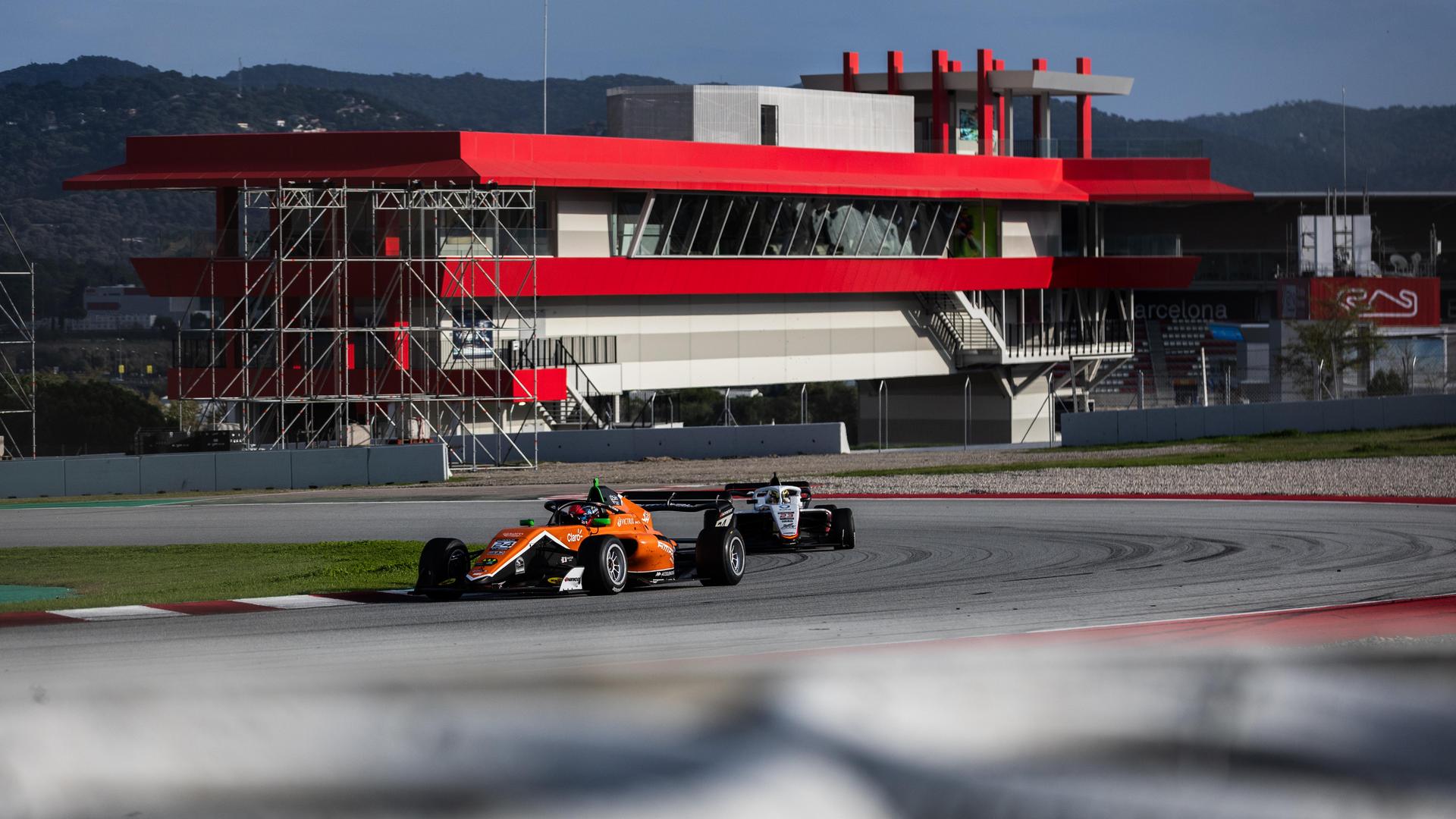
A medida que la temporada de Eurocup-3 llega a su fin con la emocionante última ronda en el reconocido Circuit de Barcelona-Catalunya, es el momento perfecto para repasar no solo los grandes momentos del año, sino también las notables mejoras que han convertido esta última carrera en una de las más memorables. Este año, el circuito estrenó una serie de mejoras que han elevado la experiencia de competición tanto para los pilotos como para los aficionados, marcando un nuevo estándar para los eventos de automovilismo en Europa.

Una final de temporada en un trazado más seguro y emocionante

Las últimas mejoras en materia de seguridad del Circuit de Barcelona-Catalunya fueron evidentes durante todo el fin de semana, con nuevas barreras, zonas de escape y curvas optimizadas que hicieron el trazado más seguro sin perder sus desafíos característicos. Para los pilotos, estas modificaciones ofrecieron más margen para llevar el coche al límite, permitiéndoles luchar por la posición sin comprometer la seguridad. Las actualizaciones nos permitieron presenciar adelantamientos arriesgados y carreras rueda a rueda de gran intensidad, haciendo de esta última ronda un cierre inolvidable para la temporada de Eurocup-3.

La sostenibilidad se une a la excelencia en la competición

Desde instalaciones alimentadas por energía solar hasta avanzados sistemas de gestión del agua, las iniciativas ambientales del Circuit de Barcelona-Catalunya se alinean perfectamente con la misión de Eurocup-3 de promover un automovilismo más sostenible. Competir aquí nos ha recordado que la velocidad y la emoción pueden convivir con el respeto por el entorno, y los esfuerzos que vimos esta temporada marcan un referente para los eventos de motor del futuro.

Mirando hacia adelante: un circuito construido para el futuro

Mientras despedimos una temporada llena de emoción, el Circuit de Barcelona-Catalunya se consolida como un modelo de lo que debe ser un circuito moderno de primer nivel. Sus nuevas mejoras de infraestructura, que incluyen la ampliación del paddock y un centro de medios de primer nivel, lo convierten en un escenario preparado para el futuro y listo para acoger eventos de automovilismo cada vez más ambiciosos, con Eurocup-3 formando parte firme de ese legado.

Un final para recordar

El renovado Circuit de Barcelona-Catalunya brindó el escenario perfecto para la última ronda de Eurocup-3. Con cada curva optimizada para la seguridad, cada recta mejorada para la velocidad y cada grada diseñada para maximizar la emoción, la ronda final de esta temporada fue un espectáculo sin precedentes.
Al repasar los logros de este año, una cosa está clara: terminar la temporada en este circuito legendario no es solo una tradición, sino un privilegio. Brindamos por el futuro de Eurocup-3, del Circuit de Barcelona-Catalunya y por la promesa de momentos aún más increíbles en la próxima temporada.

Interesting Facts and Curiosities about the Ángel Nieto Circuit

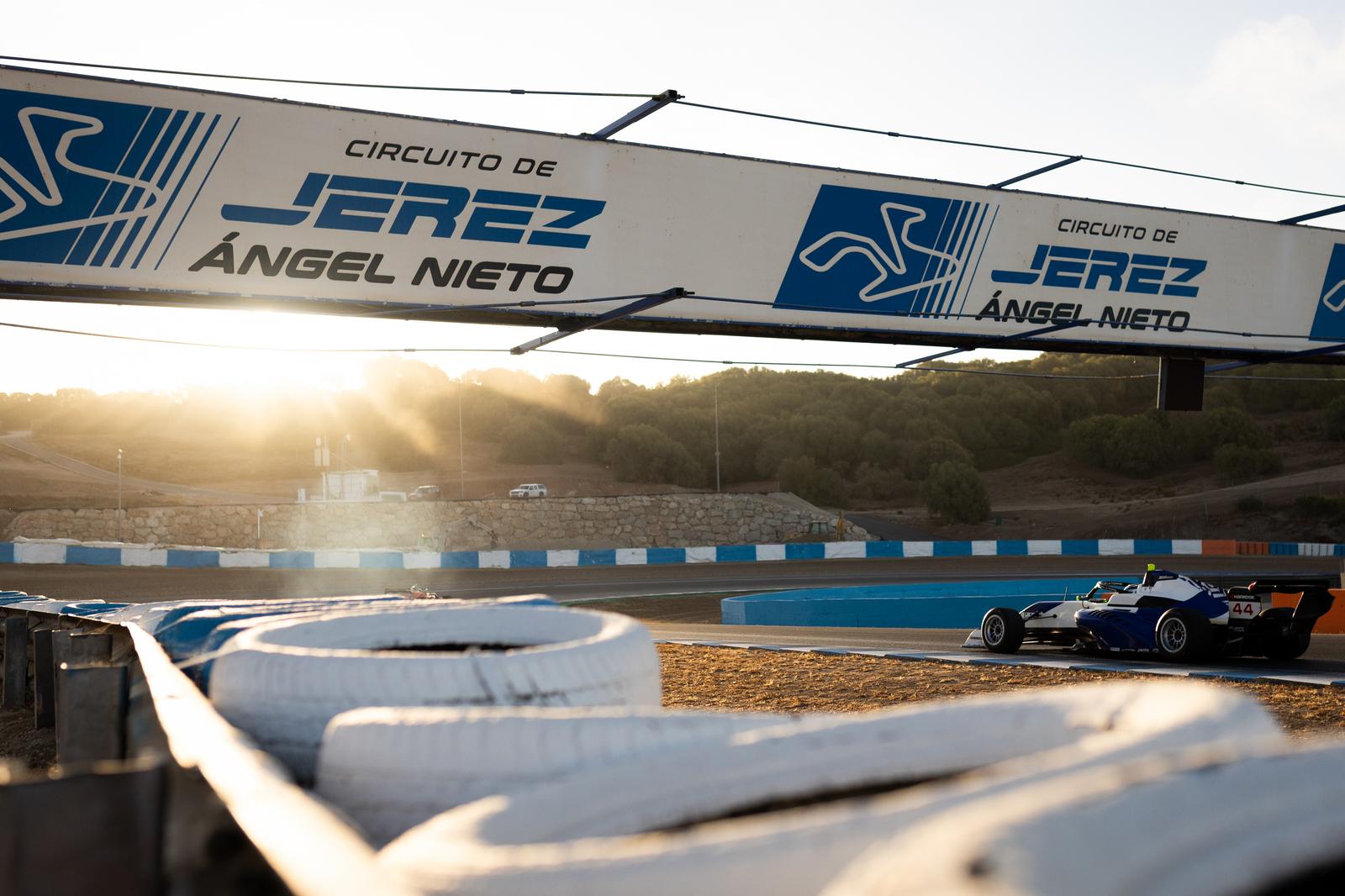
The Ángel Nieto Circuit in Jerez de la Frontera is one of the most iconic racing tracks in the world. Home to numerous thrilling competitions, including MotoGP, Formula 4, and Eurocup-3, this circuit holds a special place in the hearts of motorsport enthusiasts. Whether you’re a die-hard fan of racing or just getting into the sport, here are some interesting facts and curiosities about the Ángel Nieto Circuit that will enhance your appreciation of this legendary track.

1. A Tribute to a Legend: Ángel Nieto  

The circuit was renamed in 2018 in honor of Ángel Nieto, a Spanish motorcycling legend. Nieto was a 12+1-time world champion (he avoided saying 13 due to superstition) and is considered one of the most successful riders in motorcycle racing history. His legacy is celebrated with this symbolic naming, making the track even more meaningful to the motorsport community.

2. Inauguration and Early Fame  

The circuit was inaugurated in 1985 and quickly became one of the most important venues for motorsport in Europe. Its debut event was a Formula 1 test session, which set the stage for its subsequent success. Although it never hosted a Formula 1 Grand Prix, it became a staple in the world of MotoGP and other international racing competitions.

3. Technical and Challenging Layout  

The Ángel Nieto Circuit is known for its 4.428-kilometer layout, featuring 13 corners (5 left and 8 right). With its combination of fast straights and technical corners, the circuit is a favorite among drivers and riders. Some corners, such as the famous Curva de Jorge Lorenzo and Dry Sack, present significant challenges, demanding high levels of skill and precision.

4. A Global Motorsport Hub  

While the circuit is best known for hosting the Spanish Grand Prix of MotoGP, it also plays a key role in the development of young racing talent. The track hosts various events such as Formula 4 and Eurocup-3, giving aspiring drivers the chance to hone their skills on a world-class circuit. It’s a place where future stars of racing can be seen in action before they move up to higher levels of competition.

5. The MotoGP Pilgrimage  

Every year, Jerez becomes the epicenter of the MotoGP world. The Spanish Grand Prix at Jerez is one of the most highly anticipated events on the calendar, attracting over 180,000 spectators throughout the race weekend. The atmosphere is electric, with fans from all over the world gathering to experience the excitement and passion of motorcycle racing at its finest.

6. Testing Ground for Cars and Bikes  

The Ángel Nieto Circuit is a favorite testing ground for both car and motorcycle manufacturers. Its technical layout and favorable climate make it an ideal venue for testing high-performance vehicles. Throughout the year, teams use the circuit to fine-tune their machines and prepare for races, making Jerez an important part of pre-season testing for many professional teams.

7. One of Spain’s Busiest Circuits  

Thanks to its year-round mild weather, the Jerez circuit is one of the busiest in Spain. In addition to hosting official race events, it is often used for private testing sessions, track days, and even driving and riding schools. This constant activity makes it a hub of motorsport excellence, where professionals and amateurs alike can experience the thrill of racing.

8. Sustainability Efforts  

In recent years, the Ángel Nieto Circuit has made significant strides toward becoming more environmentally friendly. With growing awareness of the environmental impact of motorsports, the track has implemented sustainability initiatives such as reducing energy consumption, promoting recycling, and working toward minimizing its carbon footprint during major events.

9. A Fan-Friendly Circuit  

Jerez is known for its incredible fan experience. The circuit offers numerous grandstands with excellent views of the track, allowing spectators to witness key overtaking moments and high-speed straights. Additionally, the paddock and surrounding areas come alive during race weekends, with entertainment, food stalls, and merchandise available to make the visit memorable.

10. The Famous «Sherry Triangle»  

Located in the heart of Andalusia, Jerez is part of the famous «Sherry Triangle«, known for producing the world-renowned Jerez (sherry) wine. Visitors to the Ángel Nieto Circuit can also take the opportunity to explore the rich cultural and gastronomic heritage of the region. Whether it’s visiting a bodega for a wine tasting or enjoying traditional Andalusian dishes, Jerez offers a unique experience beyond the racetrack.

Conclusion  The Ángel Nieto Circuit is much more than just a racing venue; it’s a place steeped in history, excitement, and motorsport culture. From its challenging layout to its role in the development of future racing stars, the circuit remains a cornerstone of global motorsport. Whether you’re attending a MotoGP race or watching up-and-coming drivers in Eurocup-3, Jerez offers an unforgettable experience for fans of speed and competition.

Synergy on the Track: The Crucial Role of Teamwork in Motorsport

In motorsport, speed often steals the spotlight. From the thrilling roar of engines to the heart-pounding races, it’s easy to focus solely on the drivers as they push their cars to the limit. But behind every victory, every podium finish, and every seamless lap is something far more complex and dynamic — teamwork.

For fans and newcomers to Eurocup-3, the significance of collaboration in this fast-paced sport might not always be immediately obvious. Yet, motorsport, at its core, is the ultimate team effort. Each component — from the driver’s skills to the engineers’ precision and the pit crew’s efficiency — must work in harmony for success to be achieved.

The Driver: The Face of the Team  

Drivers are often the most visible members of a motorsport team, bearing the pressure of executing strategy and pushing the limits on the track. But even the most talented driver can’t achieve greatness without the support of a solid team. While they are responsible for making split-second decisions and handling high-performance vehicles under intense pressure, they rely on the feedback and preparation provided by their engineers, data analysts, and coaches.

The driver’s trust in the team is crucial. From understanding the car’s performance to communication during the race, the synergy between driver and team must be fluid and efficient. Every race is a test of this communication and trust, where even the slightest misstep can result in lost positions, or worse, a crash.

Engineers: The Architects of Speed  

Behind every fast lap is a team of engineers working tirelessly to optimize the car’s performance. Whether it’s fine-tuning the aerodynamics, adjusting the suspension, or managing fuel efficiency, engineers are the architects of speed. They analyze endless data from previous races, test laps, and real-time telemetry to ensure the car performs at its peak.

In Eurocup-3, where the difference between winning and losing can be fractions of a second, engineers play a pivotal role. Their close collaboration with drivers allows them to adjust the car to the driver’s preferences and to the specific demands of the track. This teamwork between engineers and drivers can often be the deciding factor in a race.

Mechanics: The Hands that Make it Happen  

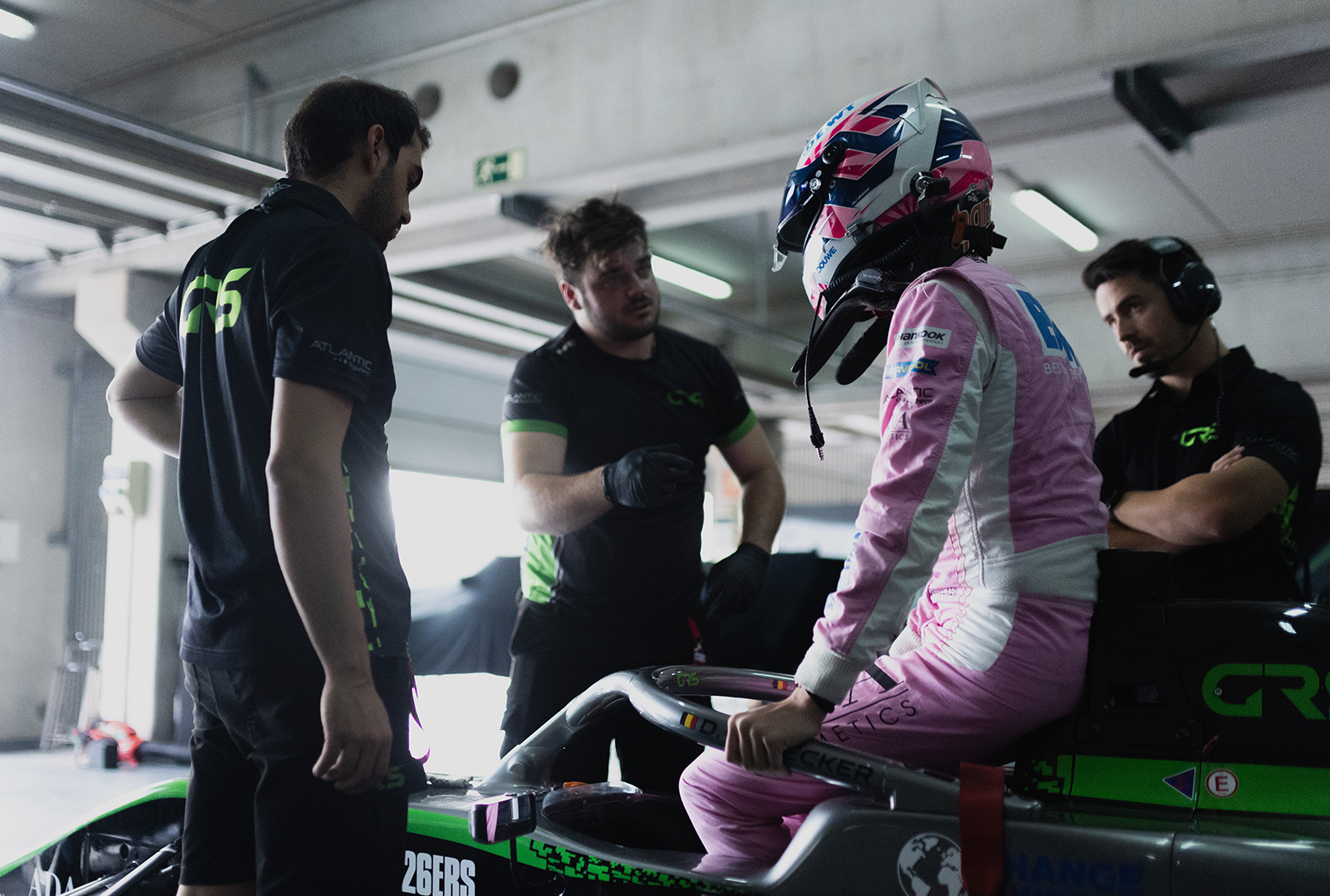
Mechanics are the backbone of every motorsport team. They are responsible for maintaining the car, making sure it’s in top condition, and handling repairs when things go wrong. Whether it’s swapping out a damaged part or adjusting the car’s setup to suit the track, mechanics ensure the vehicle is ready to perform at its best.

Their work requires not only technical skill but also incredible teamwork. They work closely with engineers and drivers to make real-time adjustments during practice and qualifying sessions, ensuring the car is perfectly tuned for race day. Without mechanics, a driver’s performance would be compromised, no matter how talented they are behind the wheel.

Media and Marketing Teams: Sharing the Story  

Behind every motorsport team is a media and marketing team that keeps fans connected and informed. These teams create content that showcases not just the races, but the hard work and dedication of the entire crew. From managing social media accounts to filming behind-the-scenes footage and conducting interviews, the media and marketing teams are crucial in building the team’s brand and engaging with its fanbase.

They also help manage sponsorships, partnerships, and public relations, which are vital for a sport that relies heavily on visibility and promotion. Their efforts make sure that every race gets the spotlight it deserves, and that the excitement on the track is shared with audiences around the world.

Logistics Teams: The Master Planners  

Motorsport teams don’t just show up on race day — the logistics teams work tirelessly to make sure everything runs smoothly behind the scenes. They handle everything from transporting cars and equipment to setting up the garage and coordinating travel schedules for the team. Without them, the race wouldn’t even get off the ground.

Logistics teams ensure that all the necessary tools, parts, and personnel are at the right place at the right time, ready for action. Their coordination and planning are key to minimizing disruptions and ensuring that the team is fully prepared for race day.

Why Teamwork Makes All the Difference  

Motorsport isn’t just about fast cars and fearless drivers — it’s about the entire team working together to achieve one goal: winning. The Eurocup-3 championship is the perfect example of how crucial teamwork is in motorsport. From the engineering setup to the mechanical adjustments, every detail matters.

When the team is in sync, everything runs like clockwork. And when teamwork clicks, the results can be magic. That’s the true beauty of motorsport — it’s a team effort from start to finish, and that’s what drives success.So, the next time you watch a Eurocup-3 race, remember that every victory is a result of synergy between the driver and their team. It’s not just speed that wins races — it’s the power of teamwork.

The Psychology of a Driver: How Eurocup-3 Drivers Handle Pressure and Stress in Competition

Eurocup-3 is one of the early steps in the world of motorsports where drivers begin to take competition seriously. It serves as the initial rung in a professional racing career, ultimately aiming for higher tiers like Formula 1. Here, drivers not only refine their racing skills but also begin to build the mental resilience essential to withstand the pressures of high-level competition.

One of the most remarkable characteristics of Eurocup-3 drivers is their youth. Many start competing in single-seaters at the age of 15 or 16, and by then, they have already undergone years of preparation and sacrifice. From a very early age, these young drivers have been under the close scrutiny of teams and sponsors, which brings immense pressure. A driver’s career is often shaped by their ability to manage that pressure and convert stress into peak performance on the track.

Mental Preparation: A Key Component

Eurocup-3 drivers don’t just train their driving skills; a large part of their preparation involves psychological training to manage stress, pressure, and expectations. They often work with sports psychologists who specialize in helping these young talents develop the focus and emotional balance needed to compete in intense situations.

Mental training for these drivers starts at a young age. They are taught how to remain calm under pressure, cope with setbacks and mistakes, and avoid being paralyzed by the fear of failure. All of this becomes as vital to their routine as any physical training session or time spent in the simulator.

The Pressure to Meet Expectations

One of the most challenging aspects for young drivers is the pressure to meet external expectations. Many have been on the radar of sponsors and teams since childhood, adding an extra layer of weight on their shoulders. Sponsors invest in their development with the expectation that one day they will become the next stars of motorsport.

In addition to external pressure, there’s also self-imposed pressure. These drivers have big dreams: many want to reach Formula 1, and Eurocup-3 is one of their first real steps towards that goal. The fear of not living up to expectations can be overwhelming, but this is where mental toughness becomes their greatest asset.

The Stress of Competition

While Eurocup-3 is a developmental category, it’s not free from the pressures of competition. The races are fast, technical, and physically demanding. Drivers must make split-second decisions, and a single mistake can cost them the race. This environment creates high levels of stress, and drivers must learn to manage it effectively.

Competition-related stress can manifest in various ways: some drivers experience pre-race anxiety, while others feel immense pressure during the race itself. To cope, many use breathing techniques, visualization, and relaxation methods that help them focus on the present moment rather than the outcome.

Life Lessons at a Young Age

One thing that stands out about Eurocup-3 drivers is their maturity. Despite being teenagers, they’ve had to learn how to manage high-pressure situations from a young age. They’ve experienced both victory and defeat, learning that success doesn’t always come immediately. This ability to handle adversity and keep pushing forward is a skill that will serve them not just in motorsport but in all aspects of life.

Ultimately, the young drivers in Eurocup-3 are examples of how a blend of talent, mental preparation, and the ability to handle stress can lead to great achievements. While their path to the top of motorsport is long and filled with challenges, the way they handle pressure from an early age is what makes them true champions in the making.

ConclusionThe world of Eurocup-3 may seem like a fast-paced environment full of adrenaline and excitement, but behind that image are young individuals developing incredible mental strength. The ability to handle pressure, stress, and expectations is what separates good drivers from great ones. At this level of competition, a driver’s psychology becomes just as important as their driving skills, and it’s this combination that will ultimately lead them to success in the upper echelons of motorsport.

The Evolution of Safety in Racing Circuits: A Eurocup-3 Perspective

Motorsport is synonymous with high-speed thrills and technological innovation. However, behind the adrenaline-pumping races lies a relentless pursuit of safety. The evolution of safety in racing circuits has been a journey of continuous improvement, driven by the need to protect drivers, teams, and spectators. Eurocup-3, established in 2021, has quickly positioned itself as a premier single-seater racing series, showcasing its commitment to safety by competing on some of the best and most advanced circuits across Europe.

Early Days: Safety challenges and the rise of circuit racing

The early 20th century saw the birth of motorsport, with races often held on public roads. These events were marked by high risks, as circuits were not designed with safety in mind. The lack of protective barriers and proper circuit layouts led to frequent accidents, highlighting the urgent need for improved safety standards.

While Eurocup-3 itself is a relatively recent addition to the motorsport world, its choice of circuits reflects a deep respect for the history and evolution of circuit safety. The series races on tracks that have been developed and upgraded over decades, benefiting from the cumulative advances in safety measures implemented across Europe. These circuits have been selected not only for their challenging layouts but also for their state-of-the-art safety features, setting a high standard for the series.

Mid-20th century: The introduction of safety measures

The mid-20th century marked significant progress in motorsport safety. The introduction of dedicated racing circuits and basic safety features, such as barriers and run-off areas, laid the groundwork for safer racing environments. The tragic 1955 Le Mans disaster, which claimed the lives of many spectators, was a turning point that led to a comprehensive review of safety measures across all racing disciplines.

Eurocup-3, by racing on iconic European circuits like Monza, Spa-Francorchamps, and Silverstone, taps into a rich heritage of racing history where safety innovations have continuously evolved. These circuits have implemented stringent safety protocols, including advanced barrier systems and extensive run-off areas, which are crucial for ensuring the safety of both drivers and spectators.

Late 20th century: Technological advancements and regulatory changes

The late 20th century was a period of rapid technological advancement in motorsport. Innovations such as the Armco barrier and the introduction of safety cars became standard features, significantly enhancing circuit safety. These developments set the stage for the high standards that Eurocup-3 upholds today.

The series’ selection of circuits is also influenced by these advancements. Tracks like the Nürburgring and Circuit de Barcelona-Catalunya have been leaders in implementing cutting-edge safety technologies and are known for their meticulous attention to safety protocols. This ensures that Eurocup-3 races are held under the safest conditions possible, aligning with the series’ commitment to the highest safety standards.

21st Century: Eurocup-3 and modern safety innovations

In the 21st century, and particularly since its debut in 2021, Eurocup-3 has embraced the latest technological advancements to enhance circuit safety. The use of advanced materials, such as carbon fibre, has improved the construction of cars and barriers, offering better impact absorption. The Halo device, a significant innovation in single-seater racing, has been a crucial addition to the series, providing protection against debris and collisions.

The vehicles used in Eurocup-3 are equipped with the latest safety features, reflecting the series’ commitment to driver protection. These cars incorporate cutting-edge technology designed to enhance safety without compromising performance. Features such as advanced crash structures and energy-absorbing materials ensure that drivers are well-protected in the event of an incident. Moreover, the adoption of standardised safety equipment, including the HANS device and state-of-the-art helmets, further underscores Eurocup-3’s dedication to maintaining the highest safety standards.

Modern Eurocup-3 circuits feature state-of-the-art safety installations, including Tecpro barriers and extensive run-off areas. These features, combined with digital technology like telemetry and GPS tracking, allow for real-time monitoring and incident response, making Eurocup-3 one of the safest series in motorsport. The choice of circuits such as Hockenheim and Red Bull Ring underscores the series’ dedication to providing the safest and most exhilarating racing experiences.

The future: innovation and continued commitment

Looking ahead, Eurocup-3 is set to continue leading the way in circuit safety. Future innovations may include active safety systems, enhanced data analytics, and even greater integration of AI technologies to predict and prevent accidents. As sustainability becomes increasingly important, Eurocup-3 is also exploring ways to integrate green technologies while maintaining the highest safety standards.

The series’ focus on safety is not just about meeting current standards but about pushing the boundaries of what is possible in motorsport safety. By staying at the forefront of technological advancements and racing on circuits known for their safety innovations, Eurocup-3 ensures that it remains a leader in both competitive racing and safety.

Conclusion: Eurocup-3’s role in advancing circuit safety

The evolution of safety in racing circuits has been a long and ongoing journey, marked by significant milestones and continuous improvement. Eurocup-3, despite being a newcomer, has rapidly established itself as a key player in this journey. By racing on some of the best circuits in Europe, which are equipped with the latest safety features and technologies, Eurocup-3 sets a high standard in the motorsport industry.

As Eurocup-3 continues to grow and attract a global audience, its commitment to safety remains unwavering. The series’ dedication to protecting drivers, teams, and spectators ensures that the thrill of motorsport can be enjoyed with confidence. For fans and participants alike, Eurocup-3 represents not just the pinnacle of racing talent, but also a benchmark for safety in the sport.

Stay updated with Eurocup-3’s latest safety innovations and race highlights by following the Eurocup-3 Official Website.

We are ready

Sign to our newsletter to keep track of the championship

Suscribe to our newsletter

Suscribe to our newsletter