Motorsport has long been associated with speed, high-performance engineering, and cutting-edge technology. However, the industry has faced increasing pressure to address its environmental impact in recent years. As a sport that requires significant energy consumption, both on and off the track, motorsport has had to rethink its approach to sustainability. This shift is especially evident in F1, the pinnacle of motorsport, which has introduced several initiatives aimed at reducing its carbon footprint while maintaining its thrilling nature.
F1’s Push for Sustainability
In 2019, F1 announced an ambitious sustainability plan, aiming to become a net-zero carbon sport by 2030. This initiative marked a turning point for the championship, with a focus on both the race cars and the logistics involved in transporting teams, equipment, and staff across the globe.
One of the most significant advancements is the development of hybrid engines, which have been part of F1 since 2014. These power units combine an internal combustion engine with electric motors, making them far more efficient than their predecessors. In 2026, F1 plans to introduce a new generation of engines that will run on 100% sustainable fuels, further reducing the sport’s reliance on fossil fuels.
Another critical area of focus is reducing the carbon footprint associated with F1’s global operations. Transporting race cars, teams, and equipment across multiple continents contributes significantly to emissions. To address this, F1 has been working with logistics partners to optimize transportation routes and reduce unnecessary freight. Teams are also encouraged to adopt more sustainable practices in their operations, such as using renewable energy sources in their factories and at race venues.
Beyond the technical and operational changes, F1 has embraced sustainability in its fan engagement. The sport has begun incorporating initiatives such as carbon offset programs, encouraging fans to take more environmentally friendly transportation options when attending races and reducing plastic waste at events.
The Role of Drivers: Sebastian Vettel’s Leadership
While the F1 organization has spearheaded these sustainability efforts, drivers have also played a crucial role in advocating for a greener future for motorsport. One of the most vocal figures in this regard has been four-time world champion Sebastian Vettel.
Over the last few years of his career, Vettel has become a passionate advocate for environmental issues, often using his platform to raise awareness about the importance of sustainability.
Vettel’s actions off the track have been just as impactful as his performances on it. He has participated in various environmental initiatives, including beach clean-ups and promoting biodiversity. He also converted his race helmet into a symbol of environmental activism, displaying messages advocating for climate action and sustainability.
In addition to his environmental advocacy, Vettel has spoken out about the need for the sport to lead by example. He believes that motorsport, with its global reach and technological expertise, is uniquely positioned to drive innovation in sustainable practices. His commitment to these values earned him widespread respect within and beyond the motorsport community.
Expanding Efforts to Feeder Series
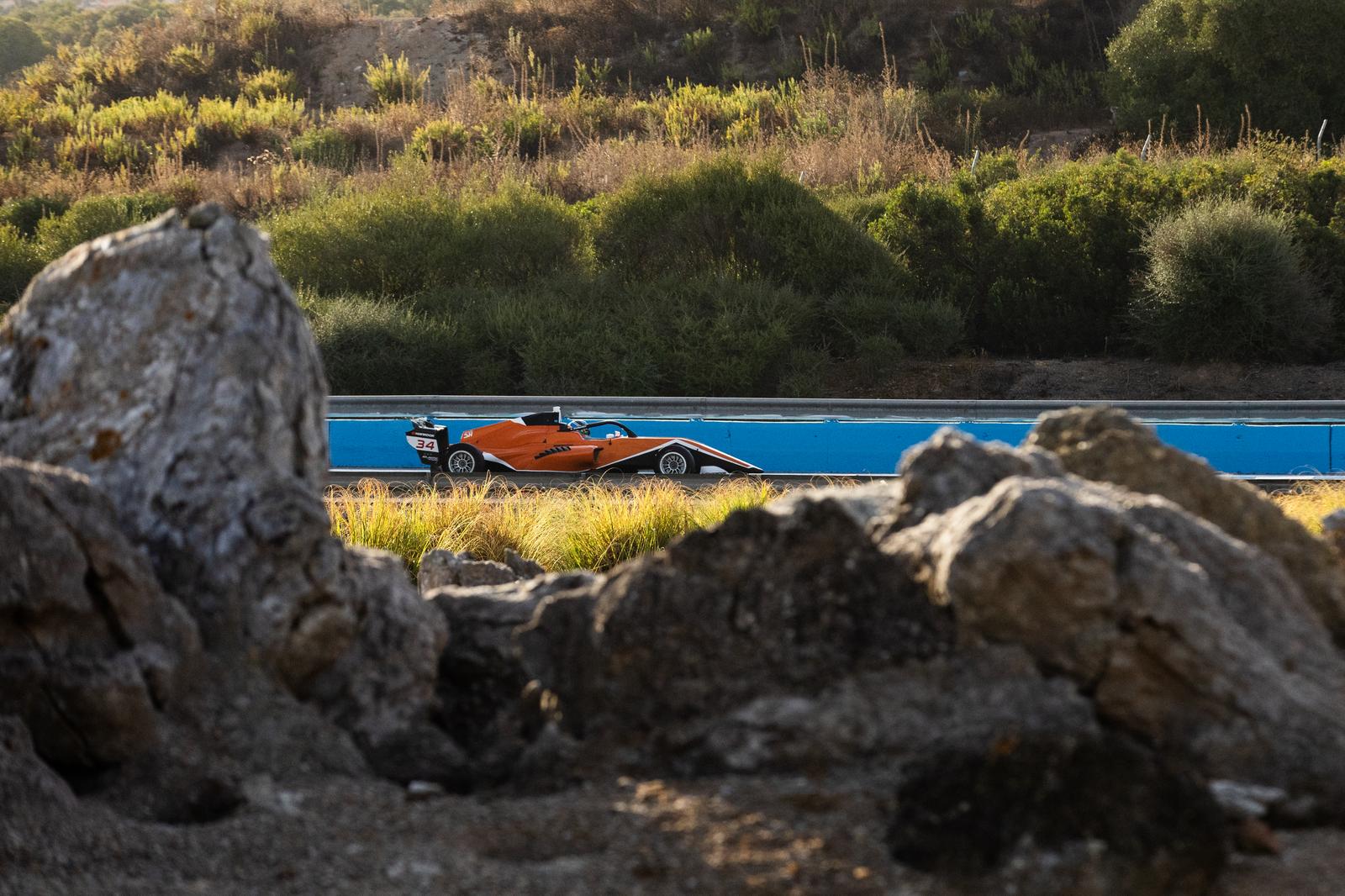
Sustainability efforts are not exclusive to F1. Feeder series, such as Formula 2, Formula 3, Eurocup-3, and the F4 Spanish Championship, are also aligning with environmental goals to ensure that sustainability practices are ingrained in future motorsport talent.
These categories are exploring greener technologies, sustainable fuels, and carbon footprint measurement. The Real Federación Española de Automovilismo (RFEDA), in particular, launched a Decarbonization Plan for 2023-2030 to support events like the Spanish Karting Championship, the Spanish Alternative Energies Championship, Eurocup-3, and F4 Spanish Championship in their journey to reduce emissions and adopt sustainable practices. Supported by NTT Data and RACE, this initiative aligns motorsport with the UN’s Sustainable Development Goals, reinforcing RFEDA’s commitment to a more sustainable future in racing.
Challenges Ahead
Despite the positive momentum, the road to making motorsport truly sustainable remains challenging. The nature of the sport, with its reliance on high-speed vehicles and frequent global travel, poses significant obstacles. Developing fully sustainable technologies for race cars that maintain their competitive edge will require continued investment in research and innovation.
Furthermore, aligning the sport’s sustainability goals with the commercial interests of teams, sponsors, and race organizers presents its own set of challenges. Achieving carbon neutrality will require collaboration across all levels of the sport, from the governing bodies to the fans themselves.
Conclusion
The journey towards a more sustainable motorsport industry is complex, but the progress made by F1, RFEDA’s initiatives in feeder series, and the leadership shown by figures like Sebastian Vettel offer hope. By embracing hybrid technology, committing to 100% sustainable fuels, and implementing carbon reduction strategies, motorsport is gradually shifting towards a greener future. As the sport continues to evolve, its ability to balance performance with environmental responsibility will define its legacy in the fight against climate change.
Motorsport may have started as a celebration of speed and engineering, but in the 21st century, it has the potential to become a leader in sustainable innovation.