Zandvoort: A detailed analysis of the circuit and its unique features

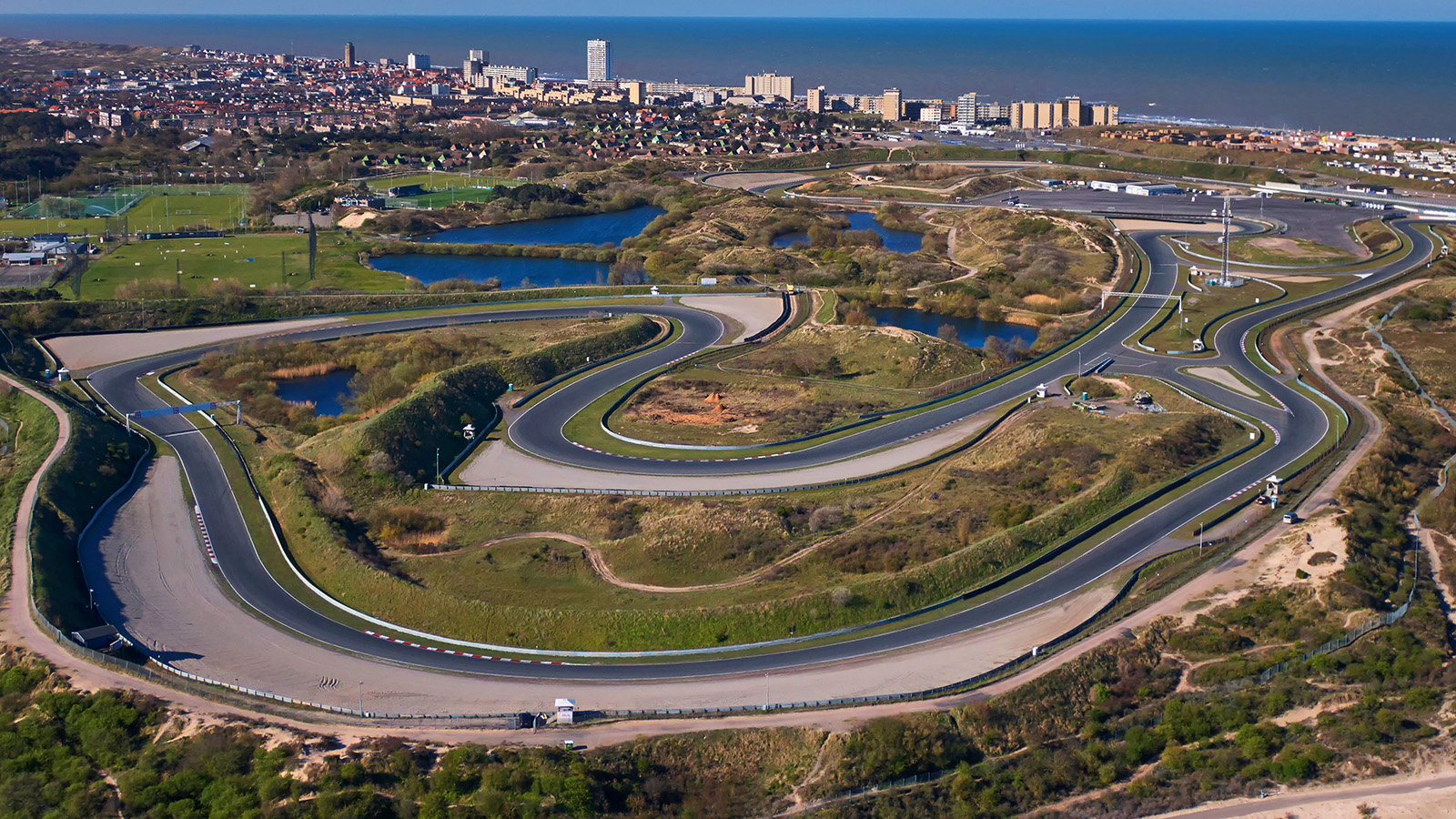
The Circuit Zandvoort, nestled in the picturesque Netherlands, is a historic gem in the motorsport world. Known for its location amid the dunes and the North Sea, Zandvoort has been an iconic destination for racing enthusiasts since its opening in 1948. In this blog, we will delve deep into the unique characteristics of this circuit, its evolution over the years, and its significance in the rapidly growing single-seater category, Eurocup-3.

History of Circuit Zandvoort

The Circuit Zandvoort, officially known as CM.com Circuit Zandvoort, opened in 1948 and quickly became a favourite in the European racing calendar. From its inception, it has hosted a variety of motorsport events, including the Dutch Grand Prix of Formula 1. Its original design, influenced by Dutch drivers and the natural conditions of the surroundings, has remained true to its essence over the decades.

Evolution and renovations

Over the years, Zandvoort has undergone several renovations to meet the demands of modern competition and enhance safety. The most significant modifications occurred in 2020, when the circuit prepared for the return of Formula 1 after more than three decades. These improvements included changes to the Tarzanbocht corner, one of the most iconic, and the addition of a banked section at Hugenholtz corner, increasing the challenge for both drivers and engineers.

Design and features of the circuit

Zandvoort is renowned for its flowing and challenging design, with a length of 4.259 km and a total of 14 corners. Its location in the coastal dunes adds a unique element, with natural elevation changes that test drivers’ skills and vehicle setup. Below, we break down some of the circuit’s most notable features.

Tarzanbocht corner

The Tarzanbocht is perhaps the most famous corner at Zandvoort. It is a 180-degree bend right after the main straight, requiring strong and precise braking. Its wide radius allows multiple racing lines, favouring overtaking and creating exciting opportunities for Eurocup-3 drivers.

The dunes section

The dunes section, with its natural undulations, offers a unique challenge. Here, drivers must deal with elevation changes and blind corners, testing both their skill and bravery. This part of the circuit is crucial for maintaining rhythm and securing a good lap time.

Hugenholtz corner

The Hugenholtz corner, redesigned with banking in 2020, has become a favourite among drivers. The banking increases corner speed, allowing earlier acceleration on exit. This feature is particularly relevant in categories like Eurocup-3, where exit speed can be the difference between gaining and losing positions.

Scheivlak corner

Another iconic corner is Scheivlak, a fast and blind bend that descends sharply. This corner is a true test for drivers, who must rely on memory and skill to navigate it at high speed without seeing the exit. It is a corner that rewards precision and confidence.

Impact of weather and location

The circuit’s proximity to the North Sea means weather conditions can change rapidly. Wind and sand can alter track grip, and rain can completely transform racing conditions. Eurocup-3 drivers must be prepared to adapt quickly to these changes, adding an additional level of complexity to races at Zandvoort.

Preparation and strategy

Preparation for a race at Zandvoort involves meticulous attention to detail. Teams must account for the variability of the weather and adjust their tyre strategies accordingly. Aerodynamic setups also play a crucial role, as balancing straight-line speed and corner grip is essential.

Eurocup-3 at Zandvoort

Eurocup-3, a rapidly growing single-seater category, has found an ideal stage in Zandvoort to showcase the talent of its drivers and the competitiveness of its cars. This circuit not only offers a technical challenge but also a platform for young drivers to display their skill in a demanding environment.

Competition and driver development

Zandvoort is a circuit that tests all aspects of a driver’s abilities. Eurocup-3, with its focus on developing young talent, benefits greatly from the unique characteristics of this track. Drivers learn to handle elevation changes, execute overtakes in complex corners, and quickly adapt to changing conditions, skills that are essential for their progress in motorsport.

Events and fans

Eurocup-3 events at Zandvoort attract a crowd of enthusiastic fans. The circuit’s proximity to Amsterdam and other major cities makes it an accessible destination for motorsport followers. Additionally, the seaside and dune atmosphere offers a unique experience for both spectators and participants.

Conclusion

The Circuit Zandvoort, with its unique features and rich history, is a perfect stage for Eurocup-3. Its challenging design, natural influences, and unpredictable weather make it a true test for drivers and teams. At the same time, its ability to attract fans from all over underscores its importance in the racing calendar.

For Eurocup-3 drivers, competing at Zandvoort is an opportunity to hone their skills at one of the world’s most iconic circuits. And for fans, it is a chance to witness emerging talent up close and enjoy thrilling races in a spectacular setting.

If you want to keep up with all the latest news and results from Eurocup-3 at Zandvoort, be sure to visit our website and stay updated with the latest news and updates. Don’t miss any action at this legendary circuit!
Los pilotos influencers: fusionando el automovilismo con las redes sociales

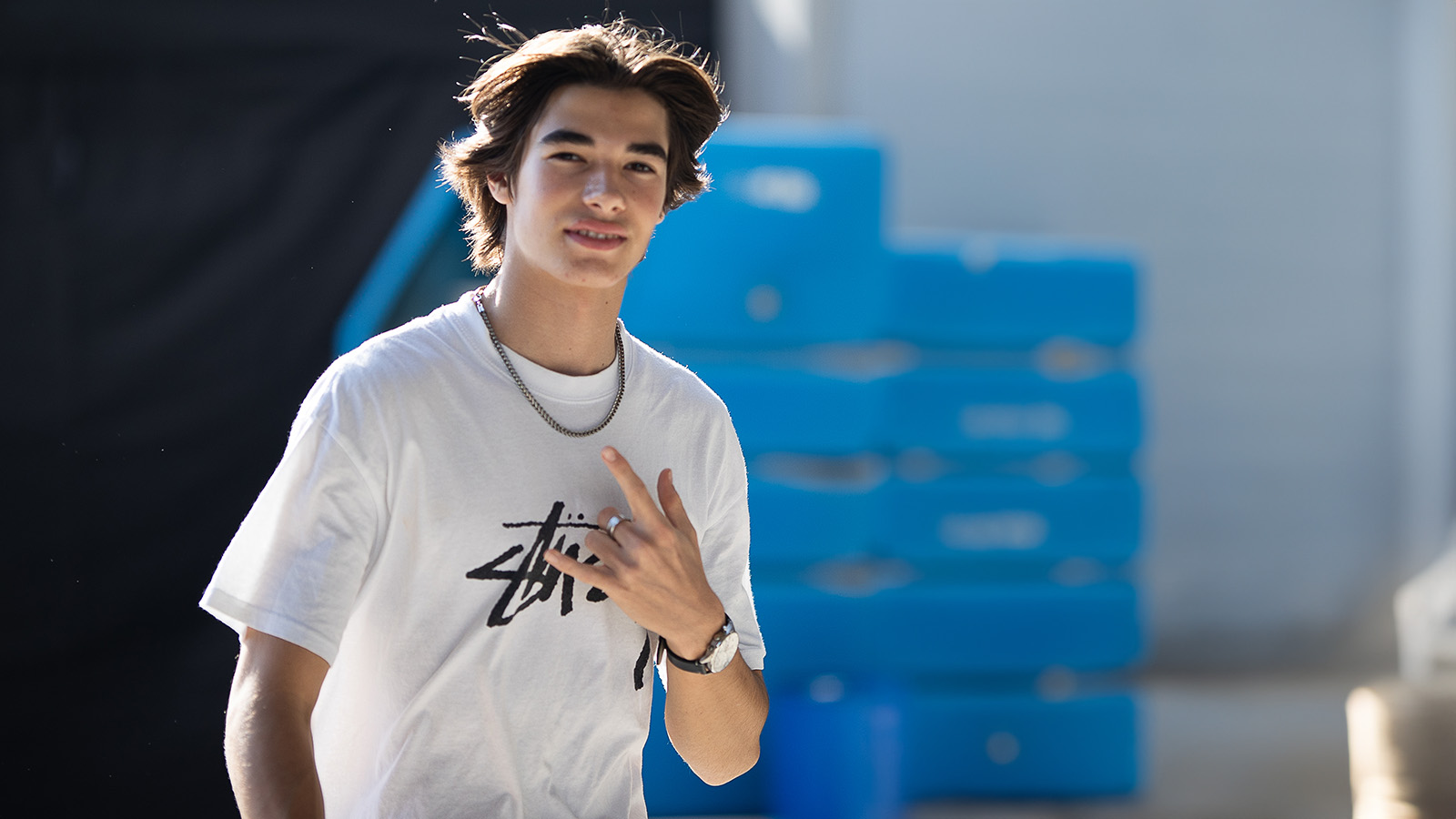
En el acelerado mundo de la Eurocup-3, los pilotos ya no son solo atletas; se están convirtiendo en marcas influyentes por derecho propio. El auge de las redes sociales ha transformado la manera en que los pilotos interactúan con los aficionados, atraen patrocinadores y construyen su marca personal. En este artículo analizamos cómo aprovechan plataformas como Instagram y TikTok para aumentar su popularidad, hacer crecer su base de seguidores y potenciar sus carreras hacia nuevos niveles.

La evolución de los pilotos hacia influencers en redes sociales

En el pasado, el éxito de un piloto se medía exclusivamente por su rendimiento en pista. Hoy, sin embargo, su influencia se extiende mucho más allá del circuito. Los pilotos más populares de Eurocup-3 son aquellos que han dominado el arte de las redes sociales, convirtiendo cada carrera, sesión de entrenamiento o momento personal en un contenido compartible.

El auge de las redes sociales les ha permitido conectar con los aficionados como nunca antes. Comparten escenas entre bastidores, muestran su rutina de entrenamiento y participan en conversaciones en tiempo real con sus seguidores. Esta interacción constante les ha convertido en figuras influyentes no solo en el mundo del automovilismo, sino también en el ecosistema digital.

Construcción de una marca personal

Crear una marca personal es ahora una parte esencial de la estrategia profesional de un piloto de Eurocup-3. Cada vez son más conscientes de que su poder de atracción para marcas y patrocinadores depende tanto de su visibilidad en redes sociales como de sus habilidades al volante. Cuidan cuidadosamente lo que comparten y cómo lo presentan, buscando generar el mayor engagement posible.

Por ejemplo, un piloto puede publicar vídeos de sus rutinas de entrenamiento para mostrar las exigencias físicas del deporte. También puede compartir sus viajes, aficiones o intereses personales, mostrándose como una figura cercana y accesible. Este enfoque multifacético ayuda a construir una marca personal sólida que conecta con distintos tipos de audiencia.

El papel de las redes sociales en la atracción de patrocinadores

En la era digital actual, los patrocinadores buscan algo más que buenos resultados en pista; quieren pilotos que puedan ofrecer visibilidad y engagement. Los pilotos más populares en redes sociales dentro de Eurocup-3 suelen ser quienes aseguran los acuerdos de patrocinio más lucrativos.
Las marcas reconocen el valor de asociarse con pilotos que cuentan con grandes comunidades activas en plataformas como Instagram y TikTok.

Estas redes permiten una conexión directa con la base de seguidores del piloto, lo que resulta muy atractivo para los patrocinadores que buscan llegar a audiencias específicas. Al colaborar con pilotos con una presencia fuerte en redes sociales, las marcas pueden acceder a nuevos mercados y aumentar su notoriedad.

Ejemplos de pilotos que destacan en redes sociales

Varios pilotos de Eurocup-3 y de categorías superiores han adoptado las redes sociales como una herramienta fundamental y han obtenido grandes beneficios. Algunos ejemplos de pilotos que han construido con éxito su marca personal online son:

  • Lando Norris – El piloto de McLaren en F1 es conocido por su contenido divertido y cercano en Instagram y TikTok. Su personalidad espontánea y el material detrás de cámaras le han permitido construir una comunidad enorme.
  • Charles Leclerc – El piloto de Ferrari utiliza sus redes sociales para mostrar su vida dentro y fuera del circuito. Entrenamientos, momentos previos a las carreras y retazos de su día a día lo han convertido en uno de los pilotos más seguidos.
  • George Russell – El piloto de Mercedes comparte aspectos de su carrera deportiva, rutinas de entrenamiento y vida personal. Su autenticidad y cercanía con los aficionados lo han posicionado como uno de los favoritos en redes.

El impacto de las redes sociales en la relación con los aficionados

Las redes sociales han revolucionado la manera en que los aficionados interactúan con los pilotos de Eurocup-3. Antes, los fans solo podían seguir las carreras por televisión o leer reportajes en revistas. Ahora pueden seguir a los pilotos en redes, comentar sus publicaciones e incluso recibir respuestas directas.

Esta interacción genera una conexión más profunda entre pilotos y aficionados. Permite que los seguidores se sientan parte del camino del piloto, celebrando sus éxitos y acompañando sus desafíos. Esta conexión emocional es fundamental para quienes buscan construir una comunidad fiel y comprometida.

Los desafíos de ser influencer en el automovilismo

Aunque las redes sociales ofrecen numerosos beneficios, también presentan ciertos desafíos. Mantener una presencia constante y atractiva en línea requiere tiempo y esfuerzo, algo difícil para los pilotos de Eurocup-3, que ya cuentan con horarios muy exigentes. Equilibrar sus responsabilidades en pista con los compromisos en redes sociales puede ser una tarea delicada.

Además, los pilotos deben enfrentarse a los posibles riesgos de las redes sociales, como comentarios negativos y acoso online. Desarrollar resistencia emocional y saber cuándo desconectar son habilidades fundamentales para proteger la salud mental mientras mantienen su presencia digital.

Tendencias futuras en la interacción de los pilotos con redes sociales

A medida que las redes sociales continúan evolucionando, también lo harán las formas en las que los pilotos de Eurocup-3 conectan con sus seguidores. Las plataformas emergentes y nuevas funcionalidades ofrecerán oportunidades adicionales para reforzar la relación con su audiencia. Por ejemplo, el crecimiento de los directos ha permitido a los pilotos compartir experiencias en tiempo real con sus seguidores, desde los preparativos previos a una carrera hasta las celebraciones posteriores.

Además, la integración de la realidad aumentada (AR) y la realidad virtual (VR) en las plataformas de redes sociales podría ofrecer a los fans experiencias aún más inmersivas. Imagina que un aficionado pueda acompañar virtualmente a su piloto favorito durante una carrera o experimentar una parada en boxes desde la perspectiva del piloto a través de la VR.

Conclusión: La nueva era del automovilismo

La convergencia entre el automovilismo y las redes sociales ha dado paso a una nueva era para los pilotos de Eurocup-3. Ya no son únicamente deportistas; ahora son influencers que cuentan con una importante comunidad online y un notable poder de marketing. Construyendo marcas personales sólidas y conectando con los aficionados a través de las redes sociales, los pilotos pueden aumentar su popularidad, atraer patrocinadores y asegurar la continuidad de sus carreras.

De cara al futuro, está claro que el papel de las redes sociales en el automovilismo seguirá creciendo. Los pilotos de Eurocup-3 que adopten esta tendencia y aprovechen su presencia digital estarán en una posición ideal para triunfar tanto dentro como fuera de la pista. El mundo del motorsport está cambiando, y son los pilotos-influencers quienes están liderando esta transformación.

Faro, la perla de Portugal

Beach and Eurocup-3. Sun and engine. The relaxation of the waves and the adrenaline of the race. Do you like this mix? Great, because at the Portimão Circuit we will find all that. Officially known as the Autódromo Internacional do Algarve, it is one of the most modern and famous racing circuits in Europe. Located very close to the Algarve’s Atlantic coast, near the city of Portimão, this circuit has gained notoriety for its challenging design and first-class facilities.

Situado aproximadamente a 10 km al norte de la ciudad de Portimão, el circuito fue inaugurado en noviembre de 2008. Diseñado por el arquitecto Ricardo Pina, es conocido por sus cambios de elevación y curvas desafiantes, que lo convierten en un trazado muy técnico y espectacular. El trazado principal tiene 4,684 km de longitud y sus instalaciones pueden albergar hasta 100.000 espectadores. Además, ha sido sede del Gran Premio de Portugal de Fórmula 1 en varias ocasiones, las más recientes en 2020 y 2021. También es un circuito habitual en el calendario del Campeonato del Mundo de MotoGP.

¿Tiempo libre? Visita la ciudad de Faro
A 80 km del circuito se encuentra Faro, la capital de la región del Algarve. Faro es una ciudad encantadora, con una rica historia, una arquitectura preciosa y una naturaleza impresionante. Es un lugar imprescindible mires por donde mires. Cultura, gastronomía y vida. Cualquier visitante que viaje al sur de Portugal debería conocer Faro sin pensarlo dos veces. Aquí tienes algunas cosas que hacer en Faro:

Qué ver en Faro?

  • Arco da Vila: Una de las puertas de acceso al casco histórico, construida sobre una antigua puerta árabe. Foto y selfie obligatorio, sí o sí.
  • Catedral de Faro: Tras pasear por la calle peatonal del centro, llegamos a la Sé. Situada en la plaza principal del casco antiguo, esta catedral del siglo XIII ofrece unas vistas panorámicas impresionantes desde su torre.
  • Palácio de Estoi: Un hermoso palacio del siglo XIX con jardines ornamentales, ideal para hacer un picnic.
  • Parque Natural de Ria Formosa: Un precioso parque natural con una gran diversidad de flora y fauna. Puedes hacer paseos en barco, observar aves o simplemente disfrutar de la naturaleza.
  • Parque Natural de Ria Formosa: Un precioso parque natural con una gran diversidad de flora y fauna. Puedes hacer paseos en barco, observar aves o simplemente disfrutar de la naturaleza.
  • Mercado Municipal: Un lugar perfecto para comprar productos locales frescos y probar las delicias portuguesas.

Bonus Track solo para los valientes

  • Iglesia do Carmo: Es uno de los monumentos más amados o más odiados de la zona. Famosa por su Capilla de los Huesos, decorada con huesos humanos. Fue construida en el siglo XIX, en 1816. Su intención, como en otras capillas de huesos de Portugal, era recordar la transitoriedad de la vida y la inevitabilidad de la muerte.
    Utiliza los huesos y cráneos de monjes carmelitas exhumados de cementerios locales. Las paredes y el techo de la capilla están decorados con huesos y calaveras dispuestos artísticamente.
    Se estima que contiene los restos de más de 1.000 monjes.
    El ambiente y la atmósfera en el interior son solemnes e imponentes, ofreciendo una experiencia de reflexión sobre la vida y la muerte. ¿Te atreves?

¿Te gusta el bacalao?
A 18 km del circuito se encuentra el Museo de Portimão, uno de los museos más destacados de la región del Algarve en Portugal. Este museo tiene un enfoque especial en la industria pesquera y en la conservación de sardinas y bacalao, productos que han sido fundamentales para la economía de la ciudad a lo largo de su historia.
El museo está ubicado en una antigua fábrica de conservas de sardinas junto al río Arade, hoy un edificio histórico y protegido que data de principios del siglo XX. La restauración del edificio ha mantenido muchos de sus elementos originales, proporcionando una atmósfera auténtica y evocadora.
Y cuando llega el momento de comer, el Bacalhau à Brás es un plato sencillo pero muy sabroso que combina bacalao desmenuzado con cebolla, patatas paja (patatas muy finas y fritas) y huevos, todo mezclado para formar una especie de revuelto. Suele decorarse con aceitunas negras y perejil fresco.

Exposiciones del Museo del Bacalao

  • Industria conservera: La exposición permanente más destacada está dedicada a la industria pesquera y a la conservación de sardinas y bacalao. En ella se puede conocer el proceso de captura, preparación y enlatado de las sardinas, así como las condiciones de trabajo en las fábricas.
  • Arqueología submarina: Otra sección importante del museo está dedicada a la arqueología submarina, con objetos recuperados del fondo del mar que cuentan la historia del comercio marítimo y de los naufragios en la región.
  • Local History: Exhibits on the history and development of Portimão, from its beginnings as a small settlement to becoming a major city.
  • Arte y cultura:
    El museo también alberga exposiciones temporales de arte contemporáneo y cultura local. Horario de apertura: De martes a sábado: 10:00 – 18:00. Domingo: 10:00 – 14:00. El precio de la entrada es de 3 euros para adultos; los niños no pagan. El Museu de Portimão ofrece una experiencia única que combina la historia industrial con la cultura local, proporcionando una visión profunda de la vida en esta región del Algarve, donde se unen la historia, la cultura, las playas, el sol y, por supuesto, el rugido de los motores con la Eurocup-3.

DO YOU NEED TO BREATHE? Go to Spielberg, the greenest circuit

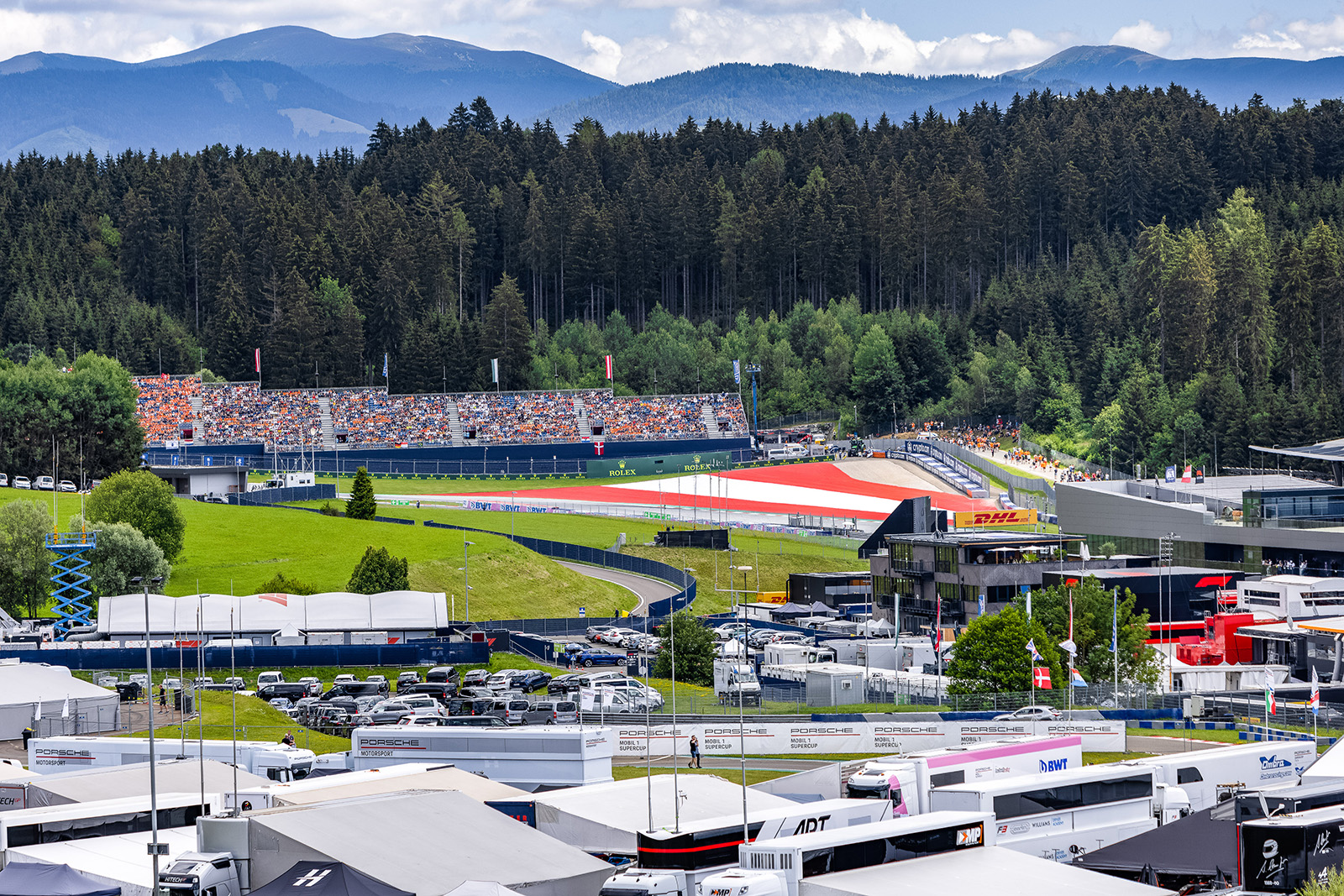
Fresh air. Take a deep breath. Inhale. One, two, three. Exhale. Close your eyes and you will see green mountains, alpine surroundings, lush forests, crystal clear lakes. It feels good right? Imagine to that, adding spas, towns surrounded by vineyards and artistic treasures. YES, the Region of Styria, in Austria, offers all of that. But stop, if to all of the above, we add that in that area, there is the historic Spielberg Circuit, that is already having too much on our hands. It is a paradise for sports lovers, both winter and summer, and hundreds of activities to enjoy surrounded by nature. Styria is the most bucolic and green region of the country and one of the regions with the highest density of forests in Europe; 60% of its territory is populated by forests, which is why it is called «The green heart of Austria«, a concept that fans and Eurocup-3 pilots fall in love with.

Three key things to do in Spielberg

1. Dive in the Grüner See. It’s amazing that you can enjoy Eurocup-3 and in less than an hour by car, you can immerse yourself in the Grüner See. It is a very special lake that appears in summer when temperatures rise and with it the mountains thaw. But in winter it is a park where you can walk. In fact, a series of benches are scattered to sit after a long walk; but when the water rises, they remain submerged. It’s surreal, fish swimming between the trees and the emerald green water. The plan is to hire a diving team and a guide. For 70 euros an hour, you can swim as if you were flying through the mountains. Then, you can explore the entire surroundings of the lake on a trekking route connected by trails and also another area that can be visited by bicycle. There are no excuses not to do sports!

2. Visit Graz. We find this city 70 km from the circuit. It is the largest in the Styria Region and is a must-see for architecture lovers. Walking through its cobbled streets, we will feel what the Habsburg dynasty saw among a disparate collection of Renaissance, Gothic, Baroque and even Art Noveau facades. This rich architectural mix was responsible, in part, for the historic center of Graz, known as ‘Altstadt‘, being named a World Heritage Site in 1999. You can close the afternoon on a corner next to a coffee and a Linz Cake: The oldest cake in the world. In 1653, the clarified butter tart filled with fruit appeared for the first time in a cookbook. Do you like the plan?.

3. Get to know Riegersburg Castle. If we reach the top of the tower, we will be 482 meters high on a rocky hill impregnable from any attack by the barbarians, Turkish and Hungarian invaders who were besieging the fortification. This is Riegersburg Castle, which incredibly was built on a dormant volcano. It can only be accessed on foot or by cable car. It was built in the 11th century, and modified in the 17th century, from which three kilometers of walls remain. The first gentleman known to have lived there was Rudiger von Hohenberg. Over the centuries the castle has had many different owners, today it is owned by the Prince of Liechtenstein. Of the 108 rooms of the castle, about 15 are open to the public showing its interior, it also has a museum of Witches, in the basement, where the black history of their persecution is discussed, and another museum about the history of the castle itself. From the outdoor terrace-bar, the views are fantastic.

THE PILOTS DIET

FOOD BALANCE

«Fast food? I don’t think so, we have to eat healthy,” says GRS Team driver Nikola Tsolov. With this phrase we already know that the Eurocup-3 drivers carry professionalism in every detail, thinking about their idols and references. “We are what we eat” is the phrase that is most repeated in thevisits from elite athletes, consultations with nutritionists andsports experts in food. Win in every detail,even in the foods they consume. “Eat breakfast with cereals,a little milk, not a lot, and also a little proteinlike a slice of ham and a little egg white. Besides,a natural juice. And nothing more,” Edo acknowledged in an interview.Bendinelli in 2023, Fernando Alonso’s personal trainer,knows very well why the Asturian driver continues competing at thatage. Your diet is essential to be among thebetter today. And it is like that, as Bendinelli says, because being a pilotof a single-seater, involves more than technical preparation andphysically, but also needs a specialized diet tothat the body has all the nutrients and energy that itloses during the race. In summary, the diets followed bypilots, are generally rich in fruits, vegetables and cereals, whichwhich promote the release of energy. For F4 and Eurocup-3 drivers, the diet is very similar. It is true that these are young people who are in physical, psychological and technical development, but that does not mean their diet is correct.to be very different. It’s almost the same. They are governed by a dynamic similar to that of an F1 driver, they need the same protein load and nutrients to maintain an adequate weight for their competition, all according to what has been studied about their weight, height and body indexes, which are independent of each pilot. Fast food? You’ll see that not…

THE WEIGHT RULE

Everything changed in 2019, when the FIA ​​introduced the parameter of80 kilos as maximum weight for drivers in F1. This mustinclude helmet, racing suit and boots. From there, the worknutritional status is at the limit of demands, especially fortaller pilots. For example today, in F1 Esteban Ocon measures1.86 meters and weighs 73 kilos. The shortest one is Yuki Tsunodawith 1.59 meters and 54 kilos. Before that rule came into effectvigor, each team could tell the drivers the specific weightthat they had to have, which often led to pilots despiteless than what is considered healthy. Therefore the rule pointsto lead a healthy life and not leave aside health oversport. The diets that F1 drivers follow aregenerally rich in fruits, vegetables and cereals whichThey promote the release of energy. CarbohydratesThey are consumed before and after exercise, and when preparedfor racing which helps them with performance. The proteinIt is consumed with each meal and after exercise to obtaingreater strength gain. Race day is special,because everything revolves around the loss of energy. CoachAlonso goes more into detail. Breakfast is a little stronger,since on race Sunday the driver eats very early, about threehours before the race, and there is not much food,the food is just a shot of what you needfor the race: carbohydrates and a little protein. Thats why hebreakfast is a little more important because it makes you endureall day until the end of the race, says Bendinelli.

AND THE VEGANS?

Dairy products, legumes, quinoa and nuts are alsovalid alternatives If an athlete is vegetarian or vegan (LewisHamilton), the requirements to compensate for animal proteinslosses will be higher, so it is good to have sourcessecondary protein in the nutritional plan. The protein ofrice -for example- contains all the essential amino acids thatrequires an individual athlete and is generally much morehealthy from a digestive perspective, compared towhey protein. Specialists recommend to pilotssports the consumption of complex carbohydrates (which areburn slowly), which provide more sustainable energyto wear during races and training dayslong. Foods like oats, brown rice, and someCereals are a source of fiber, as well as vitamins andminerals. The potassium and magnesium provided by brown riceThey will help in nerve transmission, muscle contraction, as wellas in the regulation of blood pressure and the maintenance ofhydration within the body. For its part, phosphorus alsoprovided by rice, regulates the pH within the body by bufferingexcess acids and alkalis.

5 BASIC POINTS IN THE PILOT’S DIET

1. HYDRATE: It is essential that a pilot always behydrated sometimes races are held in places withvery hot and humid climates. In addition, the pilot is seatedliterally next to the engine which emits a lot of heat. InRegarding their clothing, pilots wear 2 layers of clothingfire test, gloves and a helmet for periods of hours.All factors that contribute to a pilot losingbetween two to three kilos of body mass during astroke, which is equivalent to 2 or 3 liters of water.

2. CONSUME VITAMINS AND MINERALS: In one year,20 Grand Prix are held, tests are carried out,qualifying etc. The drivers travel through multipletime zones, with different climates and different cultures. Bywhat is necessary to increase the consumption of micronutrientsso that the pilots stay strong, focused and inshape.

3. VARIED DIET: It is of utmost importance that the diet of thepilot is varied, that is, it contains all the macro andmicronutrients otherwise could affect performance andto the pilot’s performance.

4. HAVE A BALANCE: It is necessary to maintain a goodbalance in the consumption of food and liquids tomaintain adequate energy levels, both outside andinside the track.

5. MANAGE TIMES: The times that a pilot has toeating are limited to very short spaces between theirdifferent commitments, so it is important that you have acorrect management of your times to be able to eat within hourssuitable.

6. PROTEINS: Regarding the percentage of carbohydrates andRecommended proteins for a pilot vary due to theirHeight and weight. A high diet is generally recommended.in protein, so that it allows them to release energy in a waycontrolled and be able to obtain a good recovery 50% ofcarbohydrates, 35% protein and 15% fat. But yourcaloric intake will depend on the specific needhave the pilot either to lose or gain weight. LouiseSutton, Director of Sports and Exercise Nutrition atCarnegie School of Sports (Leeds Beckett University),recently explained in an article that a pilot fromFormula 1 must take care of its nutrition with the same demands asany athlete who sweats his shirt on the fieldgame. In this sense, the specialist recommends, beforeEverything, maintain a high protein consumption. Not only will this help protect muscle mass, but it will alsowill promote muscle protein synthesis and developmentof the strength.

What to do in Spa-Francorchamps

The secret of the Castle

The Spa-Francorchamps Circuit hides a secret that all visitors must see. Especially for those who are only focused on racing, Because this is a pausa in the race. Only 20 kilometers by car, or on an incredible one-hour bicycle route through meadows, you can discover the heart of this secret. Because this place in Spa-Francorchamps takes you to the past as if you were in a time machine. Peace, silence, forest, birdsong and the sound of the wind. You feel in the Belgian medieval age. For history lovers and for those who love to visit places that keep secrets – yes or yes – you have to go to Chateau de Reinhardstein. Also known as Burg Matternich, it was built in 1354, it is believed to be built on a Gallo-Celtic fortification. It was Wenceslas of Luxembourg who granted permission for its construction to Renaud de Waimes. The castle was in German territory, but after being bombed in the First World War, this area was yielded to Belgium. Once the conflict was over, it was inherited for generations, passing through different owners of the Waimes family, until it became extinct. It then became the property of the Metternich family, until the French Revolution, when the property was seized and returned by France to the State of Belgium at the end of the 18th Century. The secret of the surrounding people was that there was a hidden treasure, so they began to deteriorate and destroy the construction. It was in 1965, when university professor Jean Overloop decided to discover and recover the castle in Spa-Francorchamaps. He lived in it until his death. Today it is private property, but you can enter with a guided tour at a price of 12 euros per person.    

A bath in golden liquid

In Belgium, after returning to the future, in this time machine, there is time to relax completely in Spa-Francorchamps. It’s time to explore something different, because at Spa-Francorchamps, beer is not only drunk, but we can also take a beer bath and relax our bodies immersed in this Belgian elixir. Or better, drink a very cold Belgian beer, but immersed in it, at a bubbling temperature of 35 degrees. There is a trend in this area of ​​Belgium, derived from wellness and the rejuvenating, relaxing benefits and with a high peeling content to purify the skin. Beer contains all the important B vitamins, plus vitamins A, D and E. In Belgium, these are Beerland and Beerspa, two brands that offer in Spa-Francorchamps, a one-hour session and two pints of beer for 40 euros. I wouldn’t even think about it. I am already there to explore this top attraction in Belgium. To eat, my recommendations are: Cote Proche, to try their specialty, which is baked duck. At Le Gastromme, the number one dish is the vegetarian quiche. At Le Coin des Saveurs, try the variety of desserts and the best coffee in Spa-Francorchamps. On weekdays, you can find a lunch menu, per person, between 17 and 24 euros. Don’t forget to eat, to have energy, discover and explore all these top attractions. 

You must have to visit the Circuit Museum

To close the day and not to leave aside your passion of Motorsport, which is finally what we came for – it is essential to go to the Spa-Francorchamps Circuit Museum, one of the top activities to do there. Located in the town of Savelot, just 10 kilometers from where the racing engines roar, this museum is built in the heart of the Savelot Abbey. To access it, we must enter through some medieval porticoes and go down to some catacombs. Therein lies the surprise. Hundreds of cars, parked next to each other, illuminated in a very chic style with that characteristic background that gives us a brick from the year 661 exposed to darkness and light. A marvel. For the most knowledgeable, for example there is The FN Grand Prix, winner of the Copa del Rey in the 24 Hours of Spa in 1925. Currently it is still in perfect condition. The Motorbike Prototype of 1986. The Ford Capri, winner of the 1979 24 hours, driven by the Martin brothers. Alain Prost’s Ferrari 641. The 1968 Porsche 910 – 6 cylinder driven in Spa by Hans Hermann. And one of the museum’s jewels, the Ferrari 365GTB4 «Daytona» V12, among more than 500 models that we cannot discover in this blog, you have to go there. The entrance costs 10 euros and the visit lasts approximately one hour.  Children under six years old enter have free access in all Belgium museums.

Sleep under the light of the stars 

In Belgium, the hotel offer is very wide, specially in Spa-Francorchamps. From the option of renting an apartment for a large family, at more affordable prices, between 80 and 200 euros per day. Even the opportunity to enjoy a five-star hotel with all the luxuries and comforts, for 500 euros per night. Yes, it is necessary and recommended that reservations be made well in advance, especially on race days, since there is a lot of demand. Another option is to visit Spa-Francorchamps in a caravan, and be able to sleep under the light of the stars and discover one of the best attractions of this area, nature, its forests, flora and fauna. There are about 50 campsites very well located near important towns and cities, which the children will undoubtedly appreciate very much. For all this, Spa-Francorchamps is one of the destinations in Europe that best combines motor sports, history, nature and family. 

Todos los detalles del coche de Eurocup-3

La Eurocup-3 será el estreno de una evolución única del Tatuus F3 T-318. Aunque técnicamente el coche no ha cambiado respecto al de 2023, lo que hace especial nuestra versión es el Aerokit exclusivo que incorporamos. Este Aerokit aporta un extra único dividido en los siguientes elementos: los pontones (sidepods), el kit del alerón delantero, el kit del alerón trasero, el intercooler y el kit de batería.

Disfrutamos del Tatuus durante la temporada pasada y, en su estreno de 2024 en Spa-Francorchamps, volveremos a capturar las mejores imágenes de su diseño estilizado. Las alas y superficies aerodinámicas han sido estudiadas por los ingenieros de Tatuus para garantizar un alto rendimiento y carga aerodinámica, desde los alerones delantero y trasero hasta los soportes laterales. El desarrollo técnico del coche sigue las últimas normativas y tendencias de diseño en los monoplazas de fórmula.

El motor: el corazón del coche

El motor elegido es el Alfa Romeo-Autotecnica Motori 1750 cc, de 4 cilindros en línea, turboalimentado y con alrededor de 275 CV. Es una mecánica muy probada y de altas prestaciones en el panorama de los monoplazas, lo que ha permitido a muchos pilotos crecer en rendimiento, confianza y títulos en distintos campeonatos a lo largo de los años.
Como sucede con los modelos Tatuus F4 y F3R, el F3 T-318 está diseñado para ser el paso ideal para jóvenes pilotos —quienes normalmente compiten en Eurocup-3— en su transición del karting al mundo de las fórmulas. Un monoplaza pensado para aumentar el nivel de rendimiento y desarrollar talento real.

En cuanto a los aspectos técnicos: https://eurocup3.org/about/the-car

Tatuus: Made in Italy

Fundada en 1980, Tatuus Racing es una compañía líder en la producción y desarrollo de monoplazas para Fórmula 4, Fórmula Regional 3 y Eurocup-3. La sede de Tatuus está ubicada en Lainate, en la frontera con Arese, un lugar histórico para la tradición del automovilismo italiano. Más de 4.000 metros cuadrados donde antes se encontraba la sede de Alfa Romeo, a pocos metros de su pista de pruebas. Hoy en día, Tatuus trabaja junto a Autotecnica Motori, fundada en 1977 y también una empresa líder en el diseño y producción de monoplazas y motores para competiciones de fórmula. Autotecnica tiene la particularidad de desarrollar motores desde cero hasta un producto listo para competir: abarcando internamente todo el proceso de diseño, desarrollo, construcción, pruebas y victorias. La sede de Autotecnica se encuentra en Casalmaggiore, Cremona, en el corazón de la Motor Valley italiana.

We are ready

Sign to our newsletter to keep track of the championship

Suscribe to our newsletter

Suscribe to our newsletter