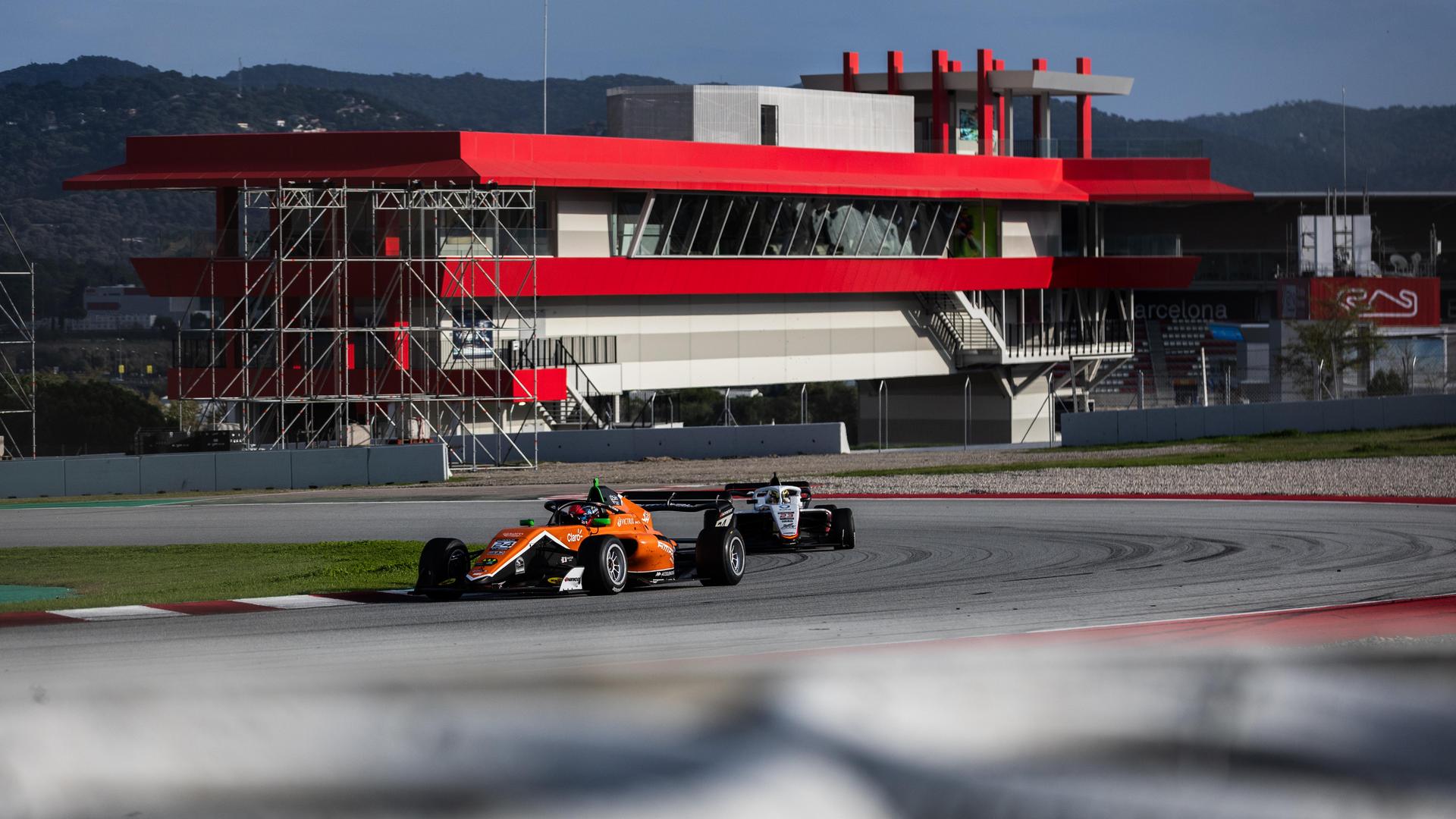
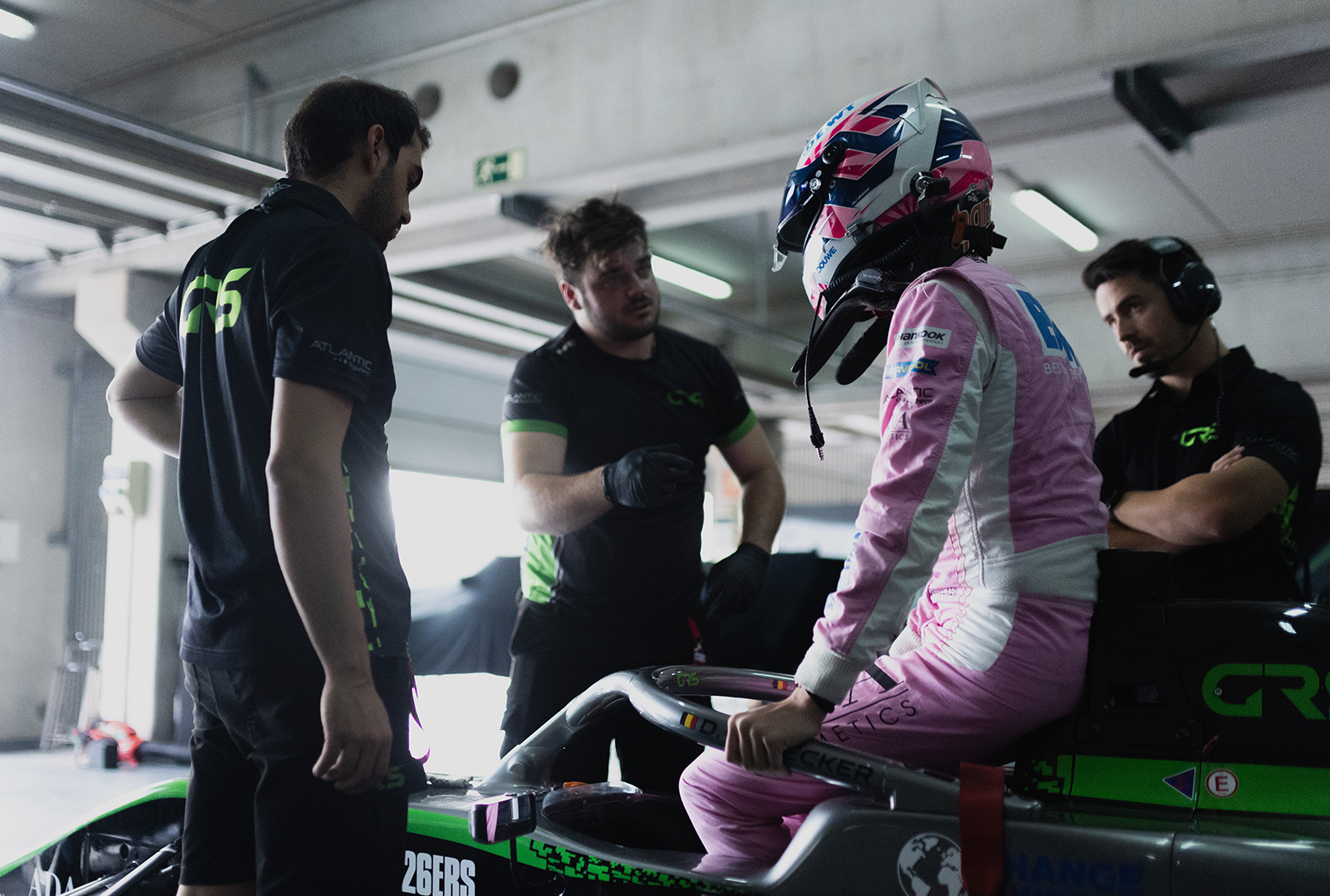
In motorsport, success isn’t just about speed; it’s about strategy, adaptability, and honing your skills in real-time. One race format that’s been creating waves in the motorsport world is the reverse grid race. Especially in events like Eurocup-3, this format not only adds excitement but is also a game-changer when it comes to developing drivers. In this article, we’ll explain how reverse grid races work and why they are crucial for shaping better, more versatile drivers.
1. What is a Reverse Grid Race?
In traditional racing, the starting grid is determined by the qualifying session, with the fastest driver at the front. However, in a reverse grid race, the order is flipped. The driver who finishes last in the previous race starts from pole position, while the winner takes the back spot. This twist brings in a whole new set of challenges for both the fast drivers and those starting from the back, pushing them to showcase different skills.
In Eurocup-3, reverse grid races are often implemented in Rounds 2 and 3, where the Top 8 drivers are reversed. This creates extra excitement and unpredictability, especially in sprint races, where quick overtaking, tire management, and strategy play a huge role.
2. Why Reverse Grid Races Benefit Drivers
Reverse grid races aren’t just about making things more thrilling—they’re a powerful tool for driver development. Here’s why:
a) Promoting Adaptability
In a traditional race, drivers typically start near the front, with the goal of maintaining or improving their position. In reverse grid races, however, drivers start at the back, which forces them to make their way through traffic. This requires quick decision-making, adapting to different race conditions, and mastering overtakes—skills that every successful driver needs. Eurocup-3 drivers who race in reverse grid formats learn to handle a variety of racing situations, preparing them for tougher challenges ahead.
b) Strategic Thinking and Quick Decisions
In reverse grid races, the stakes are higher, and every move matters more. Drivers must think ahead, predict their competitors’ moves, and take calculated risks. This teaches them to balance speed with the importance of positioning and racecraft. For young drivers in Eurocup-3, it’s a valuable opportunity to sharpen their decision-making abilities—a skill they’ll need in higher categories like Formula 3.
c) Improved Racecraft and Overtaking Skills
Overtaking is one of the most critical skills for a driver, and reverse grid races put that skill to the test. Starting at the back means drivers must make quick, clean overtakes, often in tight spaces. This helps them refine their racecraft—understanding when and how to overtake without risking a crash or tire damage. By participating regularly in reverse grid races, Eurocup-3 drivers improve these crucial skills, which will give them a competitive edge as they move up the motorsport ladder.
3. Impact on Championship Results
Reverse grid races don’t just affect individual drivers; they impact the overall dynamics of the championship. With a mixed-up starting grid, it’s harder to predict who will come out on top, making every race more exciting and unpredictable. For fans, this creates a championship filled with surprises, where any driver, regardless of their starting position, has a shot at success. In Eurocup-3, this unpredictability keeps fans engaged and on the edge of their seats, knowing that every race can have a different outcome.
4. Leveling the Playing Field
One of the best things about reverse grid races is that they give every driver a chance to shine, no matter where they finished in the previous race. This helps keep the competition close and gives less experienced drivers a shot at earning valuable points. In Eurocup-3, this format creates a balanced playing field where every driver gets the chance to showcase their talent, boosting their confidence and further developing their skills.
5. Better Preparation for Future Challenges
Reverse grid races aren’t just beneficial in the moment; they prepare drivers for the future. By forcing them to adapt to different situations—like starting from the back and racing under pressure—drivers gain invaluable experience. For many Eurocup-3 drivers who aim for Formula 3, Formula 2, or even Formula 1, these races provide essential preparation for the more intense and competitive environments they will face. Excelling in reverse grid races means that these drivers are more than ready for the challenges ahead.
Reverse grid races are more than just a fun twist in the racing format; they’re a key element in shaping well-rounded, adaptable, and skilled drivers. In Eurocup-3, this format helps young drivers improve their adaptability, strategic thinking, racecraft, and overtaking abilities—skills that are essential as they progress to higher levels of motorsport. So, the next time you watch a reverse grid race, remember: it’s not just about who wins—it’s about how each driver develops through the experience.