Blog

Dallara 326: redefining a new era in Eurocup-3  

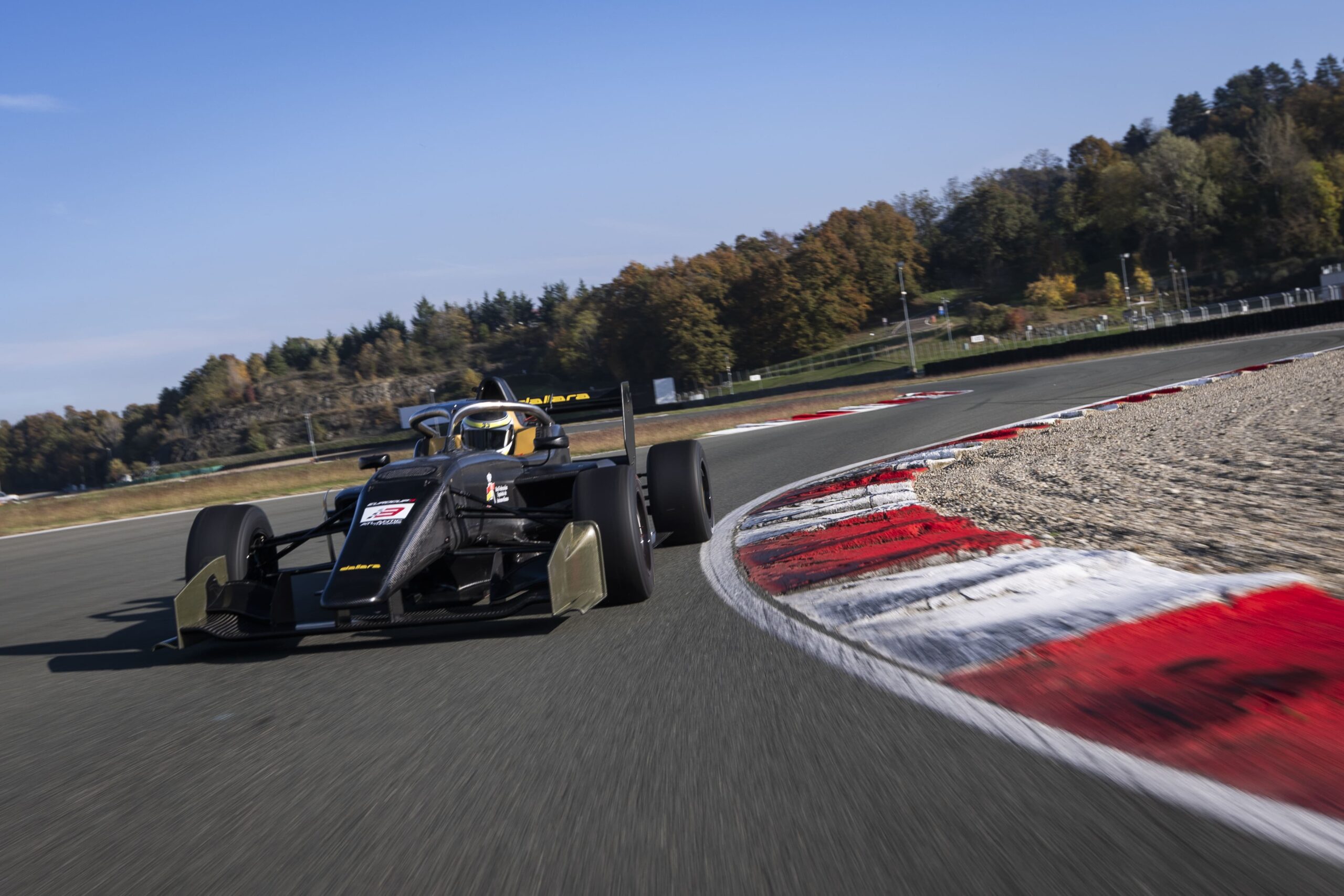
The 2026 season of Eurocup-3 marks a turning point in the single-seater ladder towards Formula 1. Beyond the calendar, teams, or drivers, the real protagonist of this evolution is the Dallara 326 (D326) — a car that doesn’t just improve on its predecessor, but redefines the technical standard of the category.

A generational leap forward  

The Dallara 326 builds on the foundations of the successful Dallara 320, but introduces key upgrades that elevate performance, safety, and overall driving experience.

This is the most significant technical step since the championship’s launch in 2023. The ambition is clear:
to close the gap between junior formulas and top-tier single-seater racing.

Aerodynamics and safety at the core  

One of the main pillars of the D326 is its aerodynamic evolution. The car has been redesigned to deliver greater downforce and efficiency, allowing drivers to better understand high-performance race dynamics.

At the same time, safety remains a top priority, with the integration of advanced FIA standards:

  • Reinforced survival cell
  • Front and rear impact structures (FIS & RIS)
  • Titanium halo
  • Optimised crash structures

This combination ensures that the D326 is not only faster, but also safer and more aligned with modern single-seater requirements.

Powered by Toyota and TOM’S Technology

At the heart of the D326 lies a completely new power unit:

  • Toyota TGE33 – 1.6L turbocharged 3-cylinder engine
  • Developed by TOM’S
  • Maintained centrally by ENGISER 101

This engine has been designed with three core principles:

  • Efficiency
  • Reliability
  • Technology transfer from top-level motorsport programs

The result is a powertrain that not only delivers performance, but also prepares drivers for the complexity of modern racing.

A high-level technical ecosystem  

The Dallara 326 operates within a technical ecosystem that mirrors higher categories:

  • Hewland gearbox
  • ZF Sachs clutch
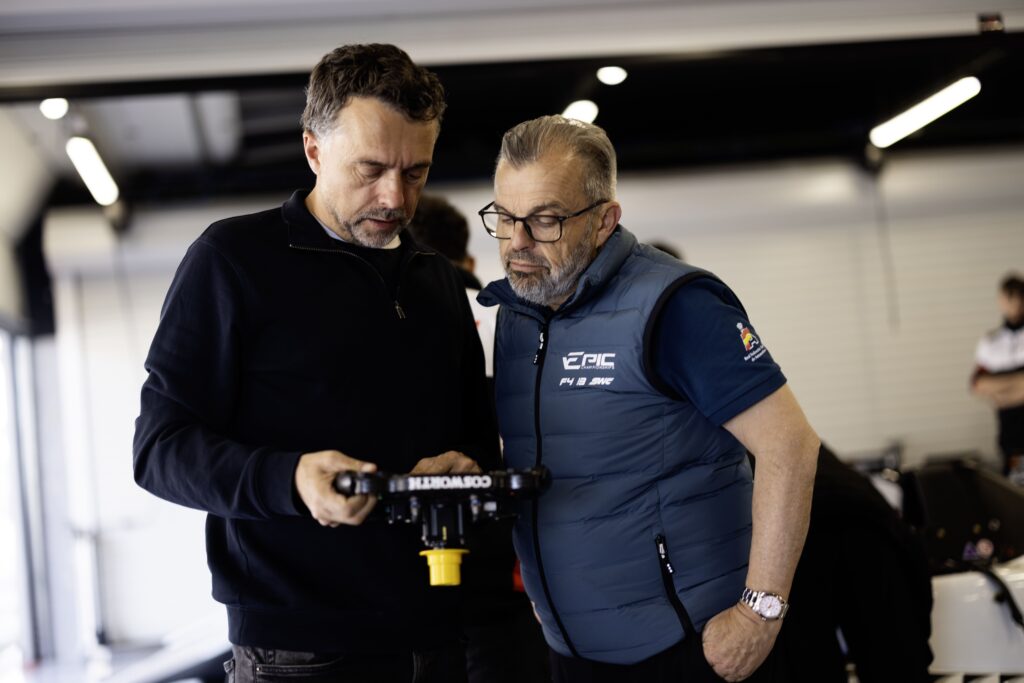
  • Cosworth electronics
  • Hankook tyres
  • PFC Brakes

Additionally, the integration of the Electronic Marshalling System allows drivers to receive real-time race control signals directly in the cockpit — a feature aligned with FIA Formula 3 standards.
More than a car: a development platform  

The D326 is not just a machine — it’s a development tool.

Eurocup-3 positions itself as a high-performance training ground where drivers learn to:

  • Manage tyre degradation
  • Analyse advanced telemetry
  • Understand aerodynamic balance
  • Work closely with engineers and data teams

All of this takes place on world-class circuits such as Monza, Spa, and Silverstone, reinforcing the category’s role as a true stepping stone.

Closer than ever to Formula 3  

With the introduction of the D326, Eurocup-3 significantly narrows the gap to FIA Formula 3 in terms of technology and driving experience.

This evolution strengthens its position as a key intermediate step between Formula 4 and the highest levels of motorsport, offering:

  • Controlled costs
  • High technical standards
  • International exposure

And most importantly, a competitive environment where every detail matters.

Conclusion: the beginning of a new era  

The Dallara 326 represents more than just a technical upgrade — it signals a shift in the philosophy of driver development.

Faster, safer, and closer to the elite, this new generation car transforms Eurocup-3 into one of the most complete development platforms in Europe.It’s not just a new car.
It’s a bridge to the next level.

From F4 to Eurocup-3: How the Cars (and the Competition) Evolve  

For young drivers chasing a professional career in single-seater racing, the step from Formula 4 to Eurocup-3 is one of the most important transitions in their development. It’s not just a move up the ladder — it’s a real evolution in performance, engineering, racecraft and mental approach. In this article, we break down how the cars evolve, how the level of competition intensifies, and why Eurocup-3 represents the perfect bridge between junior formula racing and the international professional stage.

The F4 Starting Point: Learning the Foundations  

Formula 4 is designed as the entry category into single-seater racing. It’s where raw talent begins to take shape.

What defines an F4 car?  

  • Lower aerodynamic load, allowing drivers to focus on mechanical grip
  • Limited setup freedom, keeping the competition close and cost-controlled
  • Standardised machinery, where driver skill makes the biggest difference

At F4 level, drivers learn the essentials:

  • Braking technique and consistency
  • Race starts and wheel-to-wheel fighting
  • Tyre management basics
  • Working with engineers and data

F4 is about education through competition. It builds the technical and mental foundations needed to progress.

Eurocup-3 Cars: More Downforce, More Precision, More Responsibility  

Stepping into Eurocup-3 means entering a different dimension of performance.

How the Eurocup-3 car evolves  

Compared to F4, Eurocup-3 single-seaters offer:

  • Significantly higher aerodynamic downforce
  • More powerful engines
  • Greater setup complexity
  • Advanced data analysis requirements

Every input matters more. Small mistakes are amplified, and precision becomes non-negotiable.

Drivers must adapt quickly to:

  • Higher cornering speeds
  • Later braking zones
  • Increased physical demands
  • More sensitive tyre behaviour

In Eurocup-3, the car rewards accuracy — and exposes any weakness.

From Learning to Executing: The Competitive Jump  

The evolution isn’t only mechanical. The competition itself changes dramatically.

What makes Eurocup-3 competition tougher?  

  • Drivers arrive with multiple seasons of F4 experience
  • Grids are filled with international talent
  • Teams operate at a higher technical level
  • Strategy and consistency play a bigger role across a race weekend

In Eurocup-3, it’s no longer enough to be fast over one lap. Drivers must:

  • Deliver consistent performance across sessions
  • Understand strategy and race management
  • Handle pressure and long-term championship thinking

This is where drivers begin to race not just for positions — but for careers.

Why Eurocup-3 Is the Natural Next Step After F4  

Eurocup-3 is designed as a key development platform in the single-seater ladder. It bridges the gap between entry-level formulas and higher international championships.

It offers:

  • A clear technical progression from F4
  • Highly competitive, international grids
  • Professional team structures
  • Circuits that prepare drivers for the next level

For drivers ready to take responsibility for performance — both on and off track — Eurocup-3 represents the perfect challenge.

From Potential to Performance  

The journey from F4 to Eurocup-3 is where potential is tested and transformed into performance. Faster cars, tougher competition and higher expectations shape drivers into complete racing professionals.

In Eurocup-3, evolution is no longer optional.
It’s the standard. And for those who rise to the challenge, it’s where the future truly begins.

How Reverse Grid Races Work—and Why They Make Better Drivers

In motorsport, success isn’t just about speed; it’s about strategy, adaptability, and honing your skills in real-time. One race format that’s been creating waves in the motorsport world is the reverse grid race. Especially in events like Eurocup-3, this format not only adds excitement but is also a game-changer when it comes to developing drivers. In this article, we’ll explain how reverse grid races work and why they are crucial for shaping better, more versatile drivers.

1. What is a Reverse Grid Race?  

In traditional racing, the starting grid is determined by the qualifying session, with the fastest driver at the front. However, in a reverse grid race, the order is flipped. The driver who finishes last in the previous race starts from pole position, while the winner takes the back spot. This twist brings in a whole new set of challenges for both the fast drivers and those starting from the back, pushing them to showcase different skills.

In Eurocup-3, reverse grid races are often implemented in Rounds 2 and 3, where the Top 8 drivers are reversed. This creates extra excitement and unpredictability, especially in sprint races, where quick overtaking, tire management, and strategy play a huge role.

2. Why Reverse Grid Races Benefit Drivers  

Reverse grid races aren’t just about making things more thrilling—they’re a powerful tool for driver development. Here’s why:

a) Promoting Adaptability  

In a traditional race, drivers typically start near the front, with the goal of maintaining or improving their position. In reverse grid races, however, drivers start at the back, which forces them to make their way through traffic. This requires quick decision-making, adapting to different race conditions, and mastering overtakes—skills that every successful driver needs. Eurocup-3 drivers who race in reverse grid formats learn to handle a variety of racing situations, preparing them for tougher challenges ahead.

b) Strategic Thinking and Quick Decisions  

In reverse grid races, the stakes are higher, and every move matters more. Drivers must think ahead, predict their competitors’ moves, and take calculated risks. This teaches them to balance speed with the importance of positioning and racecraft. For young drivers in Eurocup-3, it’s a valuable opportunity to sharpen their decision-making abilities—a skill they’ll need in higher categories like Formula 3.

c) Improved Racecraft and Overtaking Skills  

Overtaking is one of the most critical skills for a driver, and reverse grid races put that skill to the test. Starting at the back means drivers must make quick, clean overtakes, often in tight spaces. This helps them refine their racecraft—understanding when and how to overtake without risking a crash or tire damage. By participating regularly in reverse grid races, Eurocup-3 drivers improve these crucial skills, which will give them a competitive edge as they move up the motorsport ladder.

3. Impact on Championship Results  

Reverse grid races don’t just affect individual drivers; they impact the overall dynamics of the championship. With a mixed-up starting grid, it’s harder to predict who will come out on top, making every race more exciting and unpredictable. For fans, this creates a championship filled with surprises, where any driver, regardless of their starting position, has a shot at success. In Eurocup-3, this unpredictability keeps fans engaged and on the edge of their seats, knowing that every race can have a different outcome.

4. Leveling the Playing Field  

One of the best things about reverse grid races is that they give every driver a chance to shine, no matter where they finished in the previous race. This helps keep the competition close and gives less experienced drivers a shot at earning valuable points. In Eurocup-3, this format creates a balanced playing field where every driver gets the chance to showcase their talent, boosting their confidence and further developing their skills.

5. Better Preparation for Future Challenges  

Reverse grid races aren’t just beneficial in the moment; they prepare drivers for the future. By forcing them to adapt to different situations—like starting from the back and racing under pressure—drivers gain invaluable experience. For many Eurocup-3 drivers who aim for Formula 3, Formula 2, or even Formula 1, these races provide essential preparation for the more intense and competitive environments they will face. Excelling in reverse grid races means that these drivers are more than ready for the challenges ahead.

Reverse grid races are more than just a fun twist in the racing format; they’re a key element in shaping well-rounded, adaptable, and skilled drivers. In Eurocup-3, this format helps young drivers improve their adaptability, strategic thinking, racecraft, and overtaking abilities—skills that are essential as they progress to higher levels of motorsport. So, the next time you watch a reverse grid race, remember: it’s not just about who wins—it’s about how each driver develops through the experience.

How Eurocup-3 Prepares Drivers for the Demands of F3 and Beyond

When it comes to climbing the motorsport ladder, few categories bridge the gap between Formula 4 and Formula 3 as effectively as Eurocup-3. Conceived as a championship that blends technical excellence, international competitiveness, and driver development, Eurocup-3 has become a true launchpad for future Formula stars.

1. The Essential Step Between F4 and F3  

After mastering the foundations in F4, young drivers face a crucial transition: adapting to faster cars, higher downforce, and more complex data analysis. Eurocup-3 provides the perfect environment for that leap — combining the accessibility of F4 with the professional structure and technical rigor of F3.

The championship’s format mirrors higher categories: multiple races per weekend, advanced telemetry, and competitive international circuits like Spa-Francorchamps, Red Bull Ring, and Monza. Each event is designed to replicate the intensity and pressure that drivers will later encounter in FIA Formula 3.

2. Technical Preparation That Mirrors the Next Level  

Eurocup-3 isn’t just about speed — it’s a technical school for future professionals. In 2026, the series will take a major step forward with Dallara chassis and TOM’S engines, matching the engineering standards of the most prestigious series in the world.

These upgrades mean drivers learn to manage performance, tyre degradation, and aerodynamic efficiency at a level nearly identical to F3. Working alongside engineers, coaches, and data analysts, participants develop skills that go far beyond the cockpit — the same skills demanded in the elite categories.

3. A Championship That Builds Champions  

The results speak for themselves. In just two completed seasons, Eurocup-3 has seen multiple graduates advance to FIA F3 and other high-profile championships, validating its role as a credible and proven pathway toward Formula 1.

The championship’s vision — captured in its motto “Where Legends Are Born” — reflects that mission: to identify, prepare, and showcase emerging talent. Every lap counts, and every driver has the opportunity to prove their readiness for the next stage.

4. International Exposure and Media Visibility  

Competing across Europe, Eurocup-3 offers global exposure to teams, sponsors, and media outlets. Live streaming, on-site activations, and high-quality digital storytelling help drivers build their personal brand from an early stage — a skill as valuable as performance itself in today’s motorsport ecosystem.

Eurocup-3 amplifies each driver’s visibility, helping them attract future opportunities and sponsorships while engaging fans worldwide.

5. The Road Ahead: Innovation and Opportunity  

As the series evolves, Eurocup-3 continues to push the limits of innovation, aligning with partners such as Dallara, TOM’S, and Engiser 101 to deliver top-tier technology and performance. The result is a category that not only prepares drivers for F3 — it redefines what driver development means in the modern era.

Eurocup-3 stands as more than just a racing championship. It is a proving ground for future F1 talent, a platform where engineering precision meets human ambition. By offering the perfect blend of technical excellence, affordability, and exposure, it ensures that when its drivers reach F3 — they are not just ready to compete. They’re ready to win.

The Anatomy of a Racing Suit: Safety Meets Style  

When drivers line up on the Eurocup-3 grid, every detail matters—down to the very suit they wear. A racing suit is more than just a uniform. It’s a high-tech piece of safety equipment designed to protect drivers, while also reflecting the personality and identity of the team. In motorsport, safety meets style in the purest way.

Fireproof Protection: The Core of Safety  

The foundation of every racing suit is Nomex, a lightweight, fire-resistant fabric. Developed for motorsport and aerospace, it provides drivers with crucial protection against fire and extreme heat. In the event of an accident, the suit buys valuable seconds, allowing drivers to escape safely.

Each suit must comply with the FIA safety standards, which means multiple layers of Nomex are carefully stitched to balance protection with comfort. Breathability and weight reduction are essential, ensuring that drivers can perform at their physical peak even in intense conditions.

Ergonomic Design: Built for Performance  

Beyond fire protection, racing suits are engineered with ergonomics in mind. Pre-curved arms and legs allow for freedom of movement inside the cockpit, while stretch panels around the shoulders, back, and waist provide flexibility during high-G maneuvers.

Moisture-wicking inner linings keep the driver cool, and perforated panels improve ventilation. Comfort is not a luxury—it’s a performance advantage.

Team Identity: A Canvas for Style  

Every Eurocup-3 team uses the racing suit as a statement of identity. Bright colors, logos, and custom designs transform the suit into a moving billboard for sponsors while reinforcing the driver’s personal brand.

From bold stripes that echo speed to national flags proudly displayed on the chest, the suit tells a story before the lights even go out. Fans recognize their favorite drivers at a glance, and sponsors gain visibility at every corner of the circuit.

Innovation in Every Stitch  

Modern racing suits are the result of decades of innovation. Lighter than ever before, they combine safety, comfort, and aerodynamics. Teams now work with leading manufacturers to integrate cutting-edge textiles and tailoring that reduce bulk without compromising protection.

For Eurocup-3 drivers, this evolution means being able to focus entirely on racing—knowing their suit is a reliable ally.

Safety Meets Style in Eurocup-3  

The anatomy of a racing suit perfectly reflects the DNA of Eurocup-3: leadership, competition, and passion. Safety ensures drivers can push limits, design reinforces identity, and style adds the final touch of personality.

In the end, a racing suit is more than clothing. It’s a symbol of motorsport itself—where technology, performance, and emotion come together.

Why Eurocup-3 Is a Must-Watch for Talent Scouts and Motorsport Fans

At Eurocup-3, we’ve always believed that junior motorsport deserves more than just a place to learn—it deserves a platform to shine. And that’s exactly what our championship has become: a launchpad for tomorrow’s stars and a front-row seat for those scouting the future of racing.

As we gear up for our most ambitious season yet, here’s why Eurocup-3 is capturing the attention of teams, scouts and motorsport fans across the globe.

The Rookie Era Has Begun

One of the most striking trends of our 2025 season is clear: rookies aren’t here to learn—they’re here to win.

Over half of the current Top 10 in the standings are first-year drivers. Names like Ernesto Rivera, Mattia Colnaghi and reigning champion Christian Ho are redefining what it means to be a rookie—racking up poles, victories and commanding performances from their very first outings.

Their success proves that Eurocup-3 is not just a training ground—it’s a stage where young drivers can immediately prove their value.

An International Challenge with World-Class Circuits

In 2025, Eurocup-3 returns with a truly international calendar, featuring some of the most iconic circuits in Europe: Spa-Francorchamps, Monza, MotorLand Aragón and more.

This diversity of tracks ensures our drivers are constantly tested on different surfaces, climates and layouts—developing the versatility and resilience required for higher-level series like F3 or F2.

For talent scouts, it’s the ideal environment to evaluate a driver’s consistency, adaptability and racecraft under pressure.

TOM’S Engines Join the Grid, Backed by Dallara

This season, Eurocup-3 enters a new era of performance and technical excellence.

We’re proud to introduce TOM’S engines to our championship—marking the arrival of one of the most respected names in Japanese motorsport engineering to the European scene. Combined with our ongoing partnership with Dallara, the result is a package that sets the standard for single-seater development in junior racing.

For drivers, this means racing in conditions that reflect the highest levels of motorsport.
For teams and scouts, it means clear benchmarking against elite performance expectations.

Pure Racing. Every Weekend.

The Eurocup-3 format leaves no room for comfort zones.

With tight technical regulations, reversed-grid sprint races and competitive parity, every session matters. Drivers must fight for every tenth, every position, every point. There are no easy weekends—and that’s exactly the point.

Whether it’s a last-lap overtake or a pole position under pressure, the racing here reveals who’s ready for the next step.

The Future Starts Here

Eurocup-3 is not a rehearsal—it’s a championship in its own right. And as we continue to raise the bar on and off the track, we invite scouts, fans and partners to join us in shaping the next generation of motorsport.

The future is already behind the wheel. Come watch it unfold.

Rookies Take Over: The Phenomenon Shaking Up Eurocup-3 2025  

The 2025 Eurocup-3 season is making one thing very clear: the rookies didn’t come to learn—they came to win. As the championship unfolds, one number says it all: seven of the top ten drivers in the overall standings are rookies. In a category known for blending youth and experience, the newcomers are leading the charge.

A Generation That Refuses to Wait  

This year, the rookies are rewriting the script. They’re not just collecting podiums and poles—they’re leading races, winning wheel-to-wheel battles, and dominating entire weekends with a level of maturity rarely seen from first-year drivers. The clearest example is Ernesto Rivera (Campos Racing), not only the highest-ranked rookie, but the current championship leader. His victories in Portimão and Monza were no fluke—they were the result of strategic precision and remarkable composure. Hot on his heels is another debutant hungry for the title: Mattia Colnaghi (MP Motorsport), who dazzled from the very first race at Red Bull Ring and continues to fight for podiums at every round.

More Than Promises: Proven Performers  

Other names like James Egozi (Palou Motorsport), Maciej Gładysz (KCL by MP Motorsport), Jules Caranta (Campos Racing), Enzo Tarnvanichkul (Campos Racing), and Andrés Cárdenas (MP Motorsport) don’t just round out the top ten—they do so by consistently scoring points, making bold overtakes, and bringing the show to every race weekend. All of them have already reached the podium or come within tenths of a second from doing so. This rookie pressure has raised the bar across the grid. More experienced drivers, far from relaxing, have been forced to respond to a new wave of talent that’s come to shake up the hierarchy—starting from the very first lights out.

A Championship Tighter Than Ever  

The rise of the rookies has brought not only excitement but also unprecedented parity in the title fight. Points margins are razor-thin, results change every weekend, and no one can afford to ease off. The overall standings are more volatile than ever, and any mistake—or flash of brilliance—can alter the course of the championship.

All of this has made each race unpredictable. Pole positions no longer have a clear owner. Neither do victories. And the title fight is wide open… with the rookies leading the way.

Eurocup-3 2025 isn’t just another season. It’s the season of the rookies.
And if they keep this pace, it may also become the season of records, surprises, and the rise of a new generation ready to rewrite the future of motorsport.

How Weather Changes Everything: Rain, Wind and Strategy in Racing

In Eurocup-3, every corner, every overtake and every tenth of a second matters. But when weather comes into play, everything can change. Rain, wind, and shifting track conditions not only affect car performance—they demand flawless strategic thinking from drivers and teams alike. So, how does weather impact the outcome of a race? Let’s find out.

1. Rain: the great equalizer

When the rain starts falling, the track becomes a completely different battlefield. Braking distances grow, grip drops drastically, and visibility gets worse. For rookies, it can be a nightmare. For experienced drivers, an opportunity. Wet-weather tyres come into play, and the key lies in managing aquaplaning and maintaining the right temperature. Rainy races often lead to surprises: bold drivers move up the ranks, while mistakes come at a high cost.

2. Wind: the invisible enemy

You can’t see it—but you can feel it. Crosswinds can unsettle a car on the straight or shift its behaviour in high-speed corners. In Eurocup-3, where aerodynamics make a big difference, gusts of wind can alter the balance on the front or rear wing, affecting stability. Engineers must fine-tune the setup, and drivers must adapt their racing line accordingly.

3. Track temperature: the key to tyre strategy

A cold track reduces grip. A track that’s too hot can destroy tyres. Every team closely monitors asphalt temperature to decide precisely when to push or hold back. Overheating can lead to performance loss, while smart thermal management can be the difference between stepping onto the podium or finishing out of the points.

4. Eurocup-3 and the most unpredictable races

Over the seasons, we’ve witnessed real weather challenges: unexpected downpours at Spa, tricky crosswinds in Monza, or extreme heat in Jerez. Each track has its own “weather personality,” and the teams know it well. In 2025, drivers face one of the most open and competitive seasons in history—and weather will be a key player in that storyline.

📍 Fan tip: if you’re following a race live, check the weather forecast. In Eurocup-3, weather isn’t a minor detail—it’s part of the battle. And when the clouds roll in, that’s when true talent shines.

Sustainability in Motorsport: Initiatives and Challenges

Motorsport has long been associated with speed, high-performance engineering, and cutting-edge technology. However, the industry has faced increasing pressure to address its environmental impact in recent years. As a sport that requires significant energy consumption, both on and off the track, motorsport has had to rethink its approach to sustainability. This shift is especially evident in F1, the pinnacle of motorsport, which has introduced several initiatives aimed at reducing its carbon footprint while maintaining its thrilling nature.

F1’s Push for Sustainability

In 2019, F1 announced an ambitious sustainability plan, aiming to become a net-zero carbon sport by 2030. This initiative marked a turning point for the championship, with a focus on both the race cars and the logistics involved in transporting teams, equipment, and staff across the globe.

One of the most significant advancements is the development of hybrid engines, which have been part of F1 since 2014. These power units combine an internal combustion engine with electric motors, making them far more efficient than their predecessors. In 2026, F1 plans to introduce a new generation of engines that will run on 100% sustainable fuels, further reducing the sport’s reliance on fossil fuels.

Another critical area of focus is reducing the carbon footprint associated with F1’s global operations. Transporting race cars, teams, and equipment across multiple continents contributes significantly to emissions. To address this, F1 has been working with logistics partners to optimize transportation routes and reduce unnecessary freight. Teams are also encouraged to adopt more sustainable practices in their operations, such as using renewable energy sources in their factories and at race venues.

Beyond the technical and operational changes, F1 has embraced sustainability in its fan engagement. The sport has begun incorporating initiatives such as carbon offset programs, encouraging fans to take more environmentally friendly transportation options when attending races and reducing plastic waste at events.

The Role of Drivers: Sebastian Vettel’s Leadership

While the F1 organization has spearheaded these sustainability efforts, drivers have also played a crucial role in advocating for a greener future for motorsport. One of the most vocal figures in this regard has been four-time world champion Sebastian Vettel.
Over the last few years of his career, Vettel has become a passionate advocate for environmental issues, often using his platform to raise awareness about the importance of sustainability.

Vettel’s actions off the track have been just as impactful as his performances on it. He has participated in various environmental initiatives, including beach clean-ups and promoting biodiversity. He also converted his race helmet into a symbol of environmental activism, displaying messages advocating for climate action and sustainability.

In addition to his environmental advocacy, Vettel has spoken out about the need for the sport to lead by example. He believes that motorsport, with its global reach and technological expertise, is uniquely positioned to drive innovation in sustainable practices. His commitment to these values earned him widespread respect within and beyond the motorsport community.

Expanding Efforts to Feeder Series

Sustainability efforts are not exclusive to F1. Feeder series, such as Formula 2, Formula 3, Eurocup-3, and the F4 Spanish Championship, are also aligning with environmental goals to ensure that sustainability practices are ingrained in future motorsport talent.
These categories are exploring greener technologies, sustainable fuels, and carbon footprint measurement. The Real Federación Española de Automovilismo (RFEDA), in particular, launched a Decarbonization Plan for 2023-2030 to support events like the Spanish Karting Championship, the Spanish Alternative Energies Championship, Eurocup-3, and F4 Spanish Championship in their journey to reduce emissions and adopt sustainable practices. Supported by NTT Data and RACE, this initiative aligns motorsport with the UN’s Sustainable Development Goals, reinforcing RFEDA’s commitment to a more sustainable future in racing.

Challenges Ahead

Despite the positive momentum, the road to making motorsport truly sustainable remains challenging. The nature of the sport, with its reliance on high-speed vehicles and frequent global travel, poses significant obstacles. Developing fully sustainable technologies for race cars that maintain their competitive edge will require continued investment in research and innovation.

Furthermore, aligning the sport’s sustainability goals with the commercial interests of teams, sponsors, and race organizers presents its own set of challenges. Achieving carbon neutrality will require collaboration across all levels of the sport, from the governing bodies to the fans themselves.

Conclusion

The journey towards a more sustainable motorsport industry is complex, but the progress made by F1, RFEDA’s initiatives in feeder series, and the leadership shown by figures like Sebastian Vettel offer hope. By embracing hybrid technology, committing to 100% sustainable fuels, and implementing carbon reduction strategies, motorsport is gradually shifting towards a greener future. As the sport continues to evolve, its ability to balance performance with environmental responsibility will define its legacy in the fight against climate change.

Motorsport may have started as a celebration of speed and engineering, but in the 21st century, it has the potential to become a leader in sustainable innovation.

Revamping the Thrill: The Latest Upgrades at Circuit de Barcelona-Catalunya

As the Eurocup-3 season wraps up with the thrilling final round at the renowned Circuit de Barcelona-Catalunya, it’s the perfect moment to reflect not only on the season’s highlights but also on the remarkable upgrades that made this final race one of the most memorable. This year, the circuit unveiled a series of enhancements that elevated the racing experience for both drivers and fans, setting a new standard for motorsport events in Europe.

A Season Finale on a Safer, More Exciting Track

The latest safety upgrades at the Circuit de Barcelona-Catalunya were evident throughout the weekend, with new barriers, runoff areas, and enhanced corners making the track safer while preserving its unique challenges. For drivers, these modifications provided more room to push their limits, allowing them to battle for position without compromising security. The updates allowed us to witness daring overtakes and intense wheel-to-wheel racing, making this final round an unforgettable conclusion to the Eurocup-3 season.

Sustainability Meets Racing Excellence

From solar-powered facilities to advanced water management systems, the Circuit de Barcelona-Catalunya’s environmental initiatives align perfectly with Eurocup-3’s mission to support eco-friendly motorsport. Racing here reminded us that speed and excitement can coexist with sustainability, and the efforts we saw on display this season serve as a benchmark for future racing events.

Looking Ahead: A Track Built for the Future

As we say goodbye to an exhilarating season, the Circuit de Barcelona-Catalunya stands as a model for what a modern, world-class circuit should be. Its new infrastructure upgrades, including expanded paddock facilities and a top-tier media center, make it a future-ready venue that promises even greater things in the seasons to come. This track isn’t just about tradition; it’s about evolution, preparing itself to host increasingly ambitious motorsport events, with Eurocup-3 firmly part of that legacy.

A Finale to Remember

The upgraded Circuit de Barcelona-Catalunya provided a fitting backdrop for Eurocup-3’s final round. With each corner refined for safety, each straight enhanced for speed, and each grandstand positioned for excitement, this season’s closing round was an unparalleled spectacle.
As we look back on this year’s accomplishments, one thing is clear: ending the season at this legendary circuit is not just a tradition but a privilege. Here’s to the future of Eurocup-3, the Circuit de Barcelona-Catalunya, and the promise of even more incredible moments next season.

We are ready

Sign to our newsletter to keep track of the championship

Suscribe to our newsletter

Suscribe to our newsletter