Blog

Interesting Facts and Curiosities about the Ángel Nieto Circuit

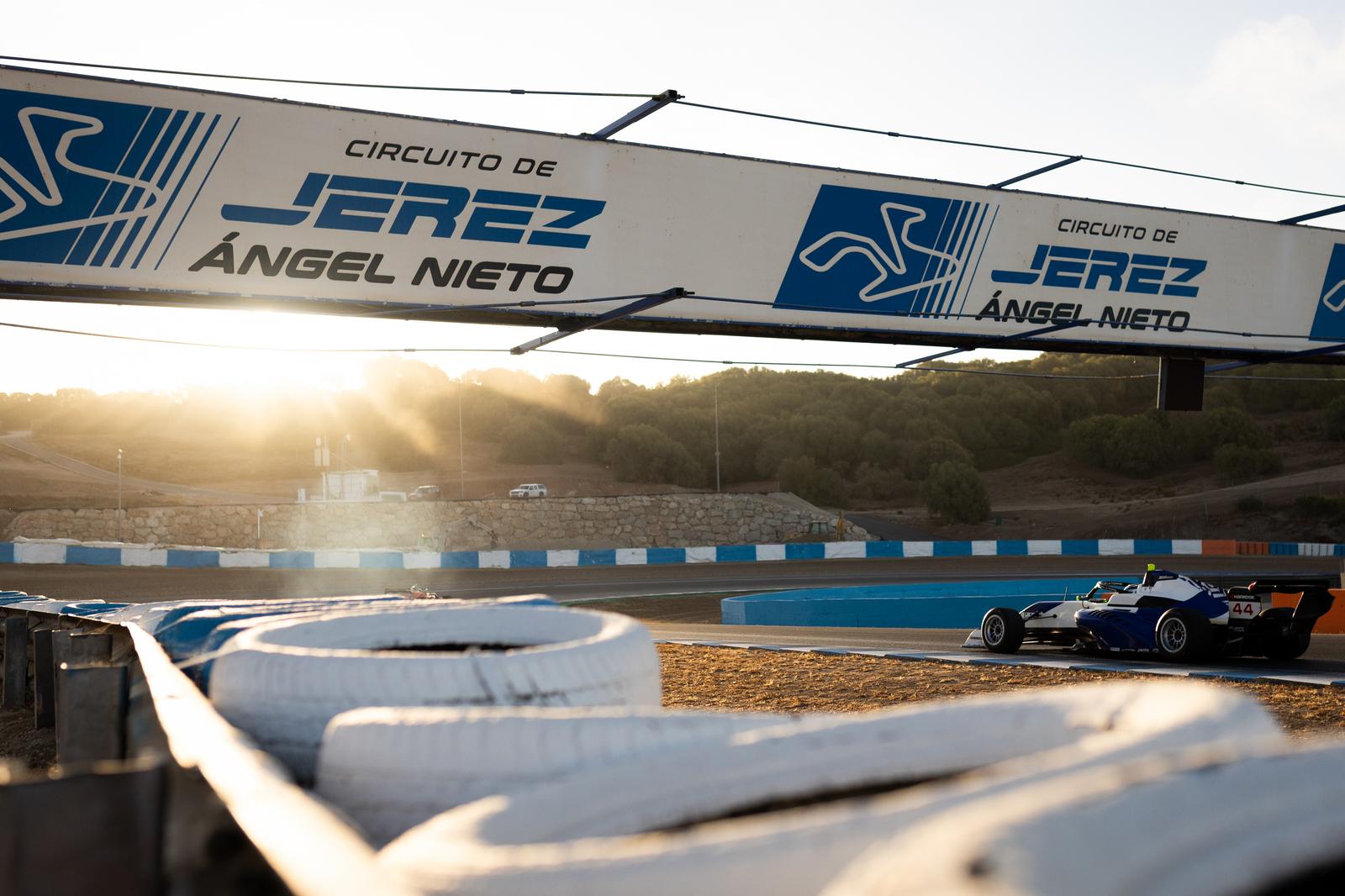
The Ángel Nieto Circuit in Jerez de la Frontera is one of the most iconic racing tracks in the world. Home to numerous thrilling competitions, including MotoGP, Formula 4, and Eurocup-3, this circuit holds a special place in the hearts of motorsport enthusiasts. Whether you’re a die-hard fan of racing or just getting into the sport, here are some interesting facts and curiosities about the Ángel Nieto Circuit that will enhance your appreciation of this legendary track.

1. A Tribute to a Legend: Ángel Nieto  

The circuit was renamed in 2018 in honor of Ángel Nieto, a Spanish motorcycling legend. Nieto was a 12+1-time world champion (he avoided saying 13 due to superstition) and is considered one of the most successful riders in motorcycle racing history. His legacy is celebrated with this symbolic naming, making the track even more meaningful to the motorsport community.

2. Inauguration and Early Fame  

The circuit was inaugurated in 1985 and quickly became one of the most important venues for motorsport in Europe. Its debut event was a Formula 1 test session, which set the stage for its subsequent success. Although it never hosted a Formula 1 Grand Prix, it became a staple in the world of MotoGP and other international racing competitions.

3. Technical and Challenging Layout  

The Ángel Nieto Circuit is known for its 4.428-kilometer layout, featuring 13 corners (5 left and 8 right). With its combination of fast straights and technical corners, the circuit is a favorite among drivers and riders. Some corners, such as the famous Curva de Jorge Lorenzo and Dry Sack, present significant challenges, demanding high levels of skill and precision.

4. A Global Motorsport Hub  

While the circuit is best known for hosting the Spanish Grand Prix of MotoGP, it also plays a key role in the development of young racing talent. The track hosts various events such as Formula 4 and Eurocup-3, giving aspiring drivers the chance to hone their skills on a world-class circuit. It’s a place where future stars of racing can be seen in action before they move up to higher levels of competition.

5. The MotoGP Pilgrimage  

Every year, Jerez becomes the epicenter of the MotoGP world. The Spanish Grand Prix at Jerez is one of the most highly anticipated events on the calendar, attracting over 180,000 spectators throughout the race weekend. The atmosphere is electric, with fans from all over the world gathering to experience the excitement and passion of motorcycle racing at its finest.

6. Testing Ground for Cars and Bikes  

The Ángel Nieto Circuit is a favorite testing ground for both car and motorcycle manufacturers. Its technical layout and favorable climate make it an ideal venue for testing high-performance vehicles. Throughout the year, teams use the circuit to fine-tune their machines and prepare for races, making Jerez an important part of pre-season testing for many professional teams.

7. One of Spain’s Busiest Circuits  

Thanks to its year-round mild weather, the Jerez circuit is one of the busiest in Spain. In addition to hosting official race events, it is often used for private testing sessions, track days, and even driving and riding schools. This constant activity makes it a hub of motorsport excellence, where professionals and amateurs alike can experience the thrill of racing.

8. Sustainability Efforts  

In recent years, the Ángel Nieto Circuit has made significant strides toward becoming more environmentally friendly. With growing awareness of the environmental impact of motorsports, the track has implemented sustainability initiatives such as reducing energy consumption, promoting recycling, and working toward minimizing its carbon footprint during major events.

9. A Fan-Friendly Circuit  

Jerez is known for its incredible fan experience. The circuit offers numerous grandstands with excellent views of the track, allowing spectators to witness key overtaking moments and high-speed straights. Additionally, the paddock and surrounding areas come alive during race weekends, with entertainment, food stalls, and merchandise available to make the visit memorable.

10. The Famous “Sherry Triangle”  

Located in the heart of Andalusia, Jerez is part of the famous Sherry Triangle, known for producing the world-renowned Jerez (sherry) wine. Visitors to the Ángel Nieto Circuit can also take the opportunity to explore the rich cultural and gastronomic heritage of the region. Whether it’s visiting a bodega for a wine tasting or enjoying traditional Andalusian dishes, Jerez offers a unique experience beyond the racetrack.

Conclusion  The Ángel Nieto Circuit is much more than just a racing venue; it’s a place steeped in history, excitement, and motorsport culture. From its challenging layout to its role in the development of future racing stars, the circuit remains a cornerstone of global motorsport. Whether you’re attending a MotoGP race or watching up-and-coming drivers in Eurocup-3, Jerez offers an unforgettable experience for fans of speed and competition.
Synergy on the Track: The Crucial Role of Teamwork in Motorsport

In motorsport, speed often steals the spotlight. From the thrilling roar of engines to the heart-pounding races, it’s easy to focus solely on the drivers as they push their cars to the limit. But behind every victory, every podium finish, and every seamless lap is something far more complex and dynamic — teamwork.

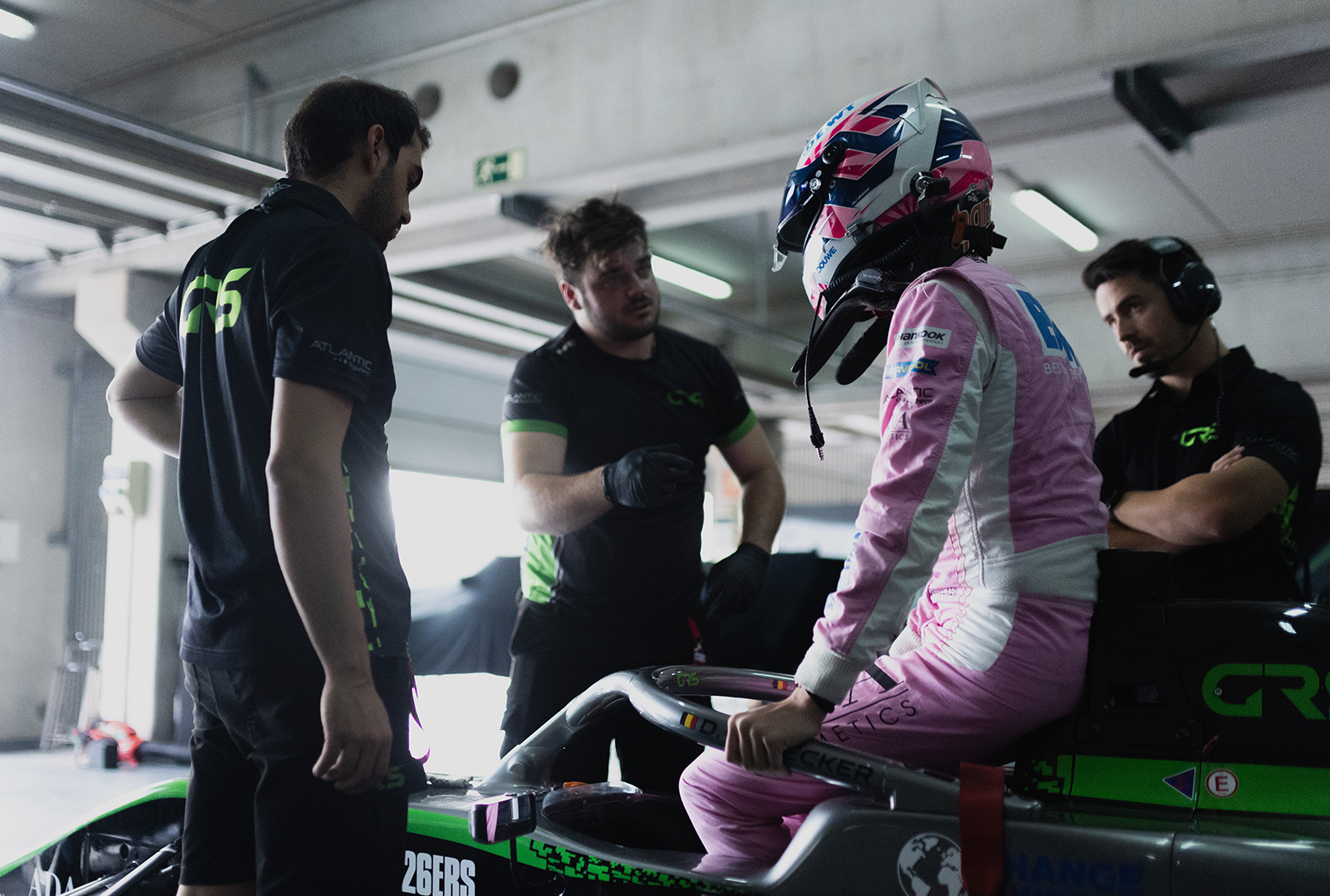
For fans and newcomers to Eurocup-3, the significance of collaboration in this fast-paced sport might not always be immediately obvious. Yet, motorsport, at its core, is the ultimate team effort. Each component — from the driver’s skills to the engineers’ precision and the pit crew’s efficiency — must work in harmony for success to be achieved.

The Driver: The Face of the Team  

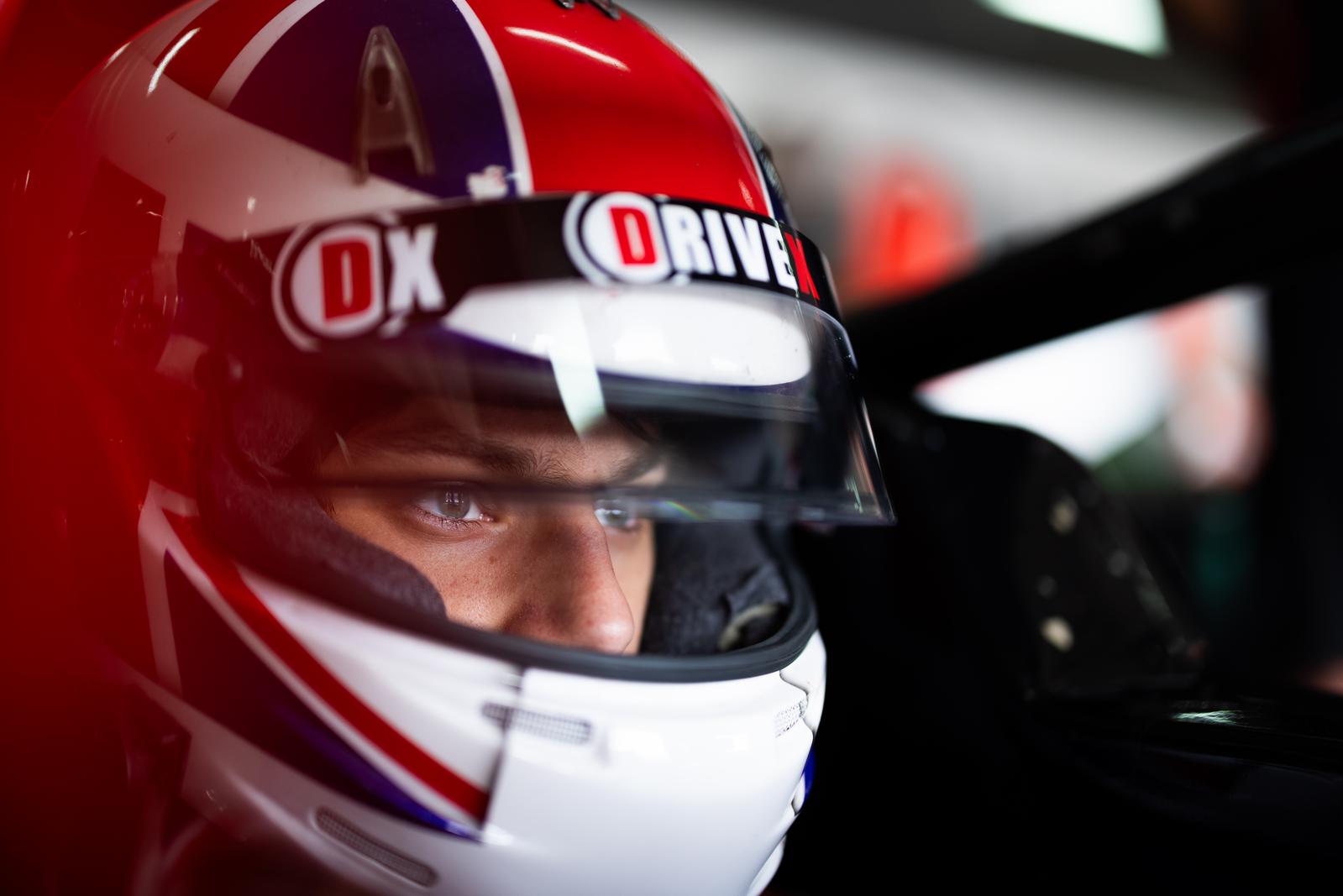
Drivers are often the most visible members of a motorsport team, bearing the pressure of executing strategy and pushing the limits on the track. But even the most talented driver can’t achieve greatness without the support of a solid team. While they are responsible for making split-second decisions and handling high-performance vehicles under intense pressure, they rely on the feedback and preparation provided by their engineers, data analysts, and coaches.

The driver’s trust in the team is crucial. From understanding the car’s performance to communication during the race, the synergy between driver and team must be fluid and efficient. Every race is a test of this communication and trust, where even the slightest misstep can result in lost positions, or worse, a crash.

Engineers: The Architects of Speed  

Behind every fast lap is a team of engineers working tirelessly to optimize the car’s performance. Whether it’s fine-tuning the aerodynamics, adjusting the suspension, or managing fuel efficiency, engineers are the architects of speed. They analyze endless data from previous races, test laps, and real-time telemetry to ensure the car performs at its peak.

In Eurocup-3, where the difference between winning and losing can be fractions of a second, engineers play a pivotal role. Their close collaboration with drivers allows them to adjust the car to the driver’s preferences and to the specific demands of the track. This teamwork between engineers and drivers can often be the deciding factor in a race.

Mechanics: The Hands that Make it Happen  

Mechanics are the backbone of every motorsport team. They are responsible for maintaining the car, making sure it’s in top condition, and handling repairs when things go wrong. Whether it’s swapping out a damaged part or adjusting the car’s setup to suit the track, mechanics ensure the vehicle is ready to perform at its best.

Their work requires not only technical skill but also incredible teamwork. They work closely with engineers and drivers to make real-time adjustments during practice and qualifying sessions, ensuring the car is perfectly tuned for race day. Without mechanics, a driver’s performance would be compromised, no matter how talented they are behind the wheel.

Media and Marketing Teams: Sharing the Story  

Behind every motorsport team is a media and marketing team that keeps fans connected and informed. These teams create content that showcases not just the races, but the hard work and dedication of the entire crew. From managing social media accounts to filming behind-the-scenes footage and conducting interviews, the media and marketing teams are crucial in building the team’s brand and engaging with its fanbase.

They also help manage sponsorships, partnerships, and public relations, which are vital for a sport that relies heavily on visibility and promotion. Their efforts make sure that every race gets the spotlight it deserves, and that the excitement on the track is shared with audiences around the world.

Logistics Teams: The Master Planners  

Motorsport teams don’t just show up on race day — the logistics teams work tirelessly to make sure everything runs smoothly behind the scenes. They handle everything from transporting cars and equipment to setting up the garage and coordinating travel schedules for the team. Without them, the race wouldn’t even get off the ground.

Logistics teams ensure that all the necessary tools, parts, and personnel are at the right place at the right time, ready for action. Their coordination and planning are key to minimizing disruptions and ensuring that the team is fully prepared for race day.

Why Teamwork Makes All the Difference  

Motorsport isn’t just about fast cars and fearless drivers — it’s about the entire team working together to achieve one goal: winning. The Eurocup-3 championship is the perfect example of how crucial teamwork is in motorsport. From the engineering setup to the mechanical adjustments, every detail matters.

When the team is in sync, everything runs like clockwork. And when teamwork clicks, the results can be magic. That’s the true beauty of motorsport — it’s a team effort from start to finish, and that’s what drives success.So, the next time you watch a Eurocup-3 race, remember that every victory is a result of synergy between the driver and their team. It’s not just speed that wins races — it’s the power of teamwork.

The Psychology of a Driver: How Eurocup-3 Drivers Handle Pressure and Stress in Competition

Eurocup-3 is one of the early steps in the world of motorsports where drivers begin to take competition seriously. It serves as the initial rung in a professional racing career, ultimately aiming for higher tiers like Formula 1. Here, drivers not only refine their racing skills but also begin to build the mental resilience essential to withstand the pressures of high-level competition.

One of the most remarkable characteristics of Eurocup-3 drivers is their youth. Many start competing in single-seaters at the age of 15 or 16, and by then, they have already undergone years of preparation and sacrifice. From a very early age, these young drivers have been under the close scrutiny of teams and sponsors, which brings immense pressure. A driver’s career is often shaped by their ability to manage that pressure and convert stress into peak performance on the track.

Mental Preparation: A Key Component

Eurocup-3 drivers don’t just train their driving skills; a large part of their preparation involves psychological training to manage stress, pressure, and expectations. They often work with sports psychologists who specialize in helping these young talents develop the focus and emotional balance needed to compete in intense situations.

Mental training for these drivers starts at a young age. They are taught how to remain calm under pressure, cope with setbacks and mistakes, and avoid being paralyzed by the fear of failure. All of this becomes as vital to their routine as any physical training session or time spent in the simulator.

The Pressure to Meet Expectations

One of the most challenging aspects for young drivers is the pressure to meet external expectations. Many have been on the radar of sponsors and teams since childhood, adding an extra layer of weight on their shoulders. Sponsors invest in their development with the expectation that one day they will become the next stars of motorsport.

In addition to external pressure, there’s also self-imposed pressure. These drivers have big dreams: many want to reach Formula 1, and Eurocup-3 is one of their first real steps towards that goal. The fear of not living up to expectations can be overwhelming, but this is where mental toughness becomes their greatest asset.

The Stress of Competition

While Eurocup-3 is a developmental category, it’s not free from the pressures of competition. The races are fast, technical, and physically demanding. Drivers must make split-second decisions, and a single mistake can cost them the race. This environment creates high levels of stress, and drivers must learn to manage it effectively.

Competition-related stress can manifest in various ways: some drivers experience pre-race anxiety, while others feel immense pressure during the race itself. To cope, many use breathing techniques, visualization, and relaxation methods that help them focus on the present moment rather than the outcome.

Life Lessons at a Young Age

One thing that stands out about Eurocup-3 drivers is their maturity. Despite being teenagers, they’ve had to learn how to manage high-pressure situations from a young age. They’ve experienced both victory and defeat, learning that success doesn’t always come immediately. This ability to handle adversity and keep pushing forward is a skill that will serve them not just in motorsport but in all aspects of life.

Ultimately, the young drivers in Eurocup-3 are examples of how a blend of talent, mental preparation, and the ability to handle stress can lead to great achievements. While their path to the top of motorsport is long and filled with challenges, the way they handle pressure from an early age is what makes them true champions in the making.

ConclusionThe world of Eurocup-3 may seem like a fast-paced environment full of adrenaline and excitement, but behind that image are young individuals developing incredible mental strength. The ability to handle pressure, stress, and expectations is what separates good drivers from great ones. At this level of competition, a driver’s psychology becomes just as important as their driving skills, and it’s this combination that will ultimately lead them to success in the upper echelons of motorsport.

The Evolution of Safety in Racing Circuits: A Eurocup-3 Perspective

Motorsport is synonymous with high-speed thrills and technological innovation. However, behind the adrenaline-pumping races lies a relentless pursuit of safety. The evolution of safety in racing circuits has been a journey of continuous improvement, driven by the need to protect drivers, teams, and spectators. Eurocup-3, established in 2021, has quickly positioned itself as a premier single-seater racing series, showcasing its commitment to safety by competing on some of the best and most advanced circuits across Europe.

Early Days: Safety challenges and the rise of circuit racing

The early 20th century saw the birth of motorsport, with races often held on public roads. These events were marked by high risks, as circuits were not designed with safety in mind. The lack of protective barriers and proper circuit layouts led to frequent accidents, highlighting the urgent need for improved safety standards.

While Eurocup-3 itself is a relatively recent addition to the motorsport world, its choice of circuits reflects a deep respect for the history and evolution of circuit safety. The series races on tracks that have been developed and upgraded over decades, benefiting from the cumulative advances in safety measures implemented across Europe. These circuits have been selected not only for their challenging layouts but also for their state-of-the-art safety features, setting a high standard for the series.

Mid-20th century: The introduction of safety measures

The mid-20th century marked significant progress in motorsport safety. The introduction of dedicated racing circuits and basic safety features, such as barriers and run-off areas, laid the groundwork for safer racing environments. The tragic 1955 Le Mans disaster, which claimed the lives of many spectators, was a turning point that led to a comprehensive review of safety measures across all racing disciplines.

Eurocup-3, by racing on iconic European circuits like Monza, Spa-Francorchamps, and Silverstone, taps into a rich heritage of racing history where safety innovations have continuously evolved. These circuits have implemented stringent safety protocols, including advanced barrier systems and extensive run-off areas, which are crucial for ensuring the safety of both drivers and spectators.

Late 20th century: Technological advancements and regulatory changes

The late 20th century was a period of rapid technological advancement in motorsport. Innovations such as the Armco barrier and the introduction of safety cars became standard features, significantly enhancing circuit safety. These developments set the stage for the high standards that Eurocup-3 upholds today.

The series’ selection of circuits is also influenced by these advancements. Tracks like the Nürburgring and Circuit de Barcelona-Catalunya have been leaders in implementing cutting-edge safety technologies and are known for their meticulous attention to safety protocols. This ensures that Eurocup-3 races are held under the safest conditions possible, aligning with the series’ commitment to the highest safety standards.

21st Century: Eurocup-3 and modern safety innovations

In the 21st century, and particularly since its debut in 2021, Eurocup-3 has embraced the latest technological advancements to enhance circuit safety. The use of advanced materials, such as carbon fibre, has improved the construction of cars and barriers, offering better impact absorption. The Halo device, a significant innovation in single-seater racing, has been a crucial addition to the series, providing protection against debris and collisions.

The vehicles used in Eurocup-3 are equipped with the latest safety features, reflecting the series’ commitment to driver protection. These cars incorporate cutting-edge technology designed to enhance safety without compromising performance. Features such as advanced crash structures and energy-absorbing materials ensure that drivers are well-protected in the event of an incident. Moreover, the adoption of standardised safety equipment, including the HANS device and state-of-the-art helmets, further underscores Eurocup-3’s dedication to maintaining the highest safety standards.

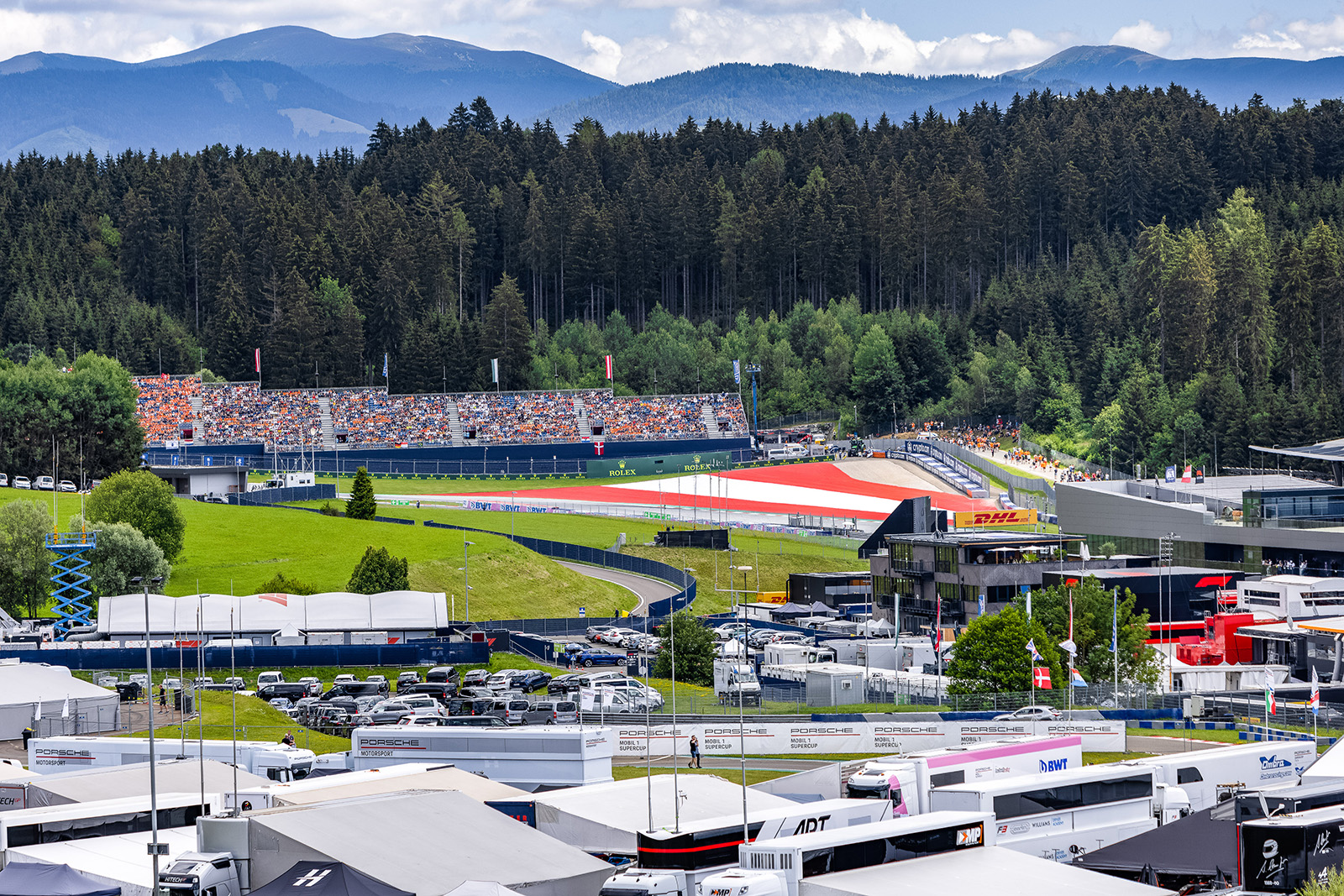
Modern Eurocup-3 circuits feature state-of-the-art safety installations, including Tecpro barriers and extensive run-off areas. These features, combined with digital technology like telemetry and GPS tracking, allow for real-time monitoring and incident response, making Eurocup-3 one of the safest series in motorsport. The choice of circuits such as Hockenheim and Red Bull Ring underscores the series’ dedication to providing the safest and most exhilarating racing experiences.

The future: innovation and continued commitment

Looking ahead, Eurocup-3 is set to continue leading the way in circuit safety. Future innovations may include active safety systems, enhanced data analytics, and even greater integration of AI technologies to predict and prevent accidents. As sustainability becomes increasingly important, Eurocup-3 is also exploring ways to integrate green technologies while maintaining the highest safety standards.

The series’ focus on safety is not just about meeting current standards but about pushing the boundaries of what is possible in motorsport safety. By staying at the forefront of technological advancements and racing on circuits known for their safety innovations, Eurocup-3 ensures that it remains a leader in both competitive racing and safety.

Conclusion: Eurocup-3’s role in advancing circuit safety

The evolution of safety in racing circuits has been a long and ongoing journey, marked by significant milestones and continuous improvement. Eurocup-3, despite being a newcomer, has rapidly established itself as a key player in this journey. By racing on some of the best circuits in Europe, which are equipped with the latest safety features and technologies, Eurocup-3 sets a high standard in the motorsport industry.

As Eurocup-3 continues to grow and attract a global audience, its commitment to safety remains unwavering. The series’ dedication to protecting drivers, teams, and spectators ensures that the thrill of motorsport can be enjoyed with confidence. For fans and participants alike, Eurocup-3 represents not just the pinnacle of racing talent, but also a benchmark for safety in the sport.

Stay updated with Eurocup-3’s latest safety innovations and race highlights by following the Eurocup-3 Official Website.

Zandvoort: A detailed analysis of the circuit and its unique features

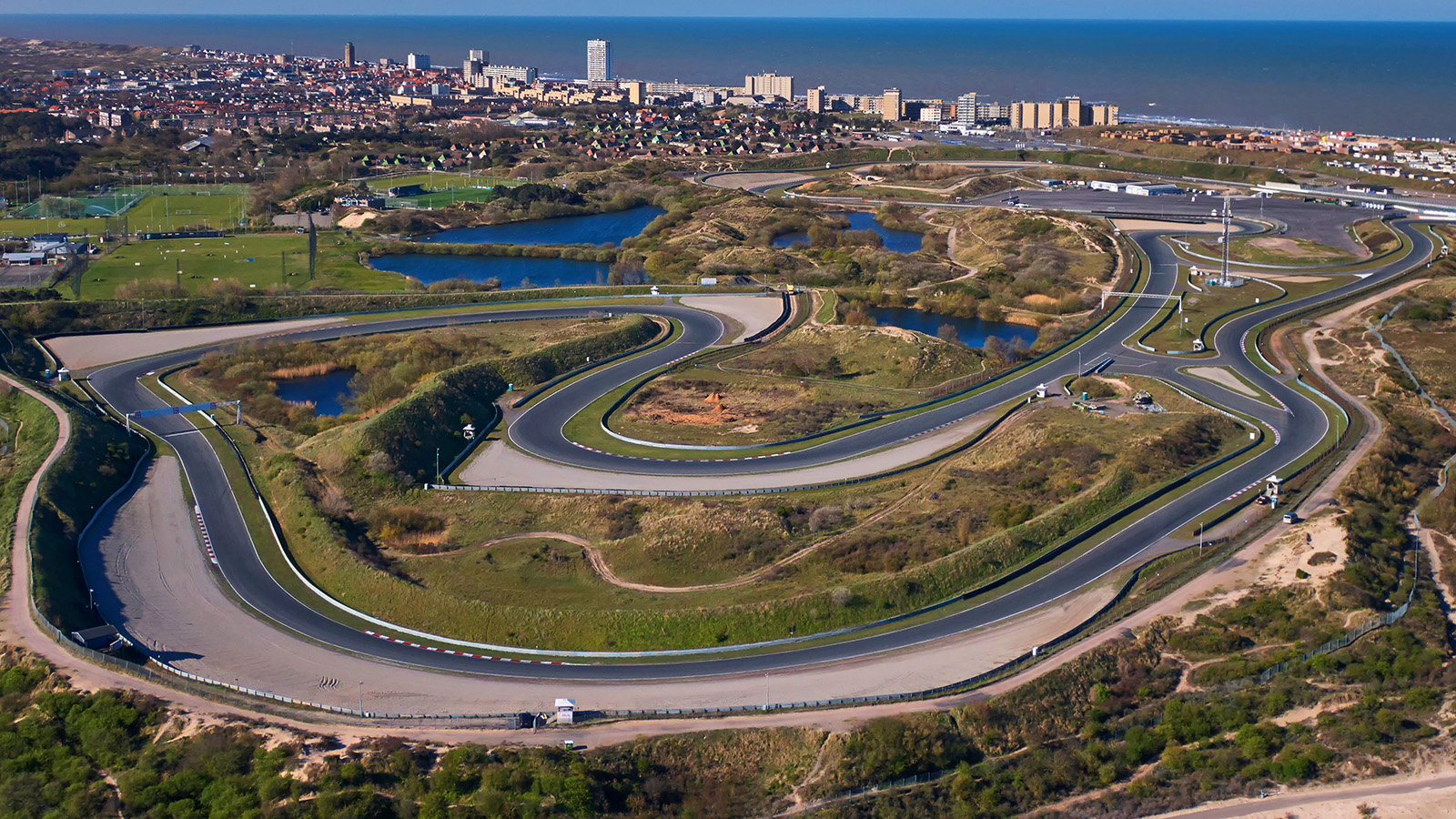
The Circuit Zandvoort, nestled in the picturesque Netherlands, is a historic gem in the motorsport world. Known for its location amid the dunes and the North Sea, Zandvoort has been an iconic destination for racing enthusiasts since its opening in 1948. In this blog, we will delve deep into the unique characteristics of this circuit, its evolution over the years, and its significance in the rapidly growing single-seater category, Eurocup-3.

History of Circuit Zandvoort

The Circuit Zandvoort, officially known as CM.com Circuit Zandvoort, opened in 1948 and quickly became a favourite in the European racing calendar. From its inception, it has hosted a variety of motorsport events, including the Dutch Grand Prix of Formula 1. Its original design, influenced by Dutch drivers and the natural conditions of the surroundings, has remained true to its essence over the decades.

Evolution and renovations

Over the years, Zandvoort has undergone several renovations to meet the demands of modern competition and enhance safety. The most significant modifications occurred in 2020, when the circuit prepared for the return of Formula 1 after more than three decades. These improvements included changes to the Tarzanbocht corner, one of the most iconic, and the addition of a banked section at Hugenholtz corner, increasing the challenge for both drivers and engineers.

Design and features of the circuit

Zandvoort is renowned for its flowing and challenging design, with a length of 4.259 km and a total of 14 corners. Its location in the coastal dunes adds a unique element, with natural elevation changes that test drivers’ skills and vehicle setup. Below, we break down some of the circuit’s most notable features.

Tarzanbocht corner

The Tarzanbocht is perhaps the most famous corner at Zandvoort. It is a 180-degree bend right after the main straight, requiring strong and precise braking. Its wide radius allows multiple racing lines, favouring overtaking and creating exciting opportunities for Eurocup-3 drivers.

The dunes section

The dunes section, with its natural undulations, offers a unique challenge. Here, drivers must deal with elevation changes and blind corners, testing both their skill and bravery. This part of the circuit is crucial for maintaining rhythm and securing a good lap time.

Hugenholtz corner

The Hugenholtz corner, redesigned with banking in 2020, has become a favourite among drivers. The banking increases corner speed, allowing earlier acceleration on exit. This feature is particularly relevant in categories like Eurocup-3, where exit speed can be the difference between gaining and losing positions.

Scheivlak corner

Another iconic corner is Scheivlak, a fast and blind bend that descends sharply. This corner is a true test for drivers, who must rely on memory and skill to navigate it at high speed without seeing the exit. It is a corner that rewards precision and confidence.

Impact of weather and location

The circuit’s proximity to the North Sea means weather conditions can change rapidly. Wind and sand can alter track grip, and rain can completely transform racing conditions. Eurocup-3 drivers must be prepared to adapt quickly to these changes, adding an additional level of complexity to races at Zandvoort.

Preparation and strategy

Preparation for a race at Zandvoort involves meticulous attention to detail. Teams must account for the variability of the weather and adjust their tyre strategies accordingly. Aerodynamic setups also play a crucial role, as balancing straight-line speed and corner grip is essential.

Eurocup-3 at Zandvoort

Eurocup-3, a rapidly growing single-seater category, has found an ideal stage in Zandvoort to showcase the talent of its drivers and the competitiveness of its cars. This circuit not only offers a technical challenge but also a platform for young drivers to display their skill in a demanding environment.

Competition and driver development

Zandvoort is a circuit that tests all aspects of a driver’s abilities. Eurocup-3, with its focus on developing young talent, benefits greatly from the unique characteristics of this track. Drivers learn to handle elevation changes, execute overtakes in complex corners, and quickly adapt to changing conditions, skills that are essential for their progress in motorsport.

Events and fans

Eurocup-3 events at Zandvoort attract a crowd of enthusiastic fans. The circuit’s proximity to Amsterdam and other major cities makes it an accessible destination for motorsport followers. Additionally, the seaside and dune atmosphere offers a unique experience for both spectators and participants.

Conclusion

The Circuit Zandvoort, with its unique features and rich history, is a perfect stage for Eurocup-3. Its challenging design, natural influences, and unpredictable weather make it a true test for drivers and teams. At the same time, its ability to attract fans from all over underscores its importance in the racing calendar.

For Eurocup-3 drivers, competing at Zandvoort is an opportunity to hone their skills at one of the world’s most iconic circuits. And for fans, it is a chance to witness emerging talent up close and enjoy thrilling races in a spectacular setting.

If you want to keep up with all the latest news and results from Eurocup-3 at Zandvoort, be sure to visit our website and stay updated with the latest news and updates. Don’t miss any action at this legendary circuit!

The Influencer Drivers: Merging Motorsport with Social Media

In the fast-paced world of Eurocup-3, drivers are no longer just athletes; they are becoming influential brands in their own right. The rise of social media has transformed how drivers interact with fans, attract sponsors, and build their personal brands. In this blog, we delve into how these drivers leverage platforms like Instagram and TikTok to boost their popularity, increase their fan base, and propel their careers to new heights.

The evolution of drivers into social media influencers

In the past, a driver’s success was measured solely by their performance on the race track. Today, however, their influence extends far beyond the confines of the circuit. The most popular drivers in Eurocup-3 are those who have mastered the art of social media, turning every race, training session, and personal milestone into a shareable moment.

The emergence of social media networks has provided a platform for drivers to connect with fans like never before. They share behind-the-scenes glimpses of their lives, offer insights into their training routines, and engage in real-time conversations with followers. This constant interaction has turned them into influential figures, not just in the world of motorsport but in the broader landscape of social media.

Building a personal brand

Creating a personal brand is now an essential part of a driver’s career strategy in Eurocup-3. Drivers are increasingly aware that their marketability depends on their popularity on social media as much as their skills on the track. They carefully curate their online personas, choosing what to share and how to present themselves to attract the most engagement.

For instance, a Eurocup-3 driver might share videos of their workout routines, giving fans a glimpse into the physical demands of the sport. They might also post about their hobbies, travels, and personal interests, making them more relatable and accessible to their followers. This multifaceted approach helps to build a strong personal brand that appeals to a wide audience.

The role of social media in attracting sponsors

In today’s digital age, sponsors are looking for more than just on-track success; they want drivers who can offer visibility and engagement. The most popular drivers on social media in Eurocup-3 often secure the most lucrative sponsorship deals. Brands recognise the value of associating with drivers who have large, engaged followings on platforms like Instagram and TikTok.

These social networks provide a direct line to a driver’s fan base, making them an attractive proposition for sponsors looking to reach specific demographics. By partnering with drivers who have a strong social media presence, brands can tap into new markets and enhance their visibility.

Examples of drivers excelling on social media

Several Eurocup-3 drivers have embraced social media and reaped significant rewards. Let’s take a look at some of the most popular drivers who have successfully built their personal brands online:

  • Lando Norris – The McLaren F1 driver is known for his humorous and engaging content on platforms like Instagram and TikTok. His playful personality and behind-the-scenes content have earned him a massive following.
  • Charles Leclerc – The Ferrari driver uses his social media presence to offer fans an inside look at his life, both on and off the track. His posts often include training sessions, race preparations, and personal moments, making him one of the most popular drivers on social media.
  • George Russell – The Mercedes driver has a strong social media presence, where he shares insights into his racing career, training routines, and personal life. His authenticity and engagement with fans have made him a favourite among social media users.

The impact of social media on fan engagement

Social media has revolutionised the way fans interact with their favourite Eurocup-3 drivers. In the past, fans could only watch races on TV and read about drivers in magazines. Today, they can follow drivers on social media, interact with their posts, and even receive replies to their comments.

This level of engagement creates a deeper connection between drivers and their fans. It allows fans to feel more involved in the driver’s journey, celebrating their successes and sympathising with their setbacks. This emotional connection is invaluable for drivers looking to build a loyal and supportive fan base.

The challenges of being a social media influencer

While social media offers numerous benefits, it also comes with its challenges. Maintaining a consistent and engaging online presence requires time and effort, which can be difficult for Eurocup-3 drivers who already have demanding schedules. Balancing their on-track responsibilities with their social media commitments can be a delicate act.

Additionally, drivers must navigate the potential pitfalls of social media, such as negative comments and online harassment. Developing a thick skin and knowing when to disconnect are crucial skills for drivers who want to protect their mental health while maintaining their social media presence.

Future trends in driver social media engagement

As social media continues to evolve, so too will the ways Eurocup-3 drivers engage with their fans. Emerging platforms and new features will offer fresh opportunities for drivers to connect with their audiences. For example, the rise of live streaming has allowed drivers to share real-time experiences with their followers, from race preparations to post-race celebrations.

Moreover, the integration of augmented reality (AR) and virtual reality (VR) into social media platforms could provide fans with even more immersive experiences. Imagine a fan being able to virtually ride along with their favourite driver during a race, or experiencing a pit stop from a driver’s perspective through VR.

Conclusion: The new era of motorsport

The convergence of motorsport and social media has ushered in a new era for Eurocup-3 drivers. They are no longer just athletes; they are influencers who command significant online followings and wield substantial marketing power. By building strong personal brands and engaging with fans on social media, drivers can enhance their popularity, attract sponsors, and ensure the longevity of their careers.

As we look to the future, it is clear that the role of social media in motorsport will only continue to grow. Eurocup-3 drivers who embrace this trend and leverage their online presence will be well-positioned to succeed both on and off the track. The world of motorsport is changing, and the influencer drivers are leading the charge.

FARO, THE PORTUGUESE PEARL

Beach and Eurocup-3. Sun and engine. The relaxation of the waves and the adrenaline of the race. Do you like this mix? Great, because at the Portimão Circuit we will find all that. Officially known as the Autódromo Internacional do Algarve, it is one of the most modern and famous racing circuits in Europe. Located very close to the Algarve’s Atlantic coast, near the city of Portimão, this circuit has gained notoriety for its challenging design and first-class facilities.

Located approximately 10 km north of the city of Portimão. The circuit was inaugurated in November 2008. Designed by architect Ricardo Pina, it is known for its elevation changes and challenging curves, which make it. The main track has a length of 4.684 km and its facilities can accommodate up to 100,000 spectators. It has hosted the Formula 1 Portuguese Grand Prix on several occasions, most recently in 2020 and 2021. It is a regular circuit on the MotoGP World Championship calendar.

Time to spare? Touring the city of Faro 80 km from the circuit is Faro, the capital of the Algarve region. Faro is a charming city with a rich history, beautiful architecture and breathtaking nature. It is a must-see wherever you look. Culture, gastronomy and life. Every visitor on a trip to the south of Portugal should visit Faro without a second thought. Here are some things to do in Faro:

What to see in Faro?

  • Arco da Vila: One of the entrance gates to the Old Town, built over an original Arab gate. Photo and selfie if or if.
  • Faro Cathedral: After walking through the pedestrian street in the center, we arrived at the Sé. Located in the main square in the old town, this 13th century cathedral offers breathtaking panoramic views from its tower.
  • Palácio de Estoi: A beautiful 19th century palace with ornamental gardens and an ideal place for a picnic.
  • Ria Formosa Natural Park: A beautiful natural park with a great diversity of flora and fauna. You can go on boat rides, bird watching or just enjoy nature.
  • Faro Beach: An extensive golden sand beach that is a delight, ideal for relaxing, swimming and water sports.
  • Municipal Market: A perfect place to buy fresh local produce and taste Portuguese delicacies.

Bonus Track only for the brave

  • Iglesia do Carmo: It is one of the most loved or hated monuments in the area. Famous for its Chapel of Bones, decorated with human bones. It was built in the 19th century, in 1816. Its motif, like other bone chapels in Portugal, was to recall the transience of life and the inevitability of death. It uses the bones and skulls of Carmelite monks exhumed from local cemeteries. The walls and ceiling of the chapel are adorned with bones and skulls, artistically arranged. It is estimated to contain the remains of more than 1,000 monks. The ambience and atmosphere inside the chapel is solemn and awe-inspiring, providing a reflective experience of life and death. Do you dare?

Do you like cod? At 18 km from the circuit is the Museu de Portimão, one of the most outstanding museums in the Algarve region of Portugal. This museum has a special focus on the fishing industry and the preservation of sardines and cod, products that have been fundamental to the city’s economy throughout its history. The museum is located in a former sardine cannery next to the Arade River, today a historic and protected building, dating from the early 20th century. The restoration of the building has maintained many of its original elements, providing an authentic and evocative atmosphere. And when it’s time to eat comes the ‘Bacalhau à brás’ is a simple but very tasty dish that combines shredded cod with onions, straw potatoes (very thinly fried potatoes) and eggs, all mixed together to form a kind of scrambled eggs. It is usually garnished with black olives and fresh parsley.

Cod Museum Exhibits

  • Canning Industry: The most outstanding permanent exhibit is dedicated to the fishing industry and the preservation of sardines and cod. You can learn about the process of catching, preparing and canning sardines, as well as the working conditions in the factories.
  • Underwater Archaeology: Another important section of the museum is dedicated to underwater archaeology, displaying artifacts recovered from the seabed that tell the story of maritime trade and shipwrecks in the region.
  • Local History: Exhibits on the history and development of Portimão, from its beginnings as a small settlement to becoming a major city.
  • Art and Culture: The museum also hosts temporary exhibitions of contemporary art and local culture. Opening hours, Tuesday to Saturday: 10:00 – 18:00. Sunday: 10:00 – 14:00. Admission fee is 3 euros for adults, children free. The Museu de Portimão offers a unique experience that combines industrial history with local culture, providing a deep insight into life in this region of the Algarve, where everything comes together, history, culture, beaches, sun and of course, the roar of the engines with the Eurocup-3.

DO YOU NEED TO BREATHE? Go to Spielberg, the greenest circuit

Fresh air. Take a deep breath. Inhale. One, two, three. Exhale. Close your eyes and you will see green mountains, alpine surroundings, lush forests, crystal clear lakes. It feels good right? Imagine to that, adding spas, towns surrounded by vineyards and artistic treasures. YES, the Region of Styria, in Austria, offers all of that. But stop, if to all of the above, we add that in that area, there is the historic Spielberg Circuit, that is already having too much on our hands. It is a paradise for sports lovers, both winter and summer, and hundreds of activities to enjoy surrounded by nature. Styria is the most bucolic and green region of the country and one of the regions with the highest density of forests in Europe; 60% of its territory is populated by forests, which is why it is called “The green heart of Austria“, a concept that fans and Eurocup-3 pilots fall in love with.

Three key things to do in Spielberg

1. Dive in the Grüner See. It’s amazing that you can enjoy Eurocup-3 and in less than an hour by car, you can immerse yourself in the Grüner See. It is a very special lake that appears in summer when temperatures rise and with it the mountains thaw. But in winter it is a park where you can walk. In fact, a series of benches are scattered to sit after a long walk; but when the water rises, they remain submerged. It’s surreal, fish swimming between the trees and the emerald green water. The plan is to hire a diving team and a guide. For 70 euros an hour, you can swim as if you were flying through the mountains. Then, you can explore the entire surroundings of the lake on a trekking route connected by trails and also another area that can be visited by bicycle. There are no excuses not to do sports!

2. Visit Graz. We find this city 70 km from the circuit. It is the largest in the Styria Region and is a must-see for architecture lovers. Walking through its cobbled streets, we will feel what the Habsburg dynasty saw among a disparate collection of Renaissance, Gothic, Baroque and even Art Noveau facades. This rich architectural mix was responsible, in part, for the historic center of Graz, known as ‘Altstadt‘, being named a World Heritage Site in 1999. You can close the afternoon on a corner next to a coffee and a Linz Cake: The oldest cake in the world. In 1653, the clarified butter tart filled with fruit appeared for the first time in a cookbook. Do you like the plan?.

3. Get to know Riegersburg Castle. If we reach the top of the tower, we will be 482 meters high on a rocky hill impregnable from any attack by the barbarians, Turkish and Hungarian invaders who were besieging the fortification. This is Riegersburg Castle, which incredibly was built on a dormant volcano. It can only be accessed on foot or by cable car. It was built in the 11th century, and modified in the 17th century, from which three kilometers of walls remain. The first gentleman known to have lived there was Rudiger von Hohenberg. Over the centuries the castle has had many different owners, today it is owned by the Prince of Liechtenstein. Of the 108 rooms of the castle, about 15 are open to the public showing its interior, it also has a museum of Witches, in the basement, where the black history of their persecution is discussed, and another museum about the history of the castle itself. From the outdoor terrace-bar, the views are fantastic.

THE PILOTS DIET

FOOD BALANCE

“Fast food? I don’t think so, we have to eat healthy,” says GRS Team driver Nikola Tsolov. With this phrase we already know that the Eurocup-3 drivers carry professionalism in every detail, thinking about their idols and references. “We are what we eat” is the phrase that is most repeated in thevisits from elite athletes, consultations with nutritionists andsports experts in food. Win in every detail,even in the foods they consume. “Eat breakfast with cereals,a little milk, not a lot, and also a little proteinlike a slice of ham and a little egg white. Besides,a natural juice. And nothing more,” Edo acknowledged in an interview.Bendinelli in 2023, Fernando Alonso’s personal trainer,knows very well why the Asturian driver continues competing at thatage. Your diet is essential to be among thebetter today. And it is like that, as Bendinelli says, because being a pilotof a single-seater, involves more than technical preparation andphysically, but also needs a specialized diet tothat the body has all the nutrients and energy that itloses during the race. In summary, the diets followed bypilots, are generally rich in fruits, vegetables and cereals, whichwhich promote the release of energy. For F4 and Eurocup-3 drivers, the diet is very similar. It is true that these are young people who are in physical, psychological and technical development, but that does not mean their diet is correct.to be very different. It’s almost the same. They are governed by a dynamic similar to that of an F1 driver, they need the same protein load and nutrients to maintain an adequate weight for their competition, all according to what has been studied about their weight, height and body indexes, which are independent of each pilot. Fast food? You’ll see that not…

THE WEIGHT RULE

Everything changed in 2019, when the FIA ​​introduced the parameter of80 kilos as maximum weight for drivers in F1. This mustinclude helmet, racing suit and boots. From there, the worknutritional status is at the limit of demands, especially fortaller pilots. For example today, in F1 Esteban Ocon measures1.86 meters and weighs 73 kilos. The shortest one is Yuki Tsunodawith 1.59 meters and 54 kilos. Before that rule came into effectvigor, each team could tell the drivers the specific weightthat they had to have, which often led to pilots despiteless than what is considered healthy. Therefore the rule pointsto lead a healthy life and not leave aside health oversport. The diets that F1 drivers follow aregenerally rich in fruits, vegetables and cereals whichThey promote the release of energy. CarbohydratesThey are consumed before and after exercise, and when preparedfor racing which helps them with performance. The proteinIt is consumed with each meal and after exercise to obtaingreater strength gain. Race day is special,because everything revolves around the loss of energy. CoachAlonso goes more into detail. Breakfast is a little stronger,since on race Sunday the driver eats very early, about threehours before the race, and there is not much food,the food is just a shot of what you needfor the race: carbohydrates and a little protein. Thats why hebreakfast is a little more important because it makes you endureall day until the end of the race, says Bendinelli.

AND THE VEGANS?

Dairy products, legumes, quinoa and nuts are alsovalid alternatives If an athlete is vegetarian or vegan (LewisHamilton), the requirements to compensate for animal proteinslosses will be higher, so it is good to have sourcessecondary protein in the nutritional plan. The protein ofrice -for example- contains all the essential amino acids thatrequires an individual athlete and is generally much morehealthy from a digestive perspective, compared towhey protein. Specialists recommend to pilotssports the consumption of complex carbohydrates (which areburn slowly), which provide more sustainable energyto wear during races and training dayslong. Foods like oats, brown rice, and someCereals are a source of fiber, as well as vitamins andminerals. The potassium and magnesium provided by brown riceThey will help in nerve transmission, muscle contraction, as wellas in the regulation of blood pressure and the maintenance ofhydration within the body. For its part, phosphorus alsoprovided by rice, regulates the pH within the body by bufferingexcess acids and alkalis.

5 BASIC POINTS IN THE PILOT’S DIET

1. HYDRATE: It is essential that a pilot always behydrated sometimes races are held in places withvery hot and humid climates. In addition, the pilot is seatedliterally next to the engine which emits a lot of heat. InRegarding their clothing, pilots wear 2 layers of clothingfire test, gloves and a helmet for periods of hours.All factors that contribute to a pilot losingbetween two to three kilos of body mass during astroke, which is equivalent to 2 or 3 liters of water.

2. CONSUME VITAMINS AND MINERALS: In one year,20 Grand Prix are held, tests are carried out,qualifying etc. The drivers travel through multipletime zones, with different climates and different cultures. Bywhat is necessary to increase the consumption of micronutrientsso that the pilots stay strong, focused and inshape.

3. VARIED DIET: It is of utmost importance that the diet of thepilot is varied, that is, it contains all the macro andmicronutrients otherwise could affect performance andto the pilot’s performance.

4. HAVE A BALANCE: It is necessary to maintain a goodbalance in the consumption of food and liquids tomaintain adequate energy levels, both outside andinside the track.

5. MANAGE TIMES: The times that a pilot has toeating are limited to very short spaces between theirdifferent commitments, so it is important that you have acorrect management of your times to be able to eat within hourssuitable.

6. PROTEINS: Regarding the percentage of carbohydrates andRecommended proteins for a pilot vary due to theirHeight and weight. A high diet is generally recommended.in protein, so that it allows them to release energy in a waycontrolled and be able to obtain a good recovery 50% ofcarbohydrates, 35% protein and 15% fat. But yourcaloric intake will depend on the specific needhave the pilot either to lose or gain weight. LouiseSutton, Director of Sports and Exercise Nutrition atCarnegie School of Sports (Leeds Beckett University),recently explained in an article that a pilot fromFormula 1 must take care of its nutrition with the same demands asany athlete who sweats his shirt on the fieldgame. In this sense, the specialist recommends, beforeEverything, maintain a high protein consumption. Not only will this help protect muscle mass, but it will alsowill promote muscle protein synthesis and developmentof the strength.

What to do in Spa-Francorchamps

The secret of the Castle

The Spa-Francorchamps Circuit hides a secret that all visitors must see. Especially for those who are only focused on racing, Because this is a pausa in the race. Only 20 kilometers by car, or on an incredible one-hour bicycle route through meadows, you can discover the heart of this secret. Because this place in Spa-Francorchamps takes you to the past as if you were in a time machine. Peace, silence, forest, birdsong and the sound of the wind. You feel in the Belgian medieval age. For history lovers and for those who love to visit places that keep secrets – yes or yes – you have to go to Chateau de Reinhardstein. Also known as Burg Matternich, it was built in 1354, it is believed to be built on a Gallo-Celtic fortification. It was Wenceslas of Luxembourg who granted permission for its construction to Renaud de Waimes. The castle was in German territory, but after being bombed in the First World War, this area was yielded to Belgium. Once the conflict was over, it was inherited for generations, passing through different owners of the Waimes family, until it became extinct. It then became the property of the Metternich family, until the French Revolution, when the property was seized and returned by France to the State of Belgium at the end of the 18th Century. The secret of the surrounding people was that there was a hidden treasure, so they began to deteriorate and destroy the construction. It was in 1965, when university professor Jean Overloop decided to discover and recover the castle in Spa-Francorchamaps. He lived in it until his death. Today it is private property, but you can enter with a guided tour at a price of 12 euros per person.    

A bath in golden liquid

In Belgium, after returning to the future, in this time machine, there is time to relax completely in Spa-Francorchamps. It’s time to explore something different, because at Spa-Francorchamps, beer is not only drunk, but we can also take a beer bath and relax our bodies immersed in this Belgian elixir. Or better, drink a very cold Belgian beer, but immersed in it, at a bubbling temperature of 35 degrees. There is a trend in this area of ​​Belgium, derived from wellness and the rejuvenating, relaxing benefits and with a high peeling content to purify the skin. Beer contains all the important B vitamins, plus vitamins A, D and E. In Belgium, these are Beerland and Beerspa, two brands that offer in Spa-Francorchamps, a one-hour session and two pints of beer for 40 euros. I wouldn’t even think about it. I am already there to explore this top attraction in Belgium. To eat, my recommendations are: Cote Proche, to try their specialty, which is baked duck. At Le Gastromme, the number one dish is the vegetarian quiche. At Le Coin des Saveurs, try the variety of desserts and the best coffee in Spa-Francorchamps. On weekdays, you can find a lunch menu, per person, between 17 and 24 euros. Don’t forget to eat, to have energy, discover and explore all these top attractions. 

You must have to visit the Circuit Museum

To close the day and not to leave aside your passion of Motorsport, which is finally what we came for – it is essential to go to the Spa-Francorchamps Circuit Museum, one of the top activities to do there. Located in the town of Savelot, just 10 kilometers from where the racing engines roar, this museum is built in the heart of the Savelot Abbey. To access it, we must enter through some medieval porticoes and go down to some catacombs. Therein lies the surprise. Hundreds of cars, parked next to each other, illuminated in a very chic style with that characteristic background that gives us a brick from the year 661 exposed to darkness and light. A marvel. For the most knowledgeable, for example there is The FN Grand Prix, winner of the Copa del Rey in the 24 Hours of Spa in 1925. Currently it is still in perfect condition. The Motorbike Prototype of 1986. The Ford Capri, winner of the 1979 24 hours, driven by the Martin brothers. Alain Prost’s Ferrari 641. The 1968 Porsche 910 – 6 cylinder driven in Spa by Hans Hermann. And one of the museum’s jewels, the Ferrari 365GTB4 “Daytona” V12, among more than 500 models that we cannot discover in this blog, you have to go there. The entrance costs 10 euros and the visit lasts approximately one hour.  Children under six years old enter have free access in all Belgium museums.

Sleep under the light of the stars 

In Belgium, the hotel offer is very wide, specially in Spa-Francorchamps. From the option of renting an apartment for a large family, at more affordable prices, between 80 and 200 euros per day. Even the opportunity to enjoy a five-star hotel with all the luxuries and comforts, for 500 euros per night. Yes, it is necessary and recommended that reservations be made well in advance, especially on race days, since there is a lot of demand. Another option is to visit Spa-Francorchamps in a caravan, and be able to sleep under the light of the stars and discover one of the best attractions of this area, nature, its forests, flora and fauna. There are about 50 campsites very well located near important towns and cities, which the children will undoubtedly appreciate very much. For all this, Spa-Francorchamps is one of the destinations in Europe that best combines motor sports, history, nature and family. 

We are ready

Sign to our newsletter to keep track of the championship

Suscribe to our newsletter

Suscribe to our newsletter