Dallara 326: redefining a new era in Eurocup-3  

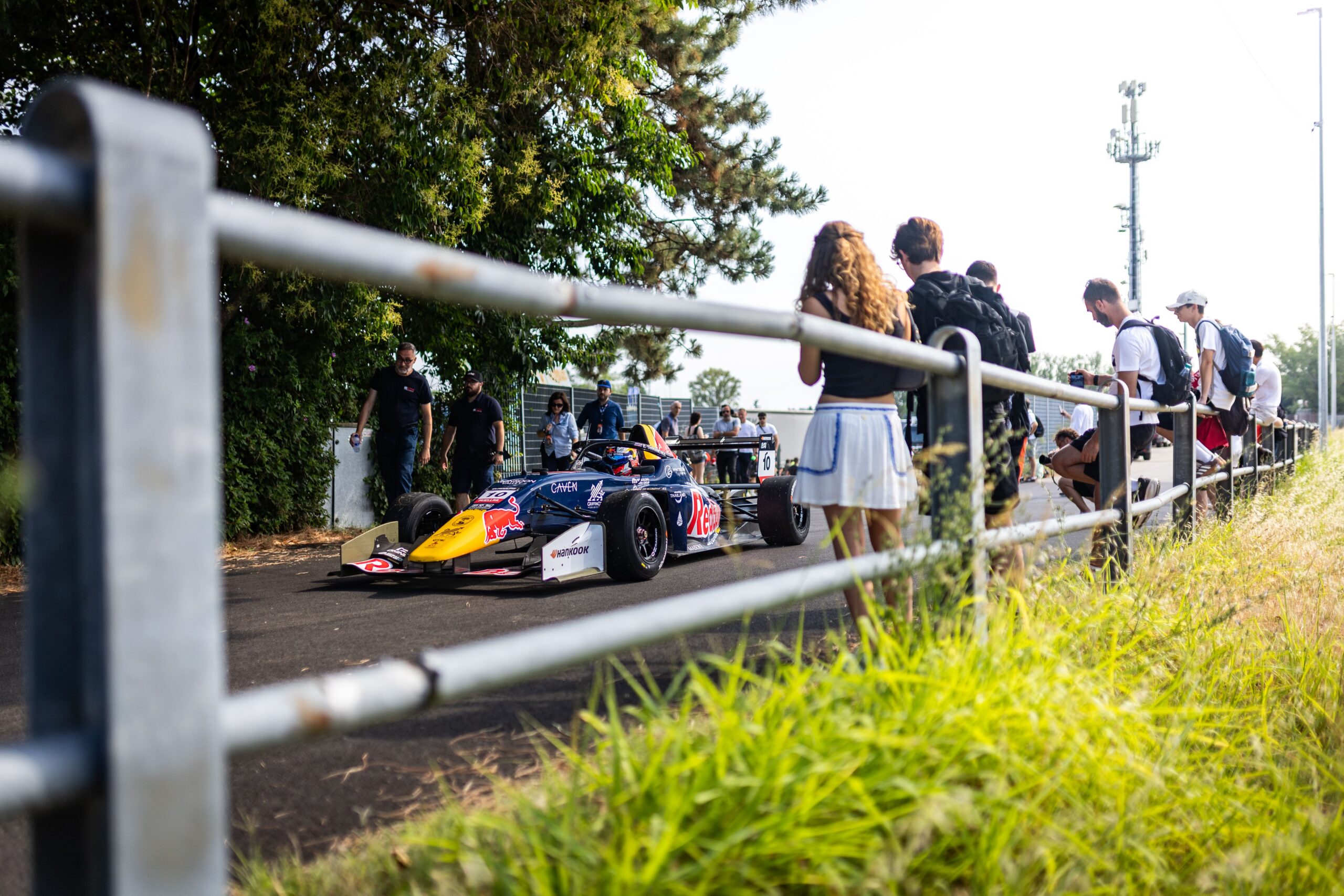
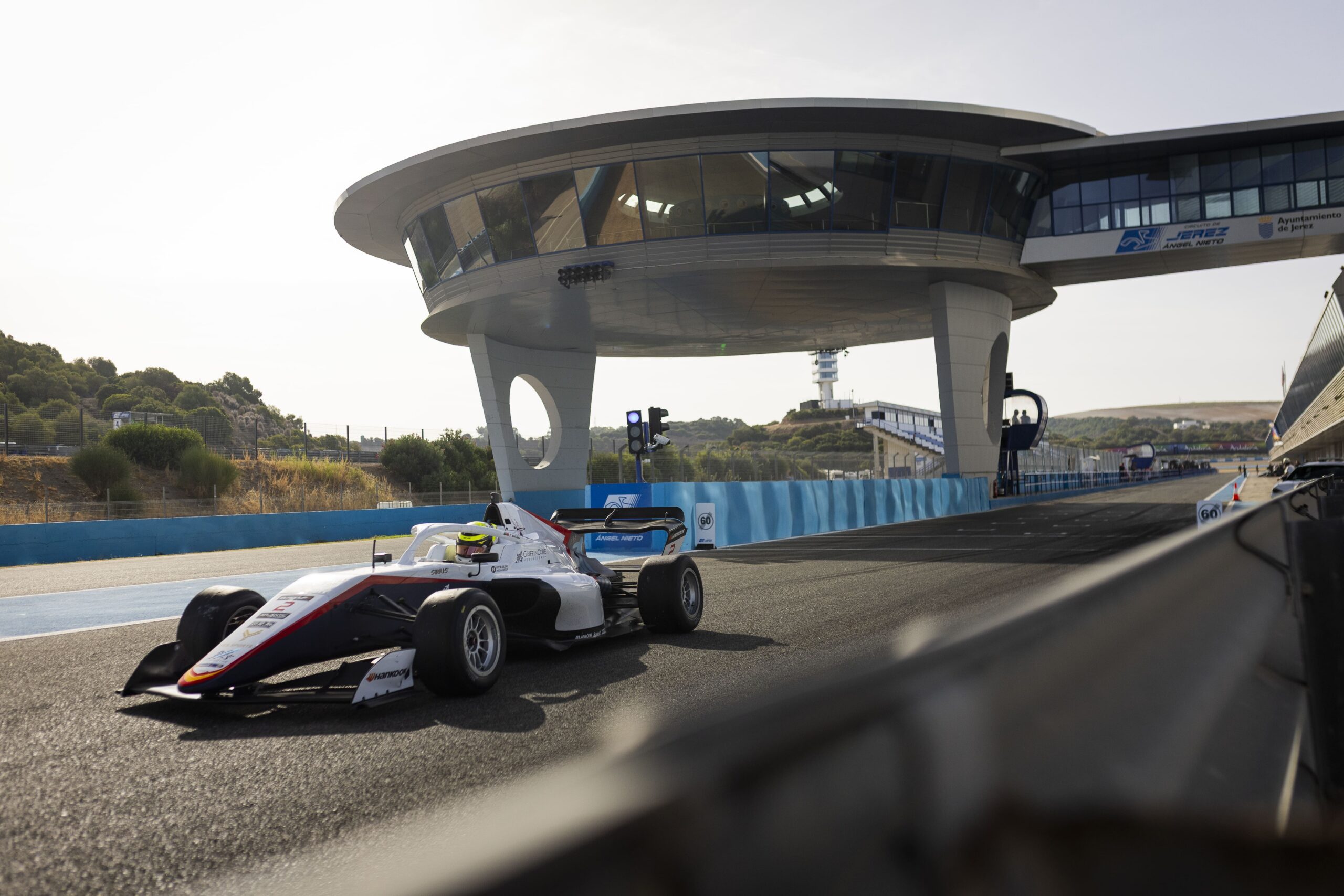
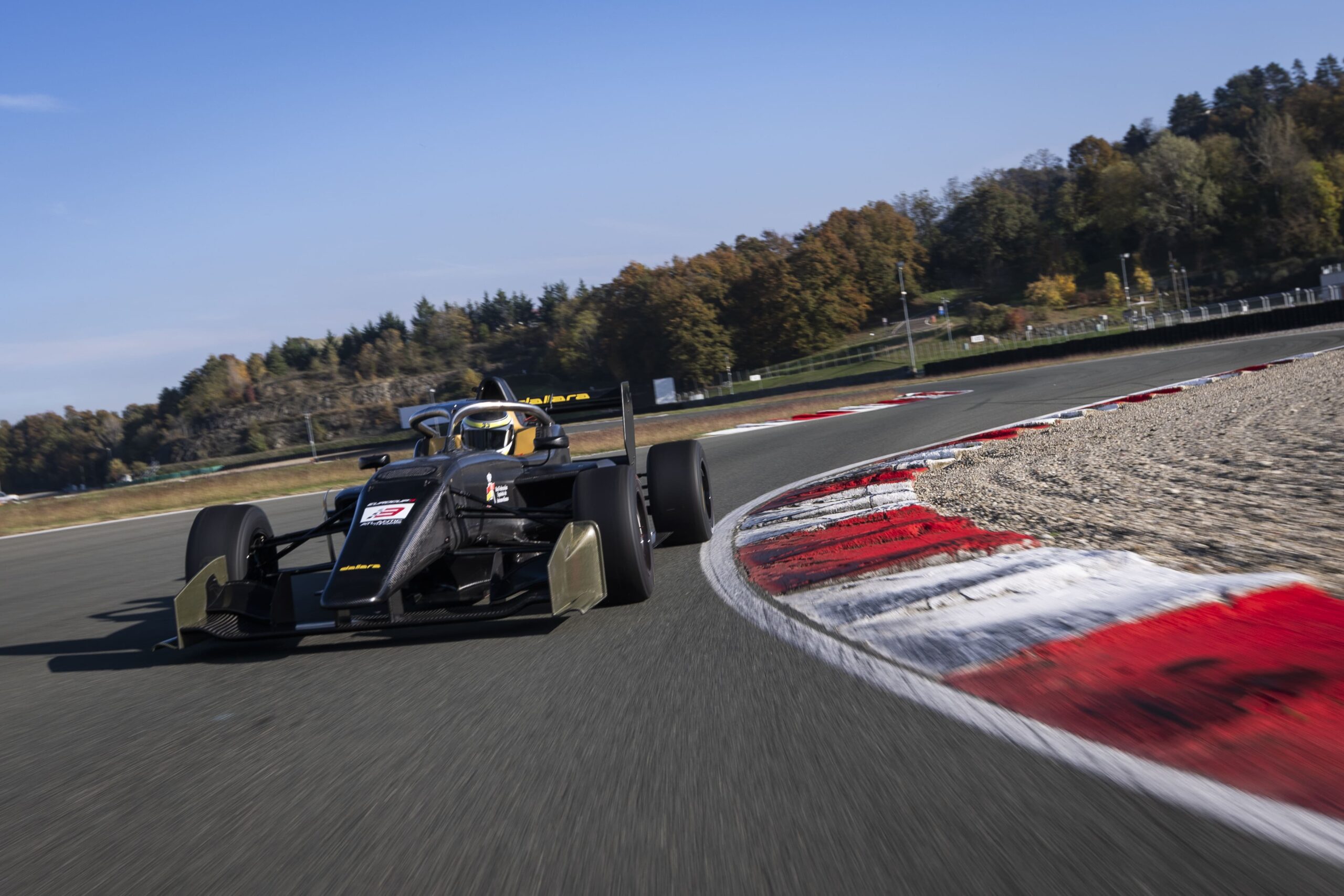
The 2026 season of Eurocup-3 marks a turning point in the single-seater ladder towards Formula 1. Beyond the calendar, teams, or drivers, the real protagonist of this evolution is the Dallara 326 (D326) — a car that doesn’t just improve on its predecessor, but redefines the technical standard of the category.

A generational leap forward  

The Dallara 326 builds on the foundations of the successful Dallara 320, but introduces key upgrades that elevate performance, safety, and overall driving experience.

This is the most significant technical step since the championship’s launch in 2023. The ambition is clear:
to close the gap between junior formulas and top-tier single-seater racing.

Aerodynamics and safety at the core  

One of the main pillars of the D326 is its aerodynamic evolution. The car has been redesigned to deliver greater downforce and efficiency, allowing drivers to better understand high-performance race dynamics.

At the same time, safety remains a top priority, with the integration of advanced FIA standards:

  • Reinforced survival cell
  • Front and rear impact structures (FIS & RIS)
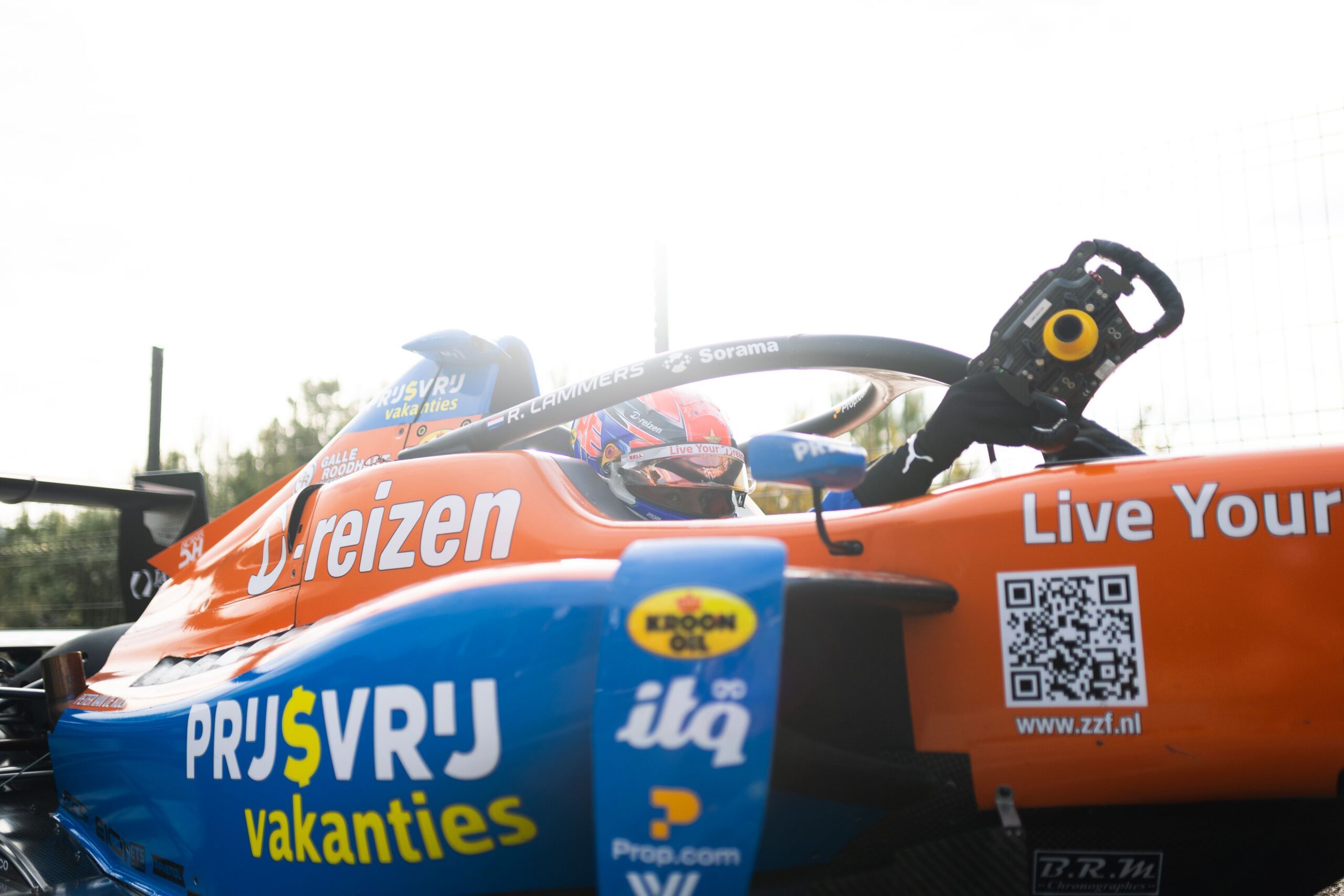
  • Titanium halo
  • Optimised crash structures

This combination ensures that the D326 is not only faster, but also safer and more aligned with modern single-seater requirements.

Powered by Toyota and TOM’S Technology

At the heart of the D326 lies a completely new power unit:

  • Toyota TGE33 – 1.6L turbocharged 3-cylinder engine
  • Developed by TOM’S
  • Maintained centrally by ENGISER 101

This engine has been designed with three core principles:

  • Efficiency
  • Reliability
  • Technology transfer from top-level motorsport programs

The result is a powertrain that not only delivers performance, but also prepares drivers for the complexity of modern racing.

A high-level technical ecosystem  

The Dallara 326 operates within a technical ecosystem that mirrors higher categories:

  • Hewland gearbox
  • ZF Sachs clutch
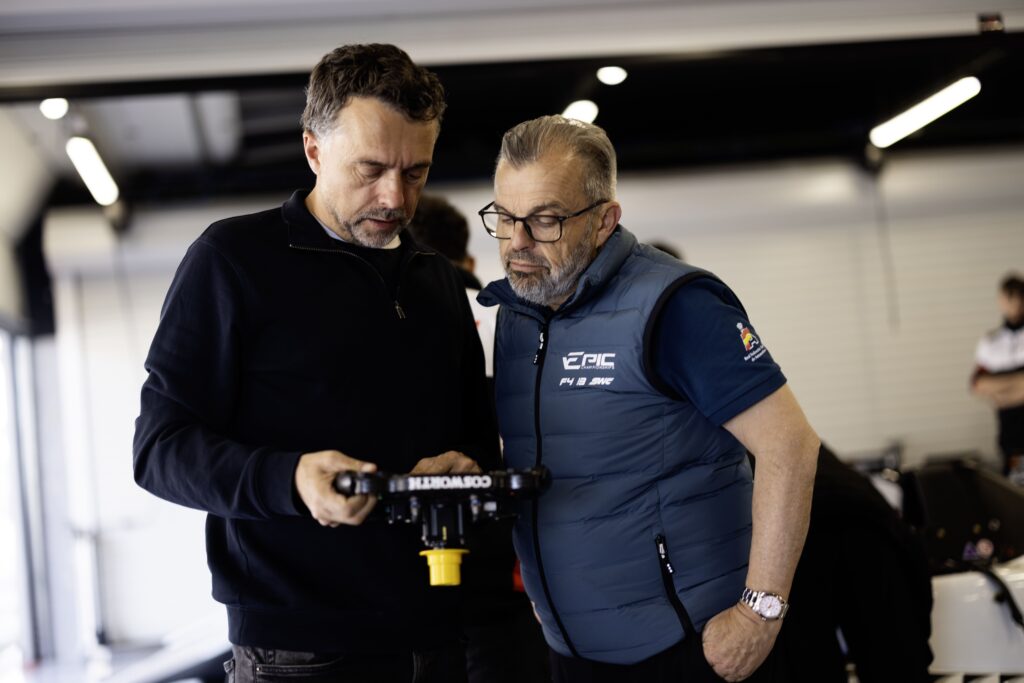
  • Cosworth electronics
  • Hankook tyres
  • PFC Brakes

Additionally, the integration of the Electronic Marshalling System allows drivers to receive real-time race control signals directly in the cockpit — a feature aligned with FIA Formula 3 standards.

More than a car: a development platform  

The D326 is not just a machine — it’s a development tool.

Eurocup-3 positions itself as a high-performance training ground where drivers learn to:

  • Manage tyre degradation
  • Analyse advanced telemetry
  • Understand aerodynamic balance
  • Work closely with engineers and data teams

All of this takes place on world-class circuits such as Monza, Spa, and Silverstone, reinforcing the category’s role as a true stepping stone.

Closer than ever to Formula 3  

With the introduction of the D326, Eurocup-3 significantly narrows the gap to FIA Formula 3 in terms of technology and driving experience.

This evolution strengthens its position as a key intermediate step between Formula 4 and the highest levels of motorsport, offering:

  • Controlled costs
  • High technical standards
  • International exposure

And most importantly, a competitive environment where every detail matters.

Conclusion: the beginning of a new era  

The Dallara 326 represents more than just a technical upgrade — it signals a shift in the philosophy of driver development.

Faster, safer, and closer to the elite, this new generation car transforms Eurocup-3 into one of the most complete development platforms in Europe.It’s not just a new car.
It’s a bridge to the next level.

From F4 to Eurocup-3: How the Cars (and the Competition) Evolve  

For young drivers chasing a professional career in single-seater racing, the step from Formula 4 to Eurocup-3 is one of the most important transitions in their development. It’s not just a move up the ladder — it’s a real evolution in performance, engineering, racecraft and mental approach. In this article, we break down how the cars evolve, how the level of competition intensifies, and why Eurocup-3 represents the perfect bridge between junior formula racing and the international professional stage.

The F4 Starting Point: Learning the Foundations  

Formula 4 is designed as the entry category into single-seater racing. It’s where raw talent begins to take shape.

What defines an F4 car?  

  • Lower aerodynamic load, allowing drivers to focus on mechanical grip
  • Limited setup freedom, keeping the competition close and cost-controlled
  • Standardised machinery, where driver skill makes the biggest difference

At F4 level, drivers learn the essentials:

  • Braking technique and consistency
  • Race starts and wheel-to-wheel fighting
  • Tyre management basics
  • Working with engineers and data

F4 is about education through competition. It builds the technical and mental foundations needed to progress.

Eurocup-3 Cars: More Downforce, More Precision, More Responsibility  

Stepping into Eurocup-3 means entering a different dimension of performance.

How the Eurocup-3 car evolves  

Compared to F4, Eurocup-3 single-seaters offer:

  • Significantly higher aerodynamic downforce
  • More powerful engines
  • Greater setup complexity
  • Advanced data analysis requirements

Every input matters more. Small mistakes are amplified, and precision becomes non-negotiable.

Drivers must adapt quickly to:

  • Higher cornering speeds
  • Later braking zones
  • Increased physical demands
  • More sensitive tyre behaviour

In Eurocup-3, the car rewards accuracy — and exposes any weakness.

From Learning to Executing: The Competitive Jump  

The evolution isn’t only mechanical. The competition itself changes dramatically.

What makes Eurocup-3 competition tougher?  

  • Drivers arrive with multiple seasons of F4 experience
  • Grids are filled with international talent
  • Teams operate at a higher technical level
  • Strategy and consistency play a bigger role across a race weekend

In Eurocup-3, it’s no longer enough to be fast over one lap. Drivers must:

  • Deliver consistent performance across sessions
  • Understand strategy and race management
  • Handle pressure and long-term championship thinking

This is where drivers begin to race not just for positions — but for careers.

Why Eurocup-3 Is the Natural Next Step After F4  

Eurocup-3 is designed as a key development platform in the single-seater ladder. It bridges the gap between entry-level formulas and higher international championships.

It offers:

  • A clear technical progression from F4
  • Highly competitive, international grids
  • Professional team structures
  • Circuits that prepare drivers for the next level

For drivers ready to take responsibility for performance — both on and off track — Eurocup-3 represents the perfect challenge.

From Potential to Performance  

The journey from F4 to Eurocup-3 is where potential is tested and transformed into performance. Faster cars, tougher competition and higher expectations shape drivers into complete racing professionals.

In Eurocup-3, evolution is no longer optional.
It’s the standard. And for those who rise to the challenge, it’s where the future truly begins.

The Anatomy of a Racing Suit: Safety Meets Style  

When drivers line up on the Eurocup-3 grid, every detail matters—down to the very suit they wear. A racing suit is more than just a uniform. It’s a high-tech piece of safety equipment designed to protect drivers, while also reflecting the personality and identity of the team. In motorsport, safety meets style in the purest way.

Fireproof Protection: The Core of Safety  

The foundation of every racing suit is Nomex, a lightweight, fire-resistant fabric. Developed for motorsport and aerospace, it provides drivers with crucial protection against fire and extreme heat. In the event of an accident, the suit buys valuable seconds, allowing drivers to escape safely.

Each suit must comply with the FIA safety standards, which means multiple layers of Nomex are carefully stitched to balance protection with comfort. Breathability and weight reduction are essential, ensuring that drivers can perform at their physical peak even in intense conditions.

Ergonomic Design: Built for Performance  

Beyond fire protection, racing suits are engineered with ergonomics in mind. Pre-curved arms and legs allow for freedom of movement inside the cockpit, while stretch panels around the shoulders, back, and waist provide flexibility during high-G maneuvers.

Moisture-wicking inner linings keep the driver cool, and perforated panels improve ventilation. Comfort is not a luxury—it’s a performance advantage.

Team Identity: A Canvas for Style  

Every Eurocup-3 team uses the racing suit as a statement of identity. Bright colors, logos, and custom designs transform the suit into a moving billboard for sponsors while reinforcing the driver’s personal brand.

From bold stripes that echo speed to national flags proudly displayed on the chest, the suit tells a story before the lights even go out. Fans recognize their favorite drivers at a glance, and sponsors gain visibility at every corner of the circuit.

Innovation in Every Stitch  

Modern racing suits are the result of decades of innovation. Lighter than ever before, they combine safety, comfort, and aerodynamics. Teams now work with leading manufacturers to integrate cutting-edge textiles and tailoring that reduce bulk without compromising protection.

For Eurocup-3 drivers, this evolution means being able to focus entirely on racing—knowing their suit is a reliable ally.

Safety Meets Style in Eurocup-3  

The anatomy of a racing suit perfectly reflects the DNA of Eurocup-3: leadership, competition, and passion. Safety ensures drivers can push limits, design reinforces identity, and style adds the final touch of personality.

In the end, a racing suit is more than clothing. It’s a symbol of motorsport itself—where technology, performance, and emotion come together.

Rookies Take Over: The Phenomenon Shaking Up Eurocup-3 2025  

The 2025 Eurocup-3 season is making one thing very clear: the rookies didn’t come to learn—they came to win. As the championship unfolds, one number says it all: seven of the top ten drivers in the overall standings are rookies. In a category known for blending youth and experience, the newcomers are leading the charge.

A Generation That Refuses to Wait  

This year, the rookies are rewriting the script. They’re not just collecting podiums and poles—they’re leading races, winning wheel-to-wheel battles, and dominating entire weekends with a level of maturity rarely seen from first-year drivers. The clearest example is Ernesto Rivera (Campos Racing), not only the highest-ranked rookie, but the current championship leader. His victories in Portimão and Monza were no fluke—they were the result of strategic precision and remarkable composure. Hot on his heels is another debutant hungry for the title: Mattia Colnaghi (MP Motorsport), who dazzled from the very first race at Red Bull Ring and continues to fight for podiums at every round.

More Than Promises: Proven Performers  

Other names like James Egozi (Palou Motorsport), Maciej Gładysz (KCL by MP Motorsport), Jules Caranta (Campos Racing), Enzo Tarnvanichkul (Campos Racing), and Andrés Cárdenas (MP Motorsport) don’t just round out the top ten—they do so by consistently scoring points, making bold overtakes, and bringing the show to every race weekend. All of them have already reached the podium or come within tenths of a second from doing so. This rookie pressure has raised the bar across the grid. More experienced drivers, far from relaxing, have been forced to respond to a new wave of talent that’s come to shake up the hierarchy—starting from the very first lights out.

A Championship Tighter Than Ever  

The rise of the rookies has brought not only excitement but also unprecedented parity in the title fight. Points margins are razor-thin, results change every weekend, and no one can afford to ease off. The overall standings are more volatile than ever, and any mistake—or flash of brilliance—can alter the course of the championship.

All of this has made each race unpredictable. Pole positions no longer have a clear owner. Neither do victories. And the title fight is wide open… with the rookies leading the way.

Eurocup-3 2025 isn’t just another season. It’s the season of the rookies.
And if they keep this pace, it may also become the season of records, surprises, and the rise of a new generation ready to rewrite the future of motorsport.

We are ready

Sign to our newsletter to keep track of the championship

Suscribe to our newsletter

Suscribe to our newsletter